
- By Shivangi Sharma
- Wed, 31 Dec 2025 08:08 PM (IST)
- Source:JND
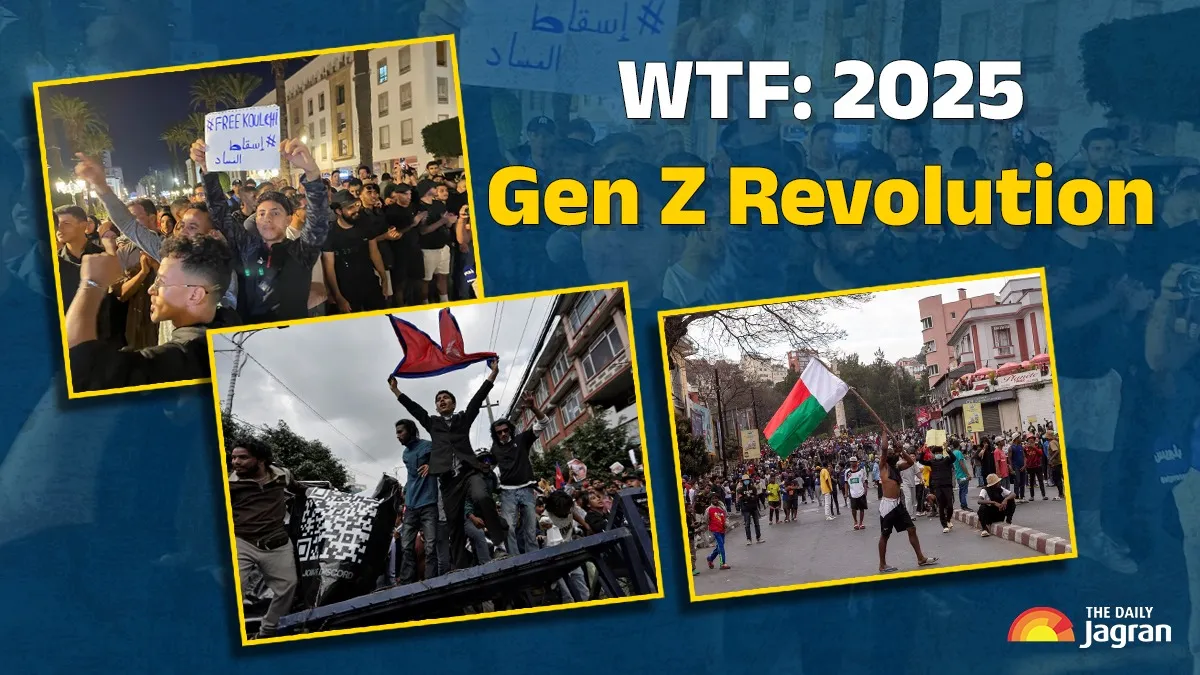
What The Fact: 2025 was the year Gen Z said “enough.” Across the world, young people led protests that shook governments. In Nepal and Madagascar, mass demonstrations toppled regimes, even under heavy police presence. In Nepal, youth anger over governance and leadership sparked major political shifts. Madagascar saw young protesters rally over electricity shortages, the cost of living, and mismanagement.
Other nations also felt Gen Z’s pressure. In Morocco, young people marched against unemployment and inequality. Mexico witnessed youth-coordinated protests demanding better governance and public safety. In Peru, they rallied against political instability and corruption. Paraguay, Mongolia, and the Philippines also saw student-led actions targeting reform and accountability. Even when change wasn’t immediate, Gen Z’s energy was impossible to ignore.
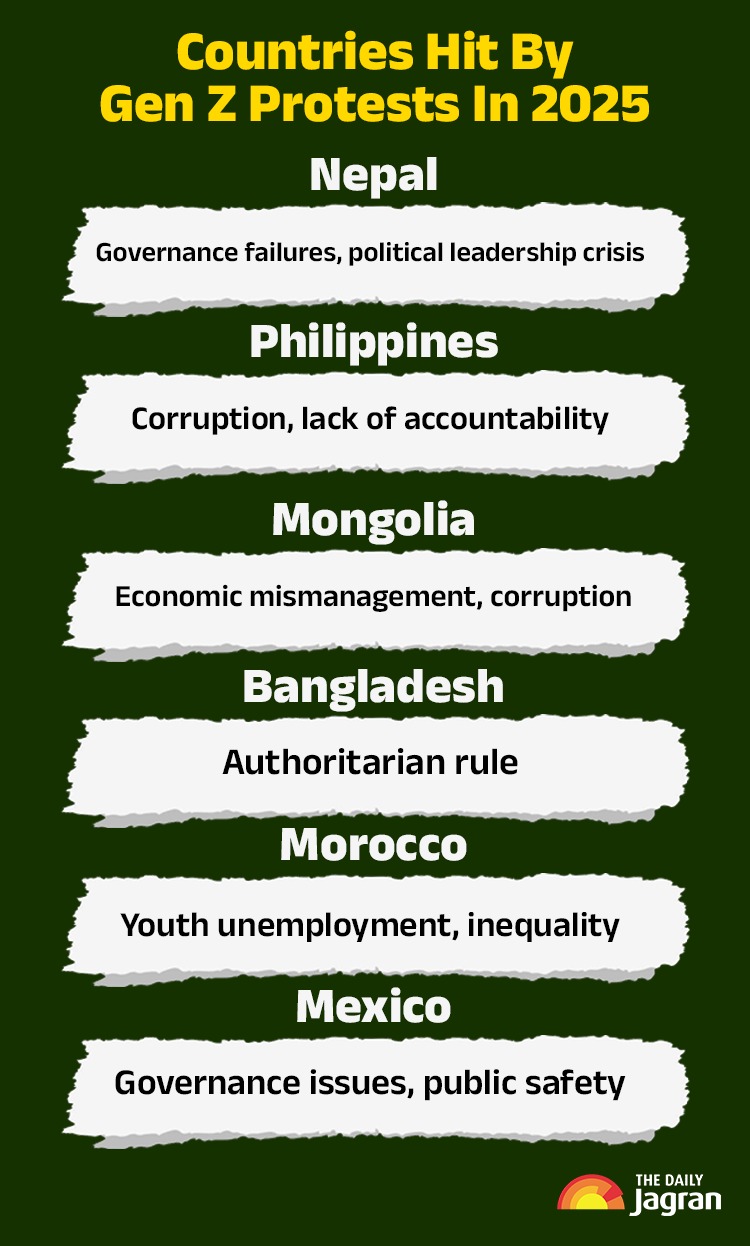
The spark often traces back to Bangladesh in 2024, where youth protests unseated authoritarian leader Sheikh Hasina. That revolution inspired similar movements across Asia and Africa.
A Generation Awake
Gen Z sees the world differently. According to a UNICEF-backed study in 2025, they consume more news than any other content. They are hyper-aware and deeply disillusioned with old systems.
Young activists say they were repeatedly asked to be patient, only to realise that meaningful change was never intended for them. This growing awareness has driven Gen Z to challenge systems they believe are designed to exclude them rather than serve them.
Recommended For You




For many young professionals, the awakening has been deeply personal. Experiences of burnout and unrealistic work expectations have reinforced the sense that traditional structures no longer align with their realities.
ALSO READ: WTF: Gen Z Turns To Dating Apps Instead Of Doctors For Sexual Health Guidance
Social Media Changes The Game
While the issues, inequality, corruption, exclusion, are familiar, Gen Z’s methods are new. Unlike the Arab Spring or Spain’s Indignados, 2025 protests were digital-first. Social media amplified voices, organised marches, and shared live updates in real time.
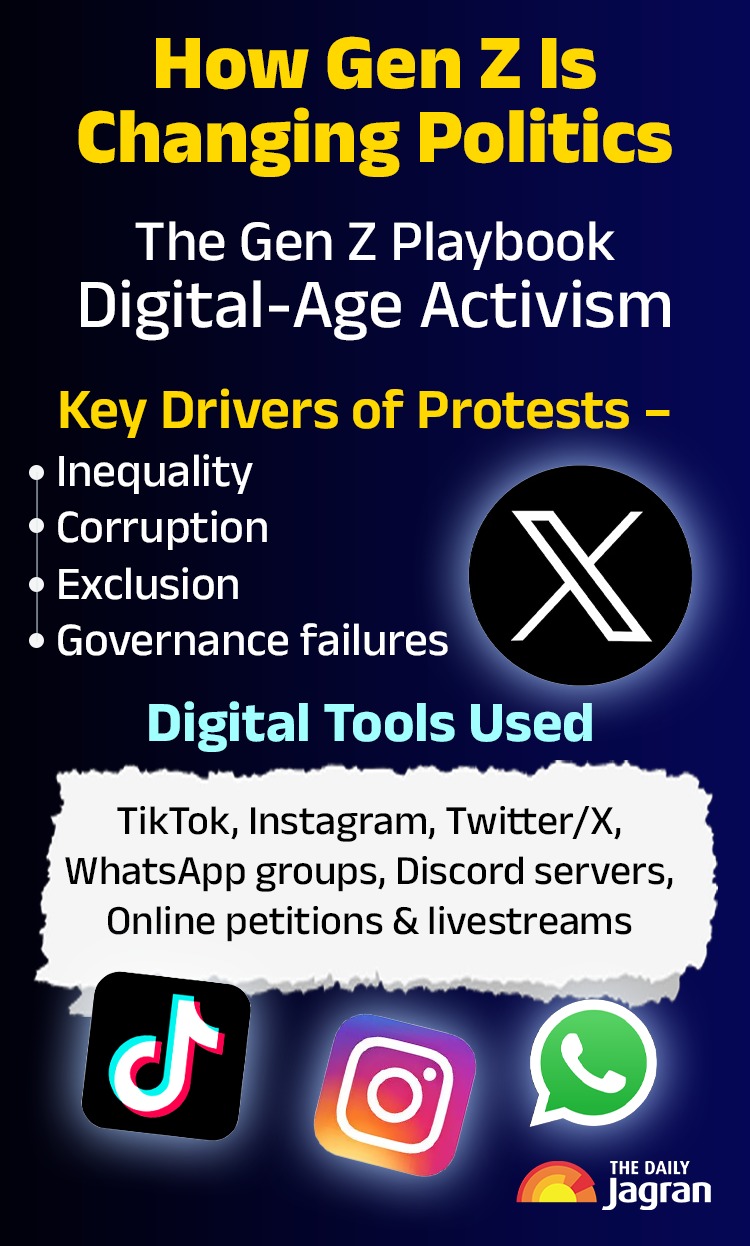
From TikTok videos to WhatsApp groups, Gen Z turned online spaces into political hubs. Their activism blends strategy with creativity, proving that this generation isn’t waiting for change. They are making it happen.
By 2025, Gen Z had firmly stepped into the political arena, no longer willing to wait for change promised by older systems. From Nepal to Latin America, their protests showed a shared frustration with inequality, corruption, and exclusion. Powered by social media and a deep awareness of global events, this generation turned digital spaces into tools of real-world action. Even where outcomes remain uncertain, one message is clear: Gen Z has emerged as a force that governments can no longer ignore.
(NOTE: This article is part of the series 'WTF'. To read more articles in the series, click here)