
- By Ajeet Kumar
- Thu, 25 Dec 2025 12:02 PM (IST)
- Source:JND
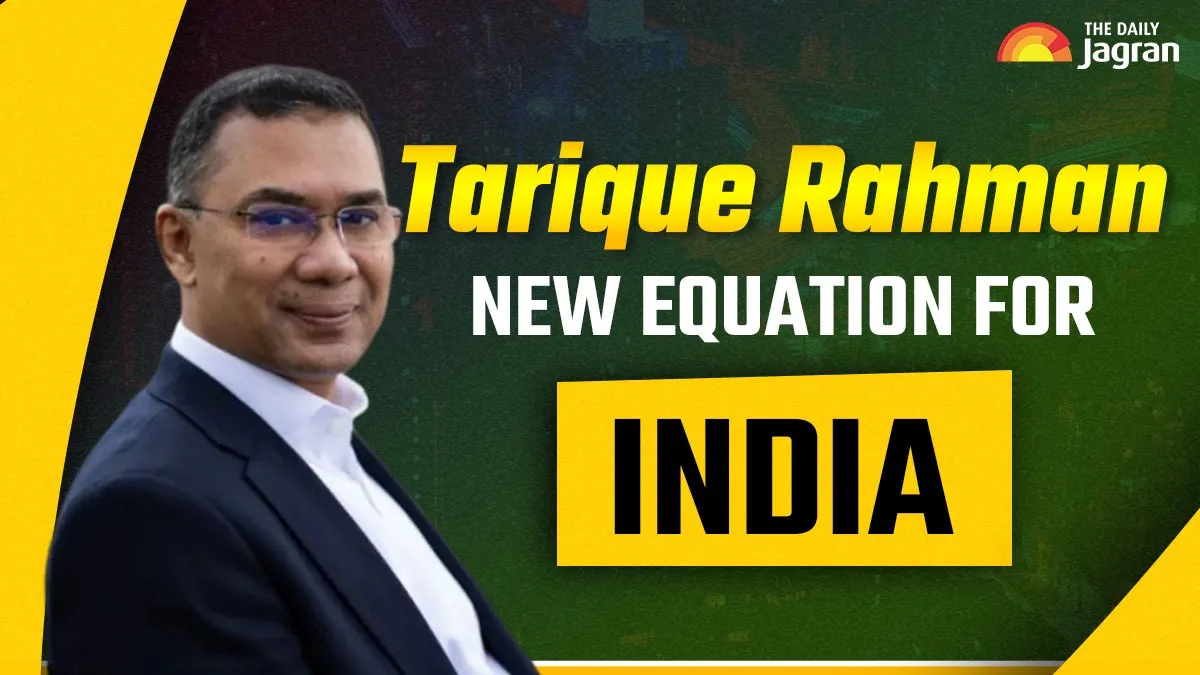
Tarique Rahman Returns: Tarique Rahman, acting chairperson of Bangladesh’s main opposition party, the Bangladesh Nationalist Party (BNP), return to Dhaka after nearly 17 years in exile in London. He is the elder son of former prime minister Khaleda Zia and widely seen as the political heir of the influential Zia family. His return came at a time when the country is witnessing another unrest after the death of radical leader Sharif Osman Hadi.
Rahman’s return comes as the BNP emerged as the forerunner in the changed political landscape after toppling of the then prime minister Sheikh Hasina’s Awami League government in a student-led violent movement dubbed the July Uprising on August 5.
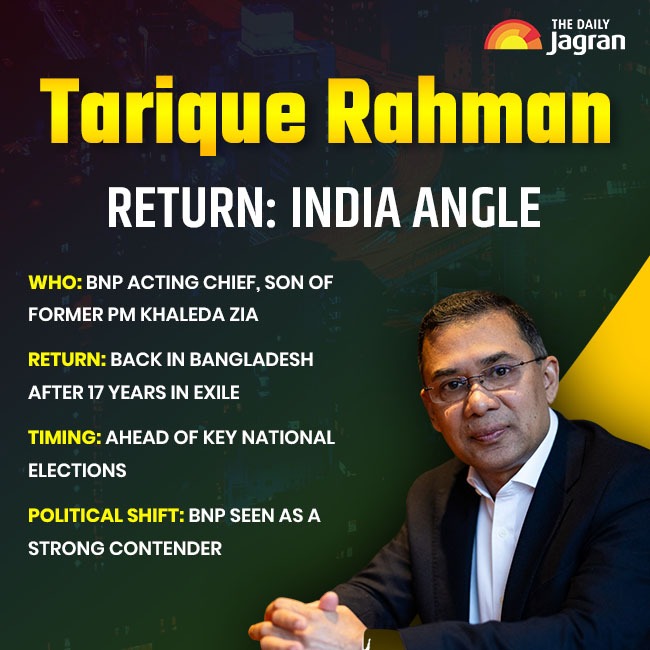
The party's partner during its 2001-2006 tenure in power, Jamaat-e-Islami and its Islamist allies, now appeared as BNP’s main rival as the interim government disbanded Awami League under the country’s tough Anti-Terrorism Act through an executive order.
BNP announced Rahman’s return on December 12, sparking speculations as in a Facebook post on November 29, Rahman said, "like any child," he longs to be near his critically ill mother at her "moment of crisis".
Why does his visit matter for Bangladesh?
His homecoming comes just ahead of general elections scheduled in February, making this a defining moment in Bangladesh’s volatile political landscape. The country has also seen recent unrest, including a fatal bomb explosion in Dhaka and the killing of a cultural leader tied to anti-government protests.
Bangladesh's political environment
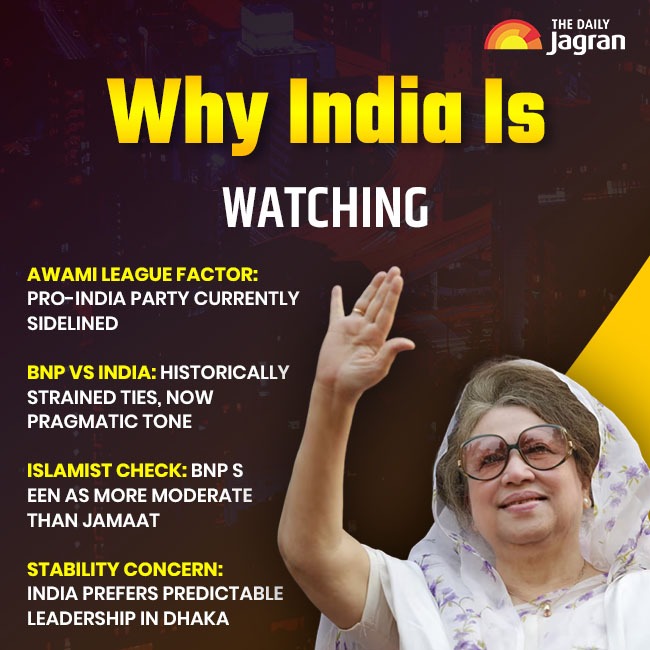
The BNP has emerged as the front-runner in the upcoming polls after the interim government disbanded its rival, the pro-India Awami League, under the Anti-Terrorism Act. Tarique’s return is viewed as a pivotal moment that could reshape political forces ahead of the elections.
Recommended For You




What would be Tarique Rahman's return impact on India?
His return presents a complex challenge or opportunity for India. Historically, ties between India and the BNP have been strained.
Yet with the pro-India Awami League currently banned, New Delhi may see a Rahman-led BNP as a more liberal and predictable partner than other rising forces, especially Islamist rivals like Jamaat-e-Islami.
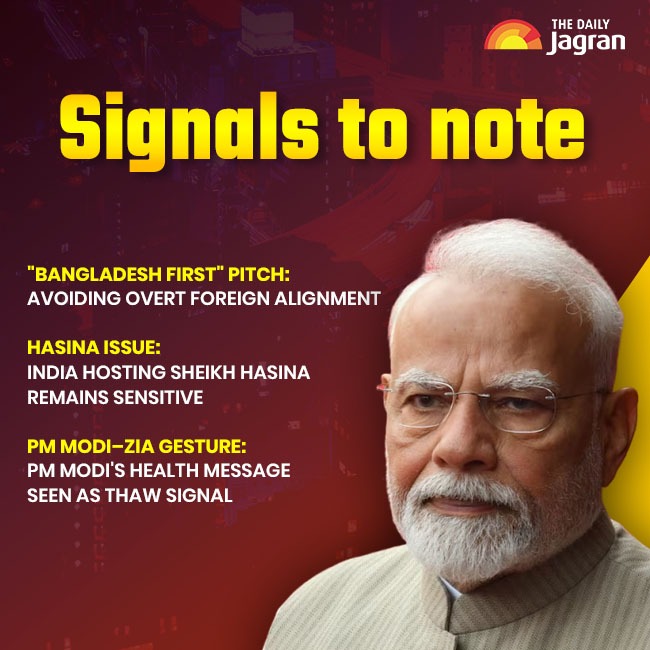
Rahman has publicly supported a “Bangladesh-first” policy (avoiding alignment with any foreign power), which could be more palatable for India compared with policies under the interim government.
A continued diplomatic issue remains
India’s sheltering of Sheikh Hasina, which Rahman still sees as a strain in bilateral relations.
Personal and diplomatic signals
Recently, Prime Minister Narendra Modi offered support for Khaleda Zia during her health crisis, a gesture welcomed by the BNP and seen as a rare sign of warmth between the party and New Delhi.
(With inputs from agency)