New Delhi: In a significant development for India-US trade relations, the United States has proposed an additional tariff of up to 25 per cent on Indian goods under its investigation into alleged excess industrial capacity. The proposed rate could, however, be reduced to 17 per cent if New Delhi reaches a trade agreement with Washington.
According to news agency Reuters, China faces the highest proposed rate of 20 per cent among the countries covered by the latest tariff proposal. Washington has accused Beijing of flooding global markets with cheap exports, including steel, electric vehicles and solar products, an allegation that China has rejected.
17% tariff on Indian goods under proposed trade arrangement
The proposed duties fall under Section 301 of the US Trade Act of 1974, which empowers the US President to impose tariffs in response to what Washington considers unfair trade practices.
Recommended For You
Under the proposal, India's tariff rate could come down from 25 per cent to 17 per cent following a trade agreement with the United States. This would be marginally lower than the 18 per cent rate outlined in the interim trade framework agreed upon by the two countries in February.
The proposed rate could also give Indian exporters a relative advantage over competitors in several other Asian economies, depending on the final tariff structure.
The tariffs are intended to discourage what the Trump administration describes as excessive manufacturing capacity, allegedly driven by government subsidies and other trade barriers that allow foreign producers to undercut American manufacturers.
As of the time of writing, the Ministry of Commerce and Industry had not issued an official response to the latest development.
India-US trade negotiations remain crucial
The proposed tariff structure comes at a crucial stage in India-US trade negotiations. Although the two countries reached an interim trade framework in February, the agreement has yet to be formally signed.
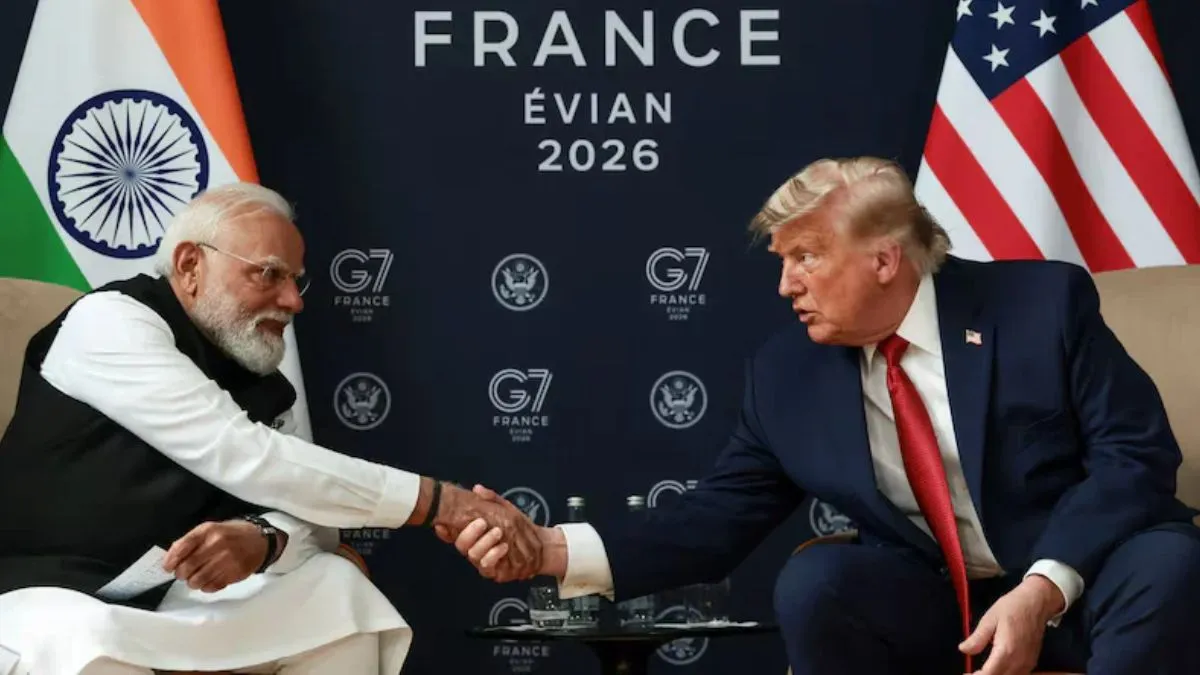
Prime Minister Narendra Modi is expected to meet US President Donald Trump at the G20 leaders' summit in Florida next month. The proposed reduction in tariffs could add significance to the ongoing negotiations, particularly for Indian exporters seeking greater access to the American market.
However, the final impact on Indian exports will depend on the outcome of the negotiations and the US administration's decision on implementing the proposed duties.
New tariffs will not be added to existing duties: US official
In a separate clarification, a senior US official told Axios that the proposed excess-capacity tariffs would not be stacked on top of existing duties targeting forced labour or certain sectors.
This means that the new proposed tariffs would not necessarily result in an additional cumulative duty on Indian goods already subject to other US trade measures.
The Office of the US Trade Representative (USTR) has been examining the trade and industrial policies of 16 economies to determine whether they encourage excess production through subsidies, market restrictions and other measures. Washington argues that such practices create global oversupply, depress prices and disadvantage American industries.
US launches investigations under Section 301
The investigations were initiated in March following the US Supreme Court's decision to strike down the Trump administration's broad-based tariffs imposed under the International Emergency Economic Powers Act (IEEPA).
Following the ruling, the USTR initiated two separate investigations under Section 301 of the Trade Act of 1974.
ALSO READ: Jaishankar Says Bulk Of US-India Trade Deal Issues Resolved As America Hints At Tariff Advantage
One investigation covers 60 jurisdictions, representing around 100 countries, over alleged failures to prevent imports of goods produced using forced labour. The second focuses on 16 economies accused of maintaining policies that contribute to structural excess manufacturing capacity and distort global trade.
The latest tariff proposal is part of Washington's broader effort to address what it considers unfair trade practices and protect domestic manufacturing. For India, the proposed reduction to 17 per cent could make the outcome of the ongoing trade negotiations particularly important.
(With inputs from Reuters and PTI)