- US targets 16 economies over alleged industrial subsidies.
- India, China, Japan, South Korea among affected nations.
- New tariffs could complicate US-India trade talks.
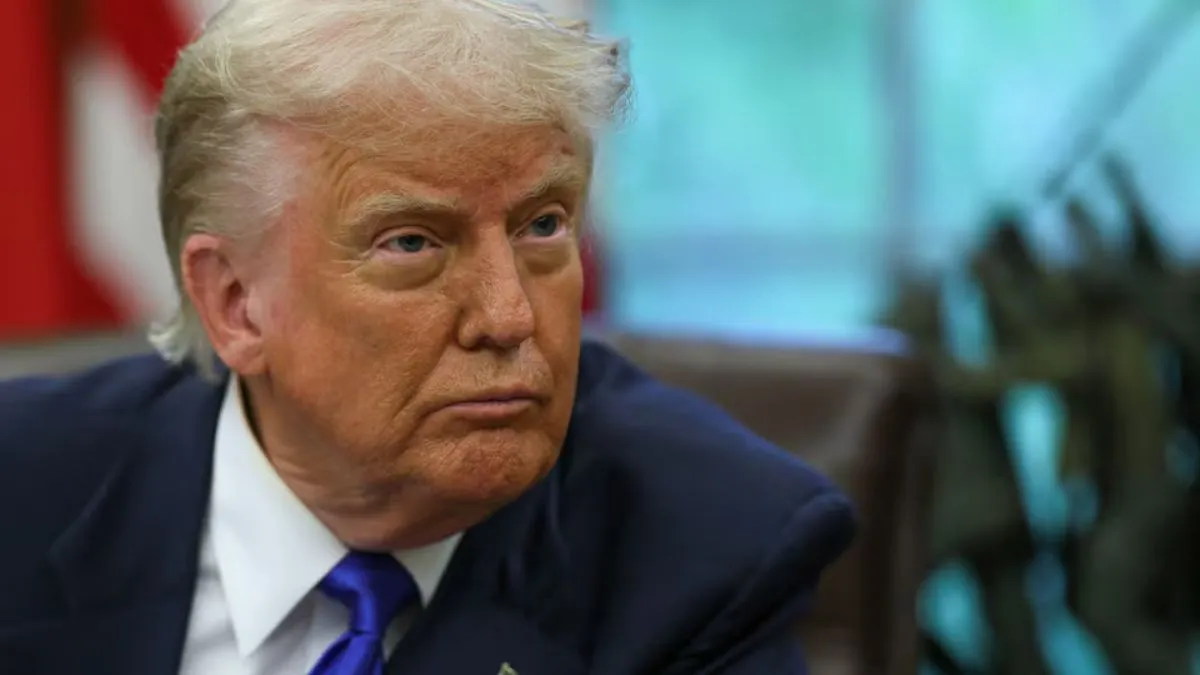
New Delhi: India could face another round of trade pressure from the United States as President Donald Trump's administration prepares to impose fresh tariffs on imports from 16 major economies, including India, China, Japan and South Korea, over alleged industrial subsidies.
According to a report by The Wall Street Journal, the proposed move follows a months-long investigation by the US Trade Representative (USTR) into government support provided to domestic industries in these economies. Washington alleges that subsidies and other financial assistance allow foreign manufacturers to produce goods at artificially low costs, creating unfair competition for American businesses.
US Trade Representative Jamieson Greer is expected to announce the findings of the investigation as early as this week, although the timeline could change. As of now, New Delhi has not reacted to the media reports.
The development could complicate ongoing trade negotiations between New Delhi and Washington, which have been working towards finalising a bilateral trade agreement.
Why Trump Is Targeting India and 15 Other Economies
The US investigation covers China, India, Japan, South Korea, the European Union and 12 other economies. The Trump administration believes that government subsidies, financial incentives and industrial support have encouraged excessive production in foreign markets, allowing manufacturers to sell goods at competitive prices and challenge American companies.
Recommended For You
The proposed tariffs could cover most products exported by the targeted economies. However, steel, aluminium and automobiles may be excluded because these sectors already face separate US duties imposed on national security grounds.
ALSO READ: Jaishankar Says Bulk Of US-India Trade Deal Issues Resolved As America Hints At Tariff Advantage
The final tariff rates have not yet been announced. According to people familiar with the discussions, Japan, South Korea and the European Union could face duties of 15 per cent or less, while India and Vietnam may face comparatively higher rates. China is expected to face particularly high tariffs.
Washington is also considering provisions that would allow it to increase duties further if countries fail to address concerns over industrial overcapacity or do not make policy changes demanded by the US.
India-US Trade Deal Faces Fresh Uncertainty
The proposed tariff action comes at a sensitive time for India-US trade relations. Both countries announced an interim trade framework on February 7, 2026, under which Washington had agreed to reduce reciprocal tariffs on Indian goods from 25 per cent to 18 per cent and withdraw an additional 25 per cent penalty imposed over India's purchases of Russian oil.
However, the agreement encountered uncertainty after the US Supreme Court struck down the earlier reciprocal tariffs in February 2026, forcing Washington to work on a new tariff framework.
Commerce Secretary Rajesh Agrawal said on November 18 that negotiations on the bilateral trade agreement were largely complete, but its formal signing would take time until the new US tariff structure became clear.
He also pointed to ongoing investigations under Section 301 of the Trade Act of 1974, which allows Washington to investigate foreign trade practices it considers unfair and impose retaliatory duties.
The fresh investigation into industrial subsidies could therefore become another hurdle for India as it seeks certainty over its export access to the American market.
(With inputs from agency)
You may also like to watch