
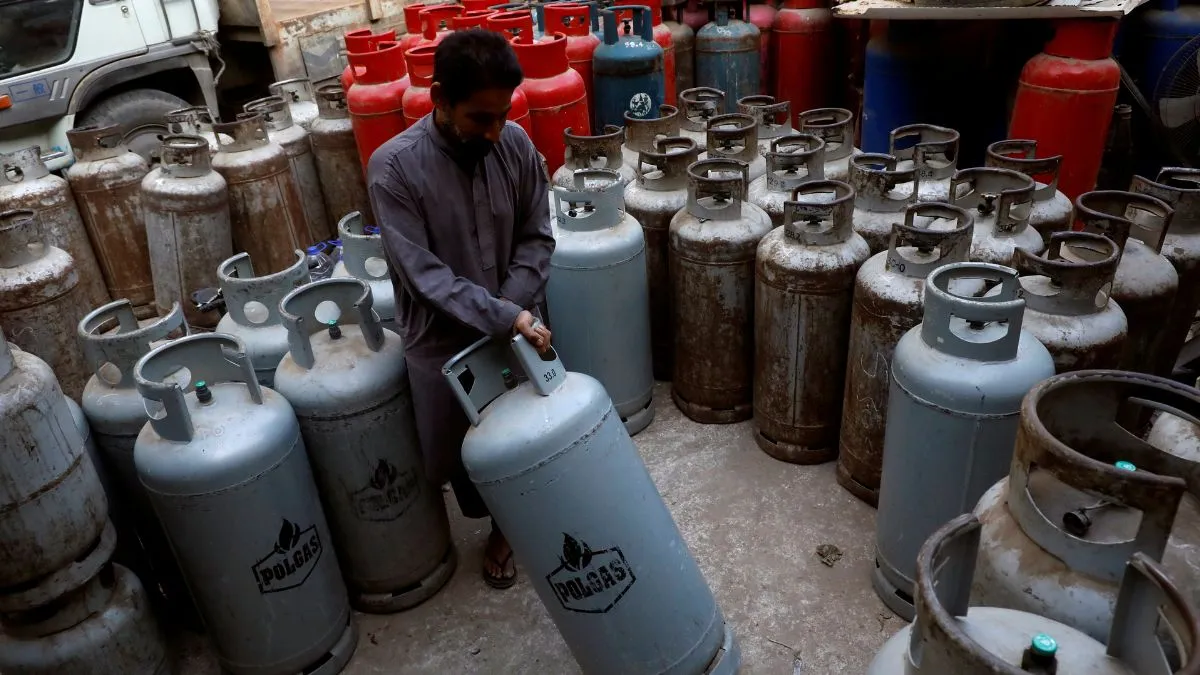
- Pakistan faces LPG shortage after Iran border closure.
- Gas cylinder prices soar reaching up to PKR 8,200.
- Pakistan opposition leader questions worsening energy crisis.
Pakistan LPG Shortage: Pakistan is grappling with another crisis as a shortage of liquefied petroleum gas (LPG) has pushed prices of gas cylinders higher across the country. The shortage has arisen after supplies from Iran stopped following the closure of two major border crossings on October 17. The problem which comes amid ongoing power crisis and rising economic pressure has further added to the burden on consumers in Pakistan.
LPG Supplies Halted After Border Closure
According to Reuters, the Gabd-Rimdan and Taftan crossings between Pakistan and Iran were closed on October 17, which has since then disrupted the movement of goods between the two countries. Pakistan’s Balochistan provincial government stated that the temporary closure was aimed at addressing security concerns and stopping smuggling. However, Iran has cited technical problems behind the closure.
The closure of the border has largely affected LPG supplies. A report by Reuters cited Shamsul Haq, former president of the Gwadar Chamber of Commerce and Industry, who stated that more than 4,000 tonnes of LPG usually enter through the Gabd-Rimdan crossing alone. The situation is also concerning as Pakistan receives around 7,000 metric tonnes of LPG from Iran every day, as noted by the Pakistan LPG Association.
Recommended For You
Over 4,000 tonnes of LPG entered #Pakistan daily through Gabd-Rimdan. Now the crossing is shut, trucks are stranded and shortages loom. Pakistan’s policymakers have disrupted trade and energy supplies without even publicly explaining the decision.
— Brian Mitchel (@chrmitxc) October 20, 2026
Cylinder Prices Surge
The supply disruption has further led to a sharp rise in LPG prices in several parts of Pakistan. A 12-kg cylinder that previously cost around PKR 4,500 is now selling for about PKR 7,000 in Balochistan. Pakistan LPG Association Chairman Irfan Khokhar also noted that the prices had reached around PKR 7,500 in Lahore and PKR 8,200 in Skardu.
While Pakistan’s Oil and Gas Regulatory Authority (OGRA) has set the price of an 11.8-kg domestic LPG cylinder at PKR 3,296, market prices are recorded much higher than the official rate. According to Petroleum Minister Ali Pervaiz Malik, Pakistan requires around 6,500 to 7,000 tonnes of LPG every day, most of which is met through import.
Pakistan imports around 70 per cent of its LPG requirements from abroad, with supplies mainly coming from Iran, Iraq and Oman. Additionally, truck drivers have reported waiting for days at the border with limited access to basic facilities. Reuters reported that more than 1,000 Pakistani containers carrying potatoes, bananas and rice for Iran were reportedly stranded.
Opposition Leader Raises Concerns
Allama Raja Nasir Abbas, leader of the opposition in the Senate, said the LPG shortage was part of Pakistan’s wider economic and energy problems. “Pakistan is facing a shortage of flour. Similarly, there is a significant disparity between the government-mandated price of LPG and the actual market price, which is much higher. A large portion of our LPG supply used to arrive via Iran; however, with the border with Iran now closed, we are experiencing a shortage-as is the case with LNG. Despite the arrival of winter, electricity load-shedding has not decreased; in fact, it has intensified, particularly in Khyber Pakhtunkhwa (KP),” he wrote on X.
Pakistan is facing a shortage of flour. Similarly, there is a significant disparity between the government-mandated price of LPG and the actual market price, which is much higher. A large portion of our LPG supply used to arrive via Iran; however, with the border with Iran now closed, we are experiencing a shortage—as is the case with LNG. Despite the arrival of winter, electricity load-shedding has not decreased; in fact, it has intensified, particularly in Khyber Pakhtunkhwa (KP). The overall energy situation is a matter of critical importance. Should the prices of petrol and diesel rise—God forbid—it would have an immediate impact on transportation costs, further fueling inflation. Pakistan is already mired deep in the quagmire of inflation. Yet, our rulers, instead of addressing the real issues, are preoccupied with "conquering" and subjugating the provinces—as if the rest of Pakistan were suddenly overflowing with prosperity and progress! It is a tradition of this Senate—please allow me to speak; I would appreciate it. We do not want this to resemble a stage show; rather, it should truly reflect that we are an Upper House where the concerns of the public are being deliberated. Vice Chairman, Tehreek-e-Tahaffuz-e-Aeen-e-Pakistan ; Leader of the Opposition in the Senate, Senator Allama Raja Nasir Abbas.
— Tehreek-e-Tahafuz-e-Ayin-e-Pakistan (@TTAP_OFFICIAL) October 23, 2026
Meanwhile, reports suggest that Pakistan’s Army Chief Field Marshal Asim Munir has discussed border issues with Iranian leaders during a visit to Tehran this week. Iran’s foreign ministry also informed that discussions on restarting trade are underway.
You May Also Like To Watch: