
- By Alex David
- Sat, 14 Mar 2026 04:22 PM (IST)
- Source:JND
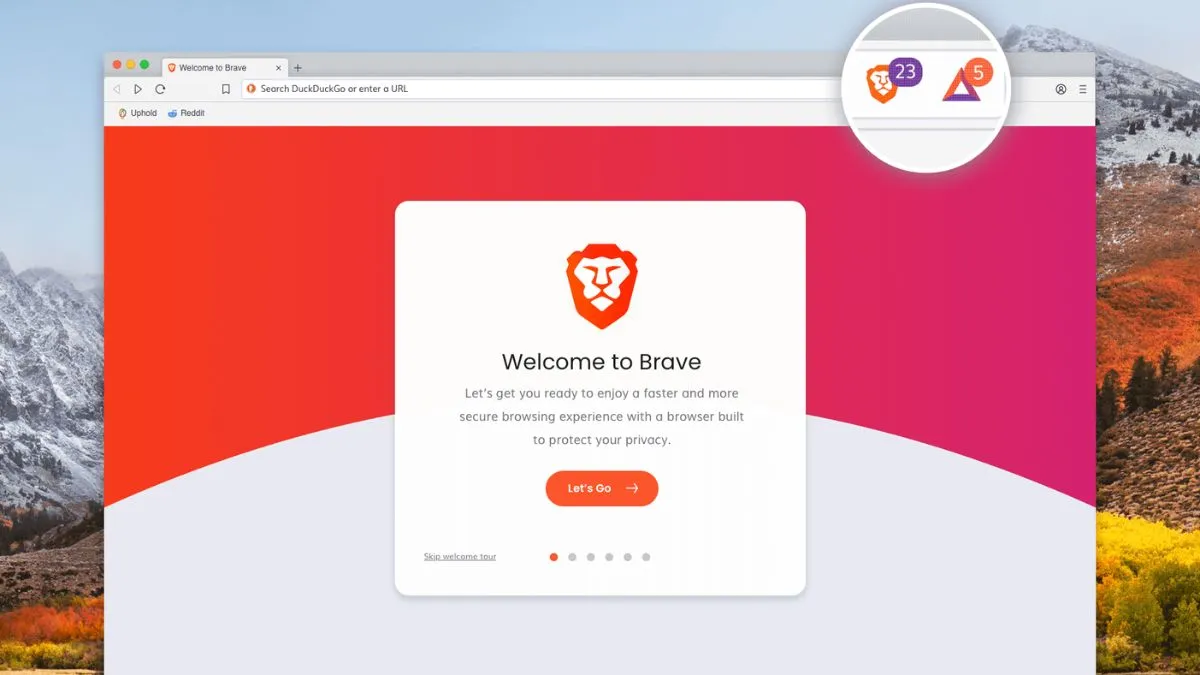
Brave has made its mark on being a fast, privacy-focused browser intent on taking on Google’s advertising and tracking ecosystem. It blocks trackers and ads by default, promising a cleaner, safer browsing experience. But the story of Brave is more complicated than its marketing would make it seem. Though it provides solid privacy protections and performance advantages, various scandals and technical blunders have left some wondering whether the browser really is as virtuous as its marketing suggests.
The Vision Behind Brave
You were found by Brendan Eich after his controversial exit from Mozilla. His plan was to upend the ad-tracking model that has become dominant on the web, including what fuels Google’s advertising empire.
It also blocks third-party cookies, invasive ads, and trackers by default. Brave had a different idea; they launched their own optional ad platform that rewards users in cryptocurrency for viewing advertisements, called the Basic Attention Token (BAT), instead of the alternative. Users can hold onto these tokens or tip them to online creators.
ALSO READ: Jio's Mid-Term Recharge Plan: Get 1.5 GB Data, 56 Days' Validity And More; Check Price And Details
Key features of Brave include:
- Built on Chromium for compatibility with Chrome extensions
- Default blocking of trackers and third-party cookies
- Optional privacy-friendly ad system using BAT
- Faster performance and lower resource usage than Chrome
Brave’s Business Model and Publisher Backlash
Brave’s approach quickly sparked controversy among publishers. Because the browser blocks ads placed by websites, it can potentially replace them with Brave’s own ads.
Issue | Publisher Concern |
Ad blocking by default | Loss of traditional ad revenue |
BAT tipping system | Limited income for creators |
Brave ad replacement | Accusations of interfering with publisher business models |
Major media outlets such as The New York Times and The Guardian were part of the broader discussion around this model. Many publishers argued that Brave was effectively inserting itself into their revenue streams without permission.
Scandals and Trust Controversies
However, the browser has been involved in quite a few major controversies over the years despite being promoted as privacy-first.
Recommended For You





The company gathered user donations through creators like Tom Scott in 2018 without their consent. If those donations were unclaimed, Brave retained the money.
The other came in 2020, when Brave automatically added affiliate and referral codes to crypto-related links and search suggestions. This created undisclosed commissions and led to criticism for being at odds with the browser’s transparency claims.
ALSO READ: What Is 'Ask Maps'? Google’s New Addition To Its Navigation App
A more serious technical issue emerged between 2020 and 2021. Brave’s “Private window with Tor” included a bug: onion addresses leaked via DNS requests. This would have exposed the activity of anyone using the browser, which would include journalists or activists who depend on Tor for its anonymity features, and the problem went unresolved for months before it was fixed.
Growth and Privacy Performance
Despite these controversies, Brave has continued to grow rapidly.
By September 2025, the browser surpassed 100 million monthly active users, with its largest growth surge occurring in May 2024.
Brave has also expanded its ecosystem with several integrated tools:
- Brave Search
- Built-in crypto wallet
- VPN and firewall services
- AI assistant called Leo
In independent research from Trinity College Dublin, Brave was the only tested browser that sent zero identifying data back to servers. Also, according to a testing tool by the Electronic Frontier Foundation, Brave was the only browser fully effective against techniques used in fingerprinting.
Final Thoughts
From my perspective, Brave represents one of the most serious alternatives to Google’s browser dominance. It offers faster performance, strong privacy protections, and lower RAM usage, especially on ad-heavy websites. At the same time, its history of ethical controversies and technical mistakes shows that even privacy-focused platforms are not immune to missteps. Despite these issues, Brave’s rise has pressured the broader industry to rethink online tracking, pushing companies like Google toward more privacy-orientated systems such as the Privacy Sandbox.