
- By Dr Sadhana Kala
- Fri, 13 Mar 2026 01:06 PM (IST)
- Source:JND
Every year, World Kidney Day serves as a global reminder that two small, bean-shaped organs quietly perform some of the most important functions in the human body. Observed on the second Thursday of March, this international awareness day encourages people to learn about kidney health, kidney disease prevention, and the importance of early diagnosis.
Despite their critical role, kidneys rarely receive attention until something goes wrong. In India and across the world, chronic kidney disease (CKD) has become a growing public health concern, often developing silently without obvious symptoms until it reaches an advanced stage. World Kidney Day provides an opportunity for individuals, families, healthcare professionals, and policymakers to focus on prevention, early detection, and better access to treatment.
Why Kidneys Matter
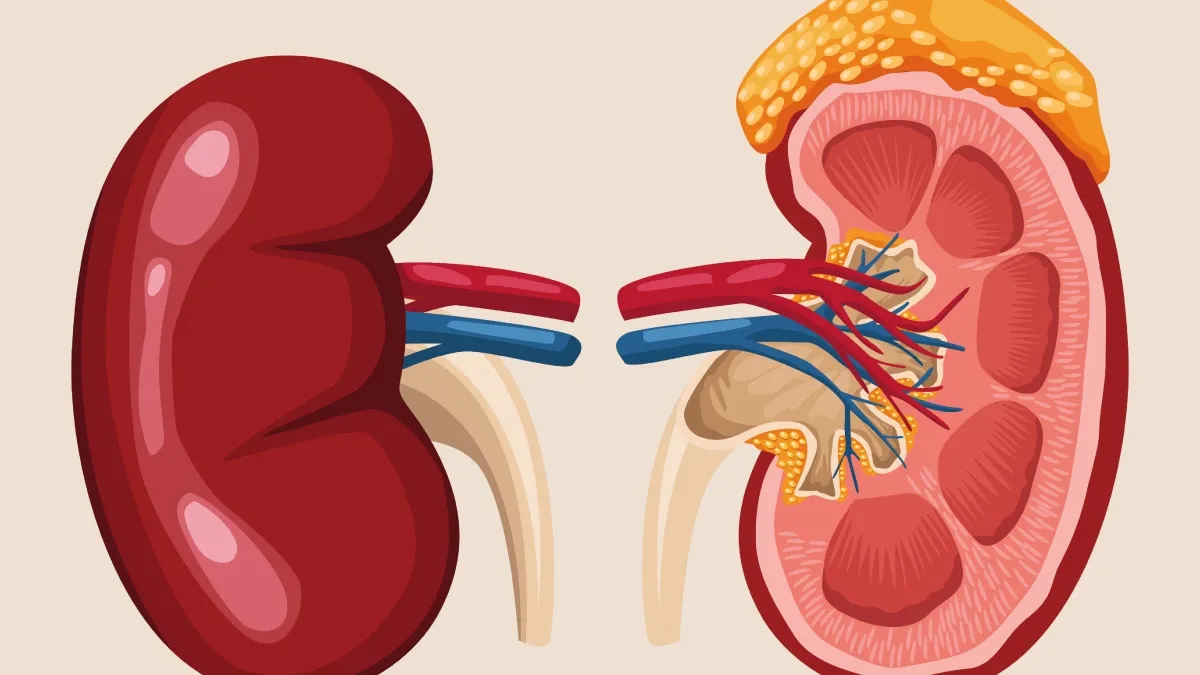
The kidneys are vital organs that work continuously to keep the body balanced and healthy. Located on either side of the spine, just below the rib cage, each kidney is about the size of a fist. Together, they perform several life-sustaining functions.
Recommended For You





First and foremost, kidneys filter waste products and excess fluids from the blood, producing urine that carries toxins out of the body. Without this filtration process, harmful substances would accumulate in the bloodstream.
But the kidneys do far more than produce urine. They regulate blood pressure, maintain electrolyte balance, help control red blood cell production, and activate vitamin D, which is essential for strong bones. In essence, healthy kidneys ensure that many other bodily systems function smoothly.
When kidneys begin to lose their ability to perform these tasks, the consequences can affect nearly every part of the body.
The Rising Burden of Kidney Disease
Chronic kidney disease is often called a “silent killer” because it can progress for years without noticeable symptoms. By the time warning signs appear—such as swelling in the feet, fatigue, nausea, or changes in urination—kidney damage may already be severe.
Globally, it is estimated that hundreds of millions of people live with kidney disease, many of whom are unaware of their condition. In India, the burden is increasing rapidly due to lifestyle changes, urbanisation, and the growing prevalence of non-communicable diseases.
Two of the biggest risk factors for kidney disease are diabetes and high blood pressure, both of which are rising at alarming rates in the country. These conditions can gradually damage the kidneys' delicate filtering units, leading to long-term impairment.
Other risk factors include obesity, smoking, family history of kidney disease, frequent use of painkillers, and aging.
Why Early Detection Is Crucial
One of the most powerful messages of World Kidney Day is the importance of early screening.
Simple tests can detect kidney problems long before symptoms appear. A blood test measuring creatinine levels can estimate how well the kidneys are filtering waste, while a urine test can identify abnormal protein levels that signal kidney damage.
For people with diabetes, hypertension, or a family history of kidney disease, regular screening is especially important. Early detection allows doctors to recommend lifestyle changes and medications that can slow or even prevent further damage.
Often, managing underlying conditions—such as controlling blood sugar or lowering blood pressure—can significantly reduce the risk of kidney failure.
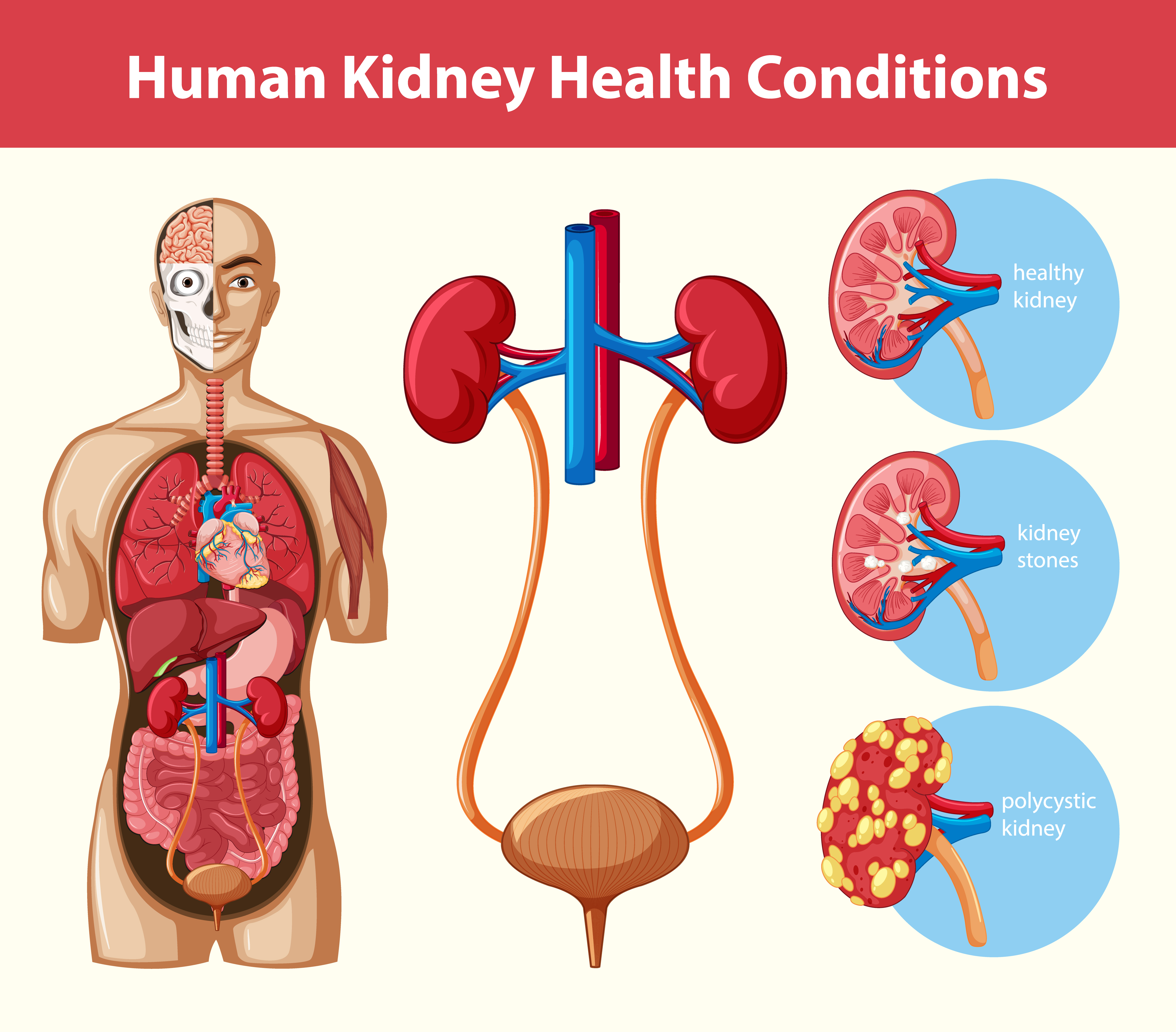
The kidneys are vital organs that work continuously to keep the body balanced and healthy. (Image:Freepik)
Prevention Starts with Everyday Habits
While not all kidney diseases can be prevented, many cases are linked to lifestyle factors that individuals can influence.
One of the most important steps is maintaining good hydration. Drinking adequate water helps the kidneys flush out toxins and reduces the risk of kidney stones.
A balanced diet also plays a key role. Reducing excessive salt intake can help control blood pressure, while limiting processed foods and sugary drinks supports overall metabolic health. Diets rich in fruits, vegetables, whole grains, and lean proteins are generally beneficial for kidney health.
Regular physical activity helps maintain a healthy weight, improves cardiovascular health, and lowers the risk of diabetes and hypertension.
Equally important is avoiding the unnecessary use of over-the-counter painkillers, particularly non-steroidal anti-inflammatory drugs (NSAIDs), which can damage the kidneys when used frequently or in high doses.
Smoking cessation is another major step toward protecting kidney function.
The Challenges of Treatment
For individuals whose kidney disease progresses to advanced stages, treatment becomes more complex and demanding.
When the kidneys lose most of their function, patients may require dialysis—a medical procedure that artificially filters waste from the blood. Dialysis can be life-saving, but it also requires regular hospital visits and can significantly impact quality of life.
Another option is kidney transplantation, which offers better long-term outcomes for many patients. However, access to transplantation remains limited due to the shortage of donor organs, financial barriers, and logistical challenges.
In India, disparities in healthcare access mean that many patients are diagnosed late and struggle to receive timely treatment. Increasing awareness, improving screening programs, and strengthening healthcare infrastructure are essential steps toward addressing this gap.
A Collective Responsibility
World Kidney Day is not only about individual health; it is also about collective action. Governments, healthcare institutions, and communities all play a role in tackling kidney disease.
Public health campaigns can encourage early testing and healthier lifestyles. Medical systems can expand access to affordable screening and treatment services. Researchers can work toward new therapies and technologies that improve patient outcomes, such as developing innovative treatments for kidney disease and enhancing diagnostic tools to facilitate early detection.
Educational initiatives in schools and workplaces can also help people understand the importance of kidney health long before problems arise.
The Power of Awareness
The most important lesson of World Kidney Day is that awareness saves lives.
Many kidney diseases progress quietly, but they are often preventable or manageable when detected early. By learning about risk factors, adopting healthier habits, and encouraging regular health check-ups, individuals can significantly reduce their chances of developing serious kidney problems.
The theme of World Kidney Day often emphasises a simple but powerful idea: healthy kidneys for everyone, everywhere.
Achieving this vision requires awareness, education, and access to care. People must also acknowledge the close connection between kidney health and overall well-being.
Looking Ahead
As the world continues to face rising rates of lifestyle-related diseases, protecting kidney health will remain an urgent priority. The growing burden of diabetes, hypertension, and obesity means that kidney disease could become even more common in the coming decades.
But this future is not inevitable.
Better awareness, early detection, and proactive healthcare policies can effectively prevent or manage millions of cases of kidney disease. World Kidney Day serves as a reminder that small actions—such as regular health screenings, healthier diets, and active lifestyles—can make a profound difference.
Our kidneys work tirelessly every day, filtering nearly 50 gallons of blood to keep our bodies functioning smoothly. Taking a moment to care for them is not just wise—it is essential for a healthier future.
(Note: Dr (Prof) Sadhana Kala is a USA-trained robotic & laparoscopic surgeon, Uppsala University, Sweden, trained fertility specialist, Icon Endoscopic Surgeon of North India, and National Icon Endoscopic Surgeon of India. She is rated as India's Best Gynecologist by Google.)
(Disclaimer: The views expressed in this article are the personal opinions of the author.)