
- By Ridam Sharma
- Sat, 02 May 2026 02:00 PM (IST)
- Source:JND
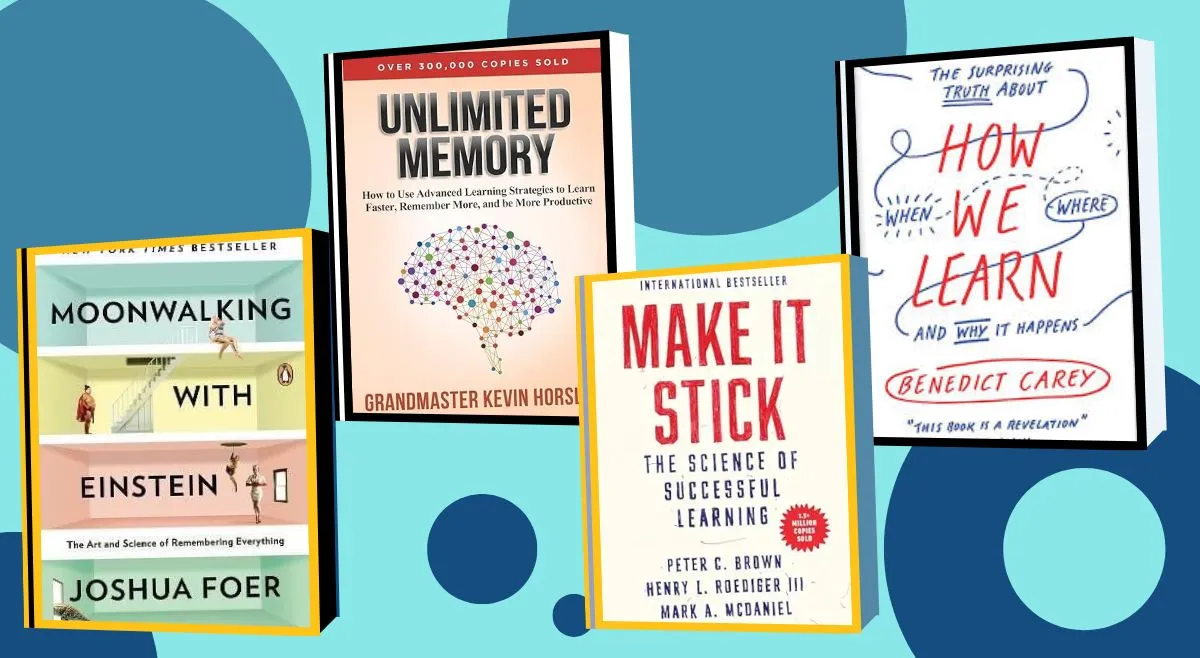
Memory Techniques Books: In today’s digital world, where information is overloaded across the internet, keeping up with it seems impossible. From work, studies, to world affairs, facts get faded, and you realise the importance of good memory. Therefore, to boost your memory in a world where it is regarded as a superpower, here is a list of 4 books that give scientific and proven memory techniques that you can use in your daily life.
Each of these memory boosting books is apt for people of all ages, students, professionals, and anyone who wants to learn new things.
4 Books That Teach Proven Memory Techniques:
1. Moonwalking with Einstein by Joshua Thor
2. Unlimited Memory by Kevin Horsley
3. Make It Stick by Brown Roiger and McDaniel
4. How We Learn by Benedict Carey
1. Moonwalking With Einstein By Joshua Foer
In the book Moonwalking with Einstein, author Joshua Foer sheds light on top-class memory techniques via his own participation in the U.S. Memory Championship event. It describes the method of loci (or 'memory palace'), in which an individual mentally creates vivid scenes associated with particular places to help memorise information.
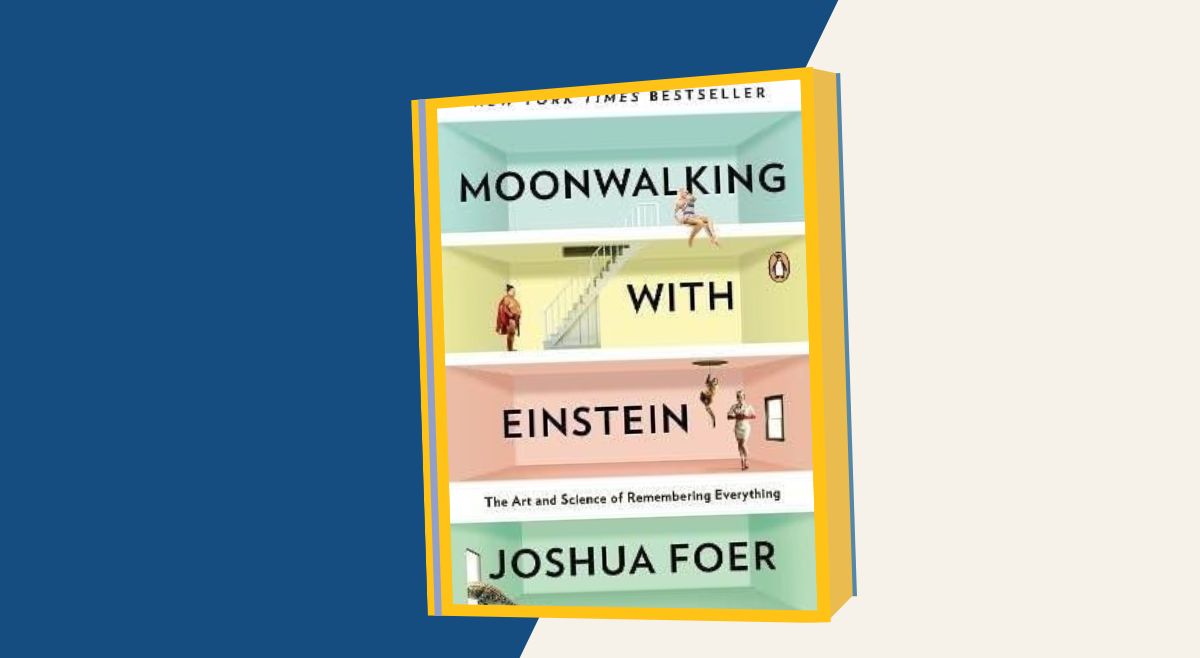
For example, imagine arranging groceries throughout your house. The book teaches the PAO (Person-Action-Object) technique to readers to make sense of numbers as well.
Everyday Application: Create associations between grocery lists and public speaking, or even memorise playing cards within minutes!
2. Unlimited Memory By Kevin Horsley
The book by Kevin Horsley, Unlimited Memory, offers an easy-to-understand method for unlocking the brain's hidden capacities. Key techniques are association and the peg system, like CAR or BODY, where facts are pegged to parts of a car or body. This book teaches you to visualise names or tasks every day; it increases storage exponentially, since, according to Horsley, the human brain exceeds laptops.
Recommended For You


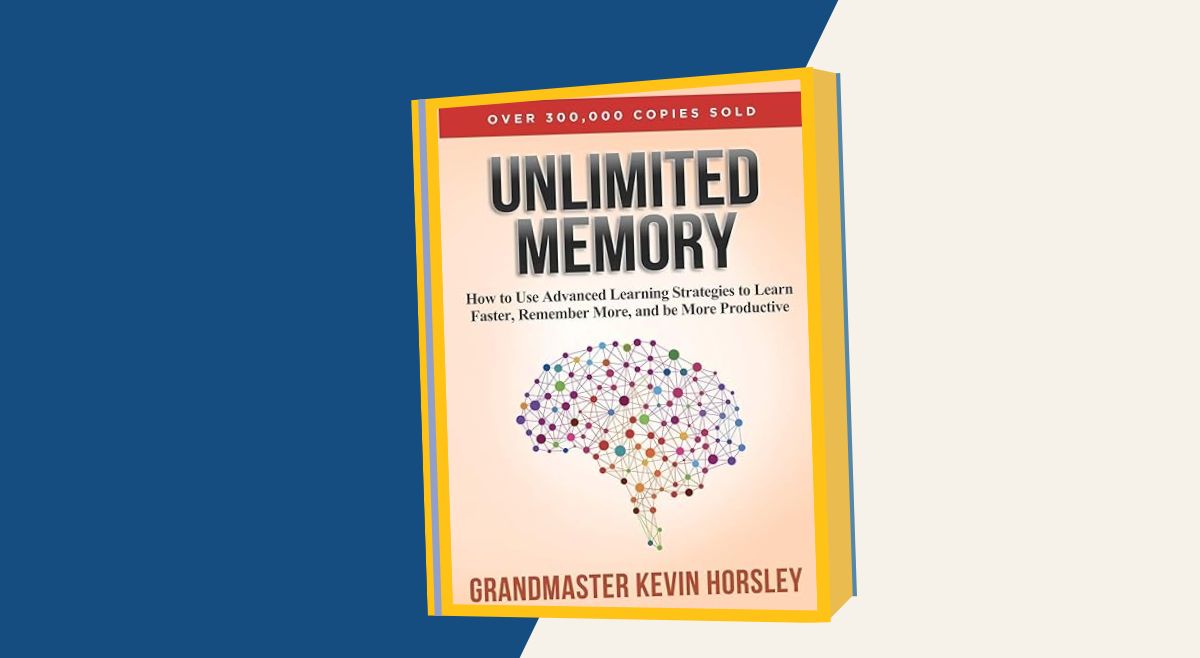
Everyday Application: Imagine a chatty banana sitting on the steering wheel as you remember the meeting time, etc. It takes about a month of the practice of Kevin's four Cs: concentration, imagery, connection, and continuation.
ALSO READ: 9 Romantic Books That Will Make You Emotional
3. Make It Stick By Peter C. Brown, Henry L. Roediger III, And Mark A. McDaniel
The book Make It Stick exposes some learning techniques that go beyond repetition. The key techniques include testing (test yourself to solidify connections in your brain) and interleaving (learning subjects in combination). Try ‘desirable difficulties,’ such as spaced practice; review your notes every day but in different ways to cement information in memory, especially useful for professionals or students.
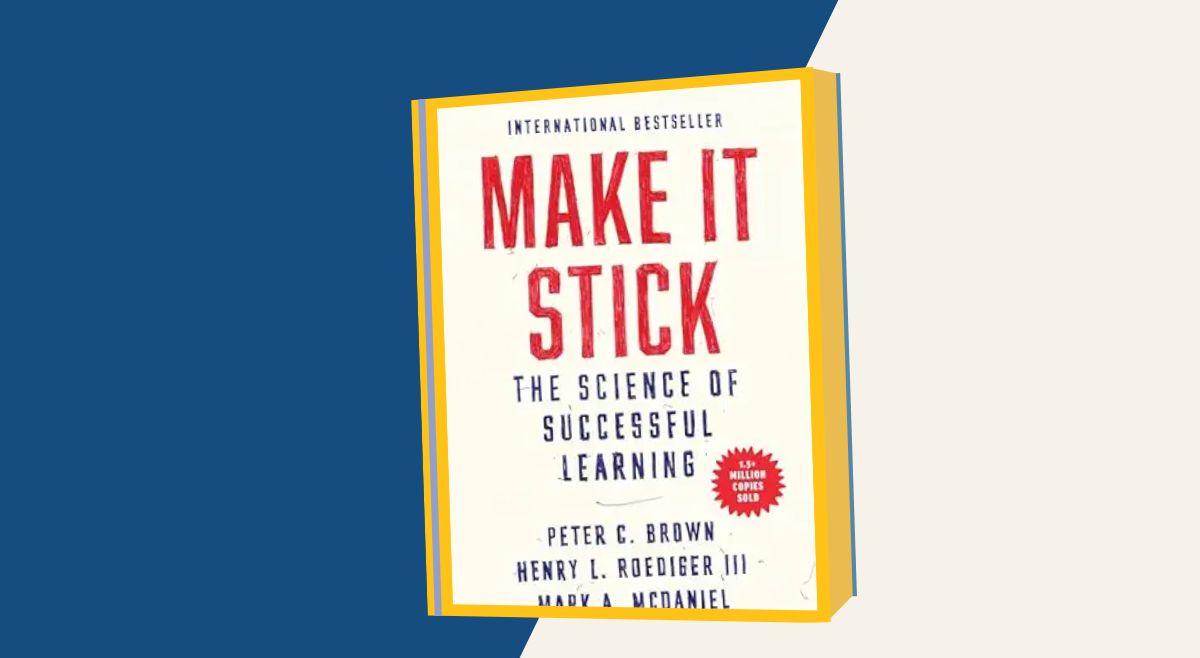
Daily Application: End each study session with flashcards rather than rereading; self-quizzing prevents forgetting and helps more than cramming.
4. How We Learn By Benedict Carey
In his book How We Learn, Benedict Carey demystifies learning through the findings of cognitive science, focusing on context and timing. Learning techniques, including spacing (studying in short bursts over several days) and switching up study locations, tap into the brain's natural rhythms. The book also teaches to use the technique “sleep on it” and revise before going to bed, which will help with memory consolidation, as well as when combined with self-testing.
ALSO READ: 8 Books That Went Viral On Social Media
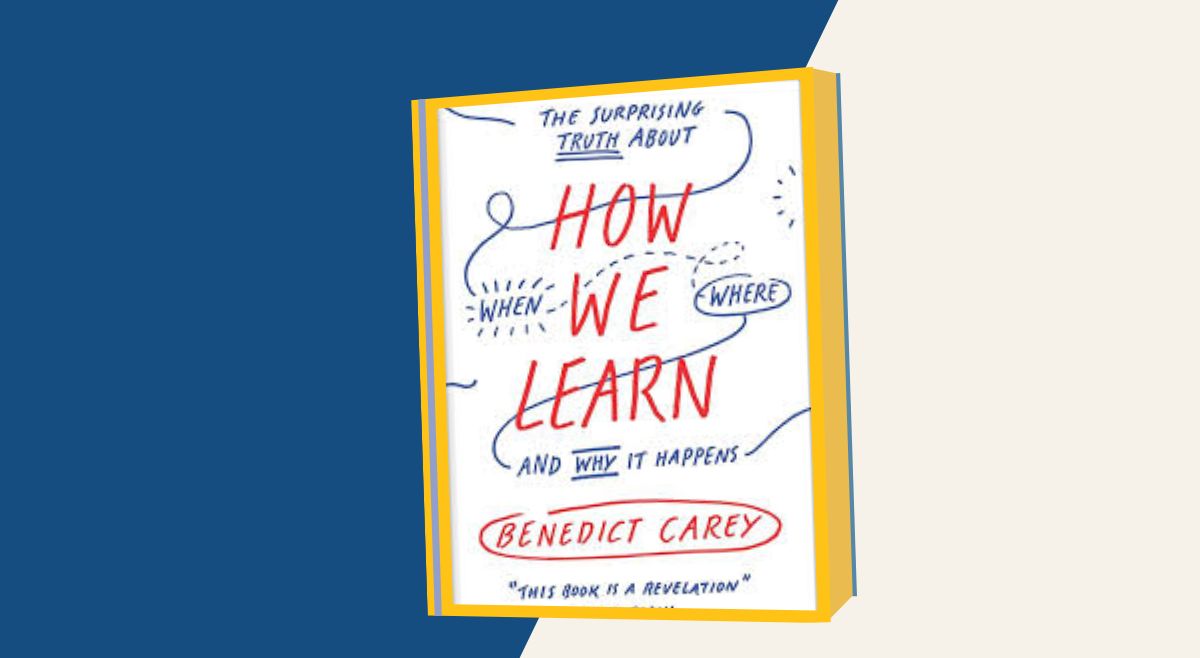
Daily Application: Study vocabulary during a walk rather than sitting at your desk; alternating environments improves recall by 20-40%, according to Carey's laboratory experiments.
4 Memory Techniques Books:
| Book Title | Key Technique | Daily Application Example |
|---|---|---|
| Moonwalking with Einstein | Method of Loci | Memorise errands via the home route |
| Unlimited Memory | Peg/Association | Peg appointments to body parts |
| Make It Stick | Testing & Interleaving | Flashcard quizzes on notes |
| How We Learn | Spacing & Context | Study in the park, sleep review |
All of the above-mentioned books teach you how to use memory as a tool and not just as a natural ability. Start reading these books now to be ready to conquer the world with a clear head, good memory habits for tomorrow.