
- By Ridam Sharma
- Fri, 15 May 2026 02:02 PM (IST)
- Source:JND
PCOS Renamed As PMOS: For years, the name PCOS, which is the short form of Polycystic Ovary Syndrome, shaped the way millions of women understood their condition. But doctors and researchers now say the term was too narrow and often misleading. Therefore, in May 2026, global medical experts officially renamed the condition PMOS: Polyendocrine Metabolic Ovarian Syndrome.
The change was announced after the global consensus led by international endocrine and reproductive health experts and published in The Lancet. This historic move took more than a decade of international consultation involving doctors, researchers and patients.
PMOS Is About Whole-Body Hormonal And Metabolic Disorder:
According to the international consensus published in The Lancet, the new name reflects a major shift in how the condition is viewed. Earlier, the focus was mostly on ovaries and ‘cysts.’ But experts now say the condition affects far more than reproductive health. PMOS highlights that it is a whole-body hormonal and metabolic disorder that can influence weight, insulin levels, skin health, fertility, heart health and even mental well-being.

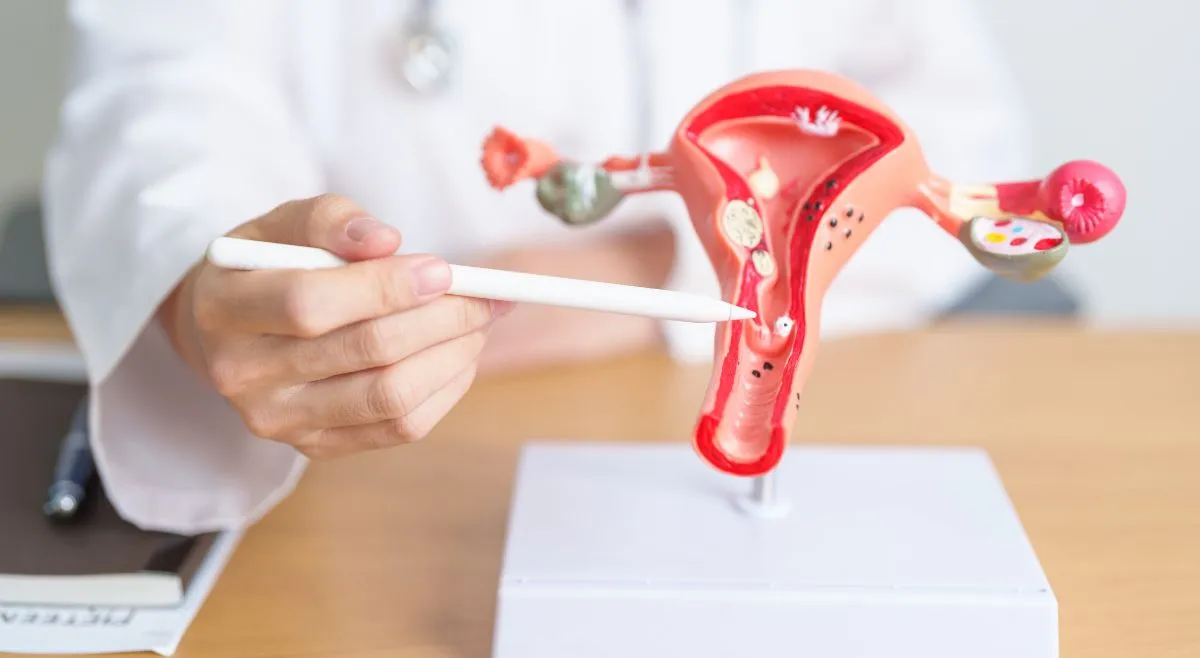
PCOS Renamed As PMOS (Image Credit: Canva)
PMOS Is Way More Than Ovarian Cysts:
One of the biggest reasons for the rename is that many women diagnosed with PCOS never actually had ovarian cysts. In fact, ovarian cysts are not required for diagnosis. The old name created confusion for patients and sometimes even doctors, leading to delayed diagnosis or dismissal of symptoms. Experts say this misunderstanding prevented many women from getting timely care.
Recommended For You




ALSO READ: PCOS And Stress: Doctor Explains The Mind-Body Connection That Affects Fertility
Symptoms Of PMOS:
The word “metabolic” in PMOS is especially important. It points to the growing recognition that insulin resistance plays a central role in the condition. Insulin resistance happens when the body struggles to use insulin properly, which can raise the risk of type 2 diabetes and heart disease over time. Researchers say many women with PMOS experience symptoms such as weight gain, fatigue and difficulty losing weight because the condition affects metabolism, not just hormones.
Why Polycystic Ovary Syndrome To Polyendocrine Metabolic Ovarian Syndrome:
The term “polyendocrine” also matters because it recognises that multiple hormone systems are involved. Things affected due to PMOS:
- - menstrual cycles
- - ovulation
- - skin
- - hair growth
- - mood.
- -Women may experience irregular periods’
- - acne
- - excess facial hair
- - hair thinning
- - fertility challenges.
- - Increasingly, doctors are also acknowledging the mental health impact, including anxiety, depression and body-image struggles linked to years of misdiagnosis or stigma.
However, according to the experts, renaming does not imply that the symptoms and diagnosis criteria for the disease have changed overnight. Rather, it's a step towards a different approach for the women who are affected by it across the globe. Now, people all over the internet are also hoping that renaming will make PMOS not solely focused on fertility, but on other aspects of it, especially for doctors.
ALSO READ: ‘Wait And See’ Trap: Doctor Explains How Age And Lifestyle Choices Impact Fertility In Men And Women
The process of transitioning into PMOS will occur gradually over the coming years and may even impact educational programs on a global scale. It signals that this condition is not just about ‘bad ovaries’; it is a lifelong health problem that requires further consideration.