

- By Ridam Sharma
- Fri, 15 May 2026 11:16 AM (IST)
- Source:JND
Gen Z Emotional Intelligence: Today, the young generation who are setting new standards of corporate, business, fashion and everything around, is also a generation of emotionally intelligent people. They are aware of others' emotions and the value they hold. Known as digital natives, their early interaction with the world, through the internet, has given them a wide perspective of acceptance and openness.
Contrary to popular belief, Gen Zs, people born between 1997 and 2012, learn to manage their emotions and respect others, while prioritising their mental well-being. To know more about it and why it matters, here are the seven signs of EQ (emotional intelligence) in Gen Z.
What Is Emotional Intelligence?
An emotionally intelligent person is someone who not only knows how to manage their own emotions, from anger to sadness and others, but also knows how to understand others. An emotionally intelligent person shows characteristics like active listening, can understand vulnerabilities and is kind and compassionate.
Recommended For You




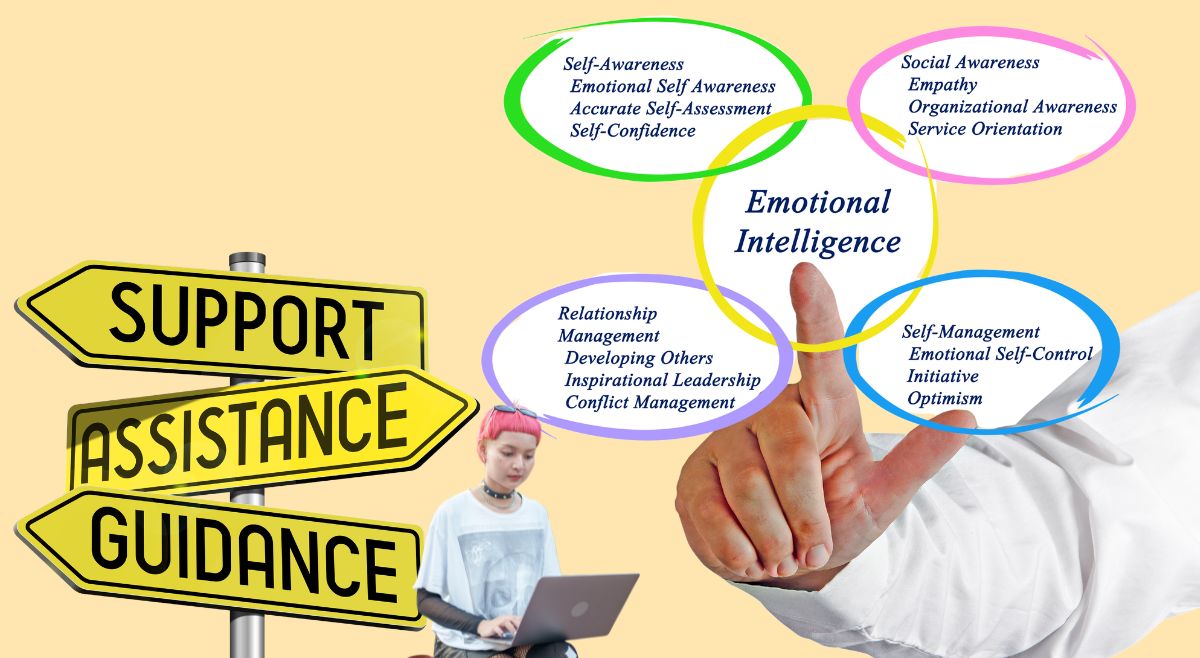
An emotionally intelligent person has deep empathy for systemic issues (Image Credit: Canva)
An emotionally intelligent person, when in disagreement, patiently communicates and diffuses conflicts. Such people also deal with stress better and overall have a better understanding of humans and their emotions.
7 Signs Of Emotional Intelligence In Gen Z
1. Empaths
The early exposure to the online world, where information and daily affairs are at their fingertips, has made Gen Z empathic and socially aware individuals who are keen to understand other people’s feelings and situations. Their empathy towards the marginalised group and curiosity about alternative views help them read their emotions and interact appropriately.
2. They Come With Self-Awareness
Gen Zs are probably the first among previous generations to openly talk about and describe their emotions and feelings, be it on social media platforms, in their everyday interactions or through their art.
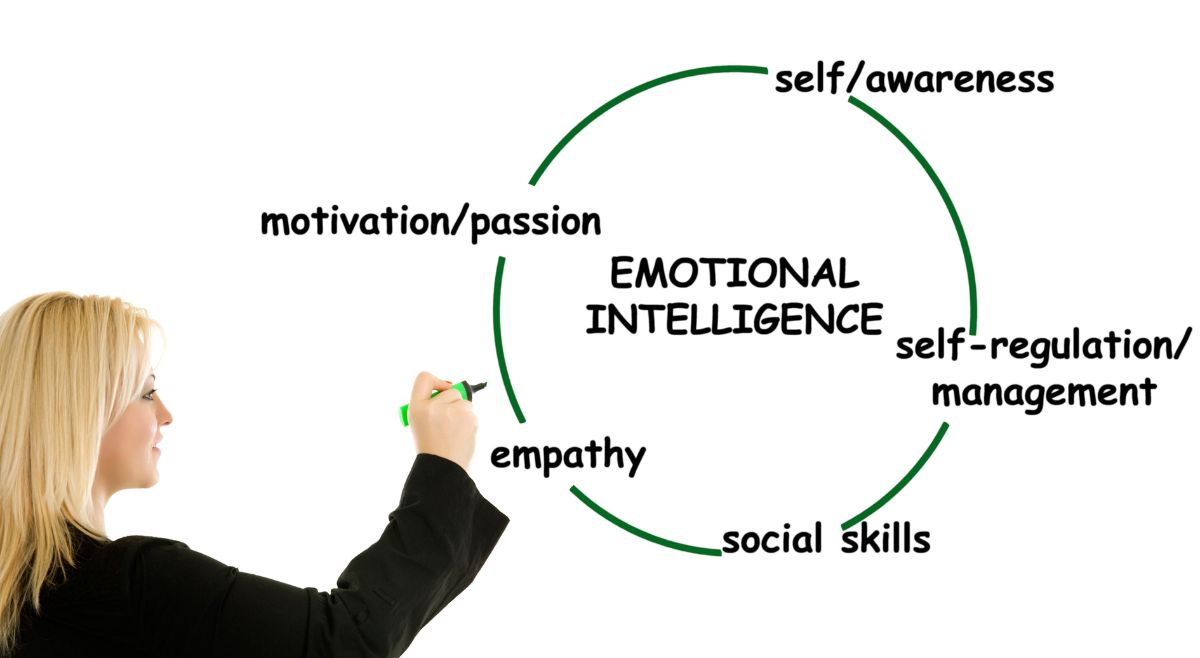
A key sign of emotional intelligence (EQ) in this generation is assertive boundary-setting (Image Credit: Canva)
The capacity to name one's feelings allows young people to react rather than to simply respond to certain circumstances. In addition, self-awareness helps this ‘digital native’ generation to make more informed decisions about career, education and interpersonal relations.
3. They Don’t Shy Away From Asking For Help
With increased discussion of mental health issues in modern society, Generation Zoomers tend to be more aware of their state and ask for professional help at an early stage. Be it a therapy session, consultations from friends, peers, or the Internet, each of this behaviour highlight not just the capability to be self-aware but also their high emotional intelligence.

Emotional Intelligence In Gen Z (Image Credit: Canva)
4. Gen Z Knows To Build Boundaries:
Nowadays, the younger generation has a habit of establishing boundaries to protect their peace and mental well-being. Be it family members, colleagues, or friends, they are not keeping the burden of people pleasing on their shoulders.
This new generation believes in straightforwardness to effectively and kindly communicate their inability to provide immediate assistance or spend quality time with people without getting upset. It seems most of Gen Z already know that emotional control and straightforwardness are key aspects of healthy and open, no-judgment interactions.
5. Flexibility and adaptability
Gen Zs are not just digital natives, but they are also, especially in India, brought up in an environment of change and development. This generation has seen consistent and drastic social and technological changes during its formative years. All of which led to good levels of emotional adaptability.
That is also the reason Gen Z love exploring, they switch gears quickly when their plans go awry, or situations change. Emotional flexibility is an effective way to lower stress and improve problem-solving, as it allows people to view challenges as surmountable, rather than insurmountable.
ALSO READ: Gen Z Fashion vs Millennial Fashion: What’s The Real Difference?
6. Prioritising Genuine Connections
Be it fashion or life, the world has always regarded Gen Z as the generation that is more inclined towards authenticity and genuineness. Their interactions with other people tend to be characterised by sincerity and openness. These individuals believe in sharing their true feelings rather than pretending to be someone else.
7. Acceptance And Development
Although screens receive much blame, Gen Z individuals frequently use technology to foster greater emotional intelligence through applications dedicated to mental well-being, mindfulness programs, journaling tools, and communities that offer positive reinforcement. They are selective in what they read on social media, ensuring that their news feed is not filled with negative news.
ALSO READ: Sus vs Shady: The Difference Most People Get Wrong
7 Signs You Are Emotionally Intelligent:
| Signs Of Emotional Intelligence | Why They Matter in the Modern World |
| You Have Empathy | To Foster Genuine Connections |
| You Are Self-Aware | To Fully Accept Yourself |
| You Bluntly Ask For Help | To Prioritise Your Mental Health |
| You Know To Build Boundaries | To Not Fall In The Trap Of People Pleasing |
| You Are Adaptable | To Navigate Uncertainty Efficiently |
| You Prioritise Genuine Connections | To Lead A Meaningful Life, Instead Of A Pretentious One |
| You Focus On Acceptance And Development | To Build A Kind World Together |
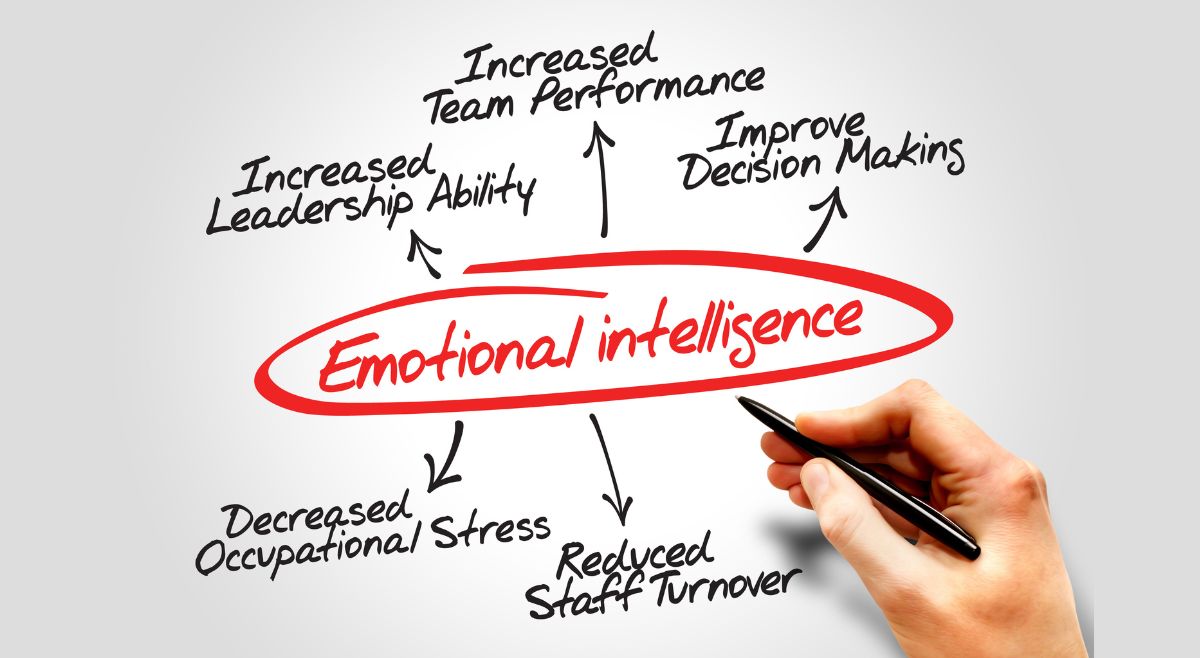
Growing up in a fast-paced digital era, Gen Z has normalised mental health and emotional intelligence (Image Credit: Canva)
Each of the above-mentioned aspects of emotional intelligence helps Generation Z to foster career development, healthy relationships, and prioritise mental well-being. These traits that Gen Z displays make them well-suited to thrive in the workplace and socially aware communities.