
- By Raghav Gupta
- Wed, 22 Apr 2026 11:57 AM (IST)
- Source:JND
Mother Earth Day is a day that stands for spreading awareness of Nature’s suffering as well as a call for action to address this issue. Plastic and chemical waste in oceans, wildfires, floods and extreme heat have affected millions of people around the world. The environmental destruction of the planet has increased due to factors like climate change and man-made changes. These crimes include deforestation, excessive land use, rapid urbanisation, combustion of fossil fuels, intensified agriculture, etc. Such crimes not only cause damage to Earth’s environment but also disrupt biodiversity and ecosystems.
Biodiversity and ecosystems play an important role in keeping the planet healthy and supporting all life on it. The restoration of ecosystems can play an important role towards solving problems such as poverty, hunger, climate change, etc. Healthy ecosystems also help protect various lifeforms from diseases, while biodiversity reduces the spread of diseases.
Gaia Theory
In the 1970s, James and Lynn Margulis suggested the Gaia Theory, which views Earth as a complex and self-regulating entity. Theory suggests that earth provide everything needed for lifeforms to thrive as one giant and complex ecosystem that mutually sustains itself across the entire planet. Gaia theory explains that the Earth provides everything necessary for a lifeform’s survival and how nature remains stable as long as consumption matches production. This theory places an emphasis on balance and harmony. It addresses the fact that humanity is rapidly depleting Earth’s resources, which may lead to a permanent collapse of the planet's living environment. Due to such reasons, Gaia theory emphasises the importance of people matching their consumption with production and being more aware of the consequences of overconsumption.
Recommended For You




This year’s theme is 'Our Power, Our Planet', which focuses on spreading awareness of environmental issues (Imge:Freepik)
The Gaia theory aligns well with the International Mother Earth Day, especially with this year’s theme “Our Power, Our Planet”. Our planet is a large and complex entity that survives based on the mutual symbiosis of ecosystems and living organisms. Various environmental initiatives are very important to maintain and protect the planet’s ecosystem and biodiversity for the mutual benefit and survival of all lifeforms, including humans.
ALSO READ: Earth Day 2026: 5 Simple Ways To Build Zero-Waste Habits
Theme for 2026
This year’s theme is “Our Power, Our Planet”, which focuses not only on spreading awareness of environmental issues but also reflects the truth about how environmental progress has been made through the efforts of various workers, communities, educators and families that have been protecting areas where they live and work. The key points of this year’s theme include the importance of individual and collective actions, renewable energy and environmental responsibility.
Key Points
• Individual and collective actions of people ranging from communities, individuals and local leaders are important factors towards protecting nature as it helps build climate resilience and protect/restore ecosystems. Ideas like protecting the environment, sustainable development and renewable energy have been around for decades. However, the impact and success of implementing these ideas have only been felt through the dedicated individual and collective actions of people. Over the past few decades, many individuals and groups have taken actions to save and protect nature in the form of protests, events, spreading awareness, planting trees, collecting waste, etc. These actions have helped protect various ecosystems, wildlife and even people from deforestation, wildfires, chemical spills, diseases, etc. The spirit and idea behind such actions resonates with Gaia theory as such actions help display the importance of creating balance in individual ecosystems, which can resonate and help bring balance to other ecosystems around them. Collective actions can also help improve eco literacy, which can help people better understand the importance of balance in nature and how it can even help improve their own living environments.
• Renewable energy is an important alternative to fossil fuels, which makes is a crucial subject of research and development. Completely replacing fossil fuels with renewable energy can drastically reduce greenhouse emissions and play a significant role towards combating pollution. It can have a major impact on Earth’s atmosphere and ecosystems around the world. Renewable energy has already provided great help in various parts of the world by significantly reducing greenhouse emissions, lowering environmental footprint, improving air and water quality, reducing water usage and improving sustainable development. These achievements are intrinsically linked with Gaia theory as it shows the importance of renewable energy towards creating a self-sustainable Earth that is at balance and harmony with human society.
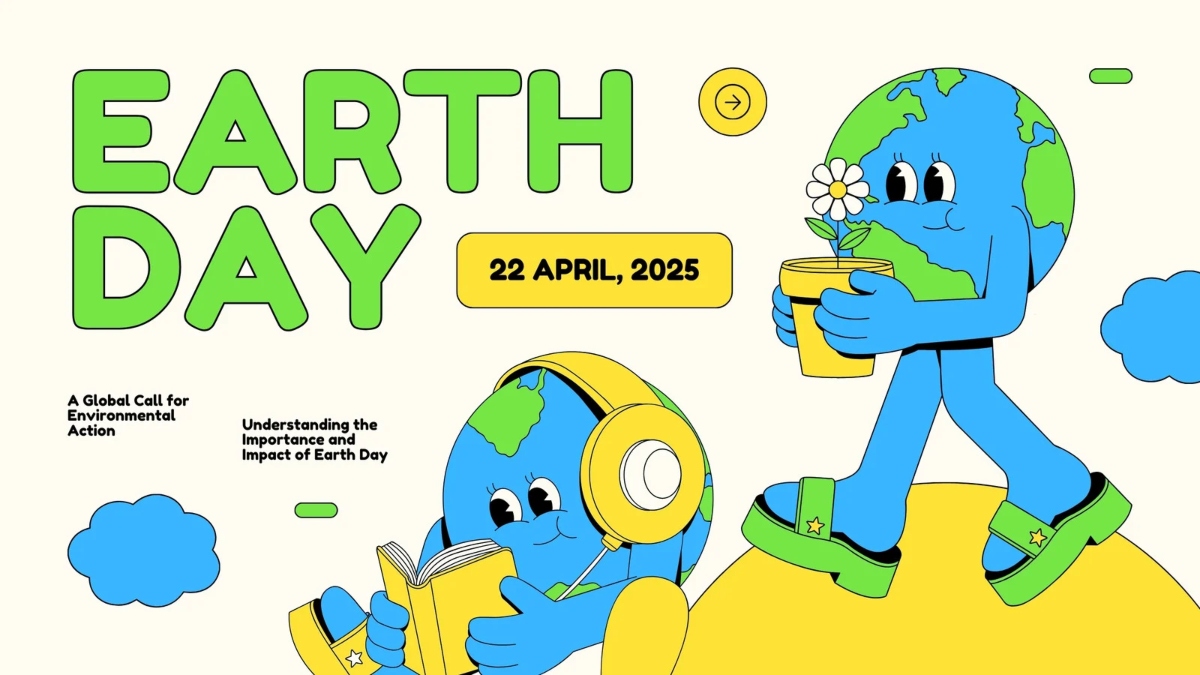
Earth Day is celebrated every year on 22nd April Image (Canva)
• Environmental responsibility is important for every citizen of the planet, as protecting the environment is the same as protecting our mutual home. This serves as a collective obligation of individuals, organisations, and nations to protect the planet and ensure that it can be passed down to future generations. This can be achieved through sustainable resource use, reducing pollution and maintaining biodiversity necessary for a stable and healthy planet. This point perhaps has the deepest resonance with Gaia theory, that emphasizes the importance of balance between people and nature. Environmental responsibility can be interpreted with the core values of Gaia theory as respecting and protecting the environment. It is crucial towards preventing a depletion of resources vital for the survival of the human species and maintain a healthy and livable environment free from pollution.