
- By Ridam Sharma
- Sat, 20 Dec 2025 07:03 PM (IST)
- Source:JND
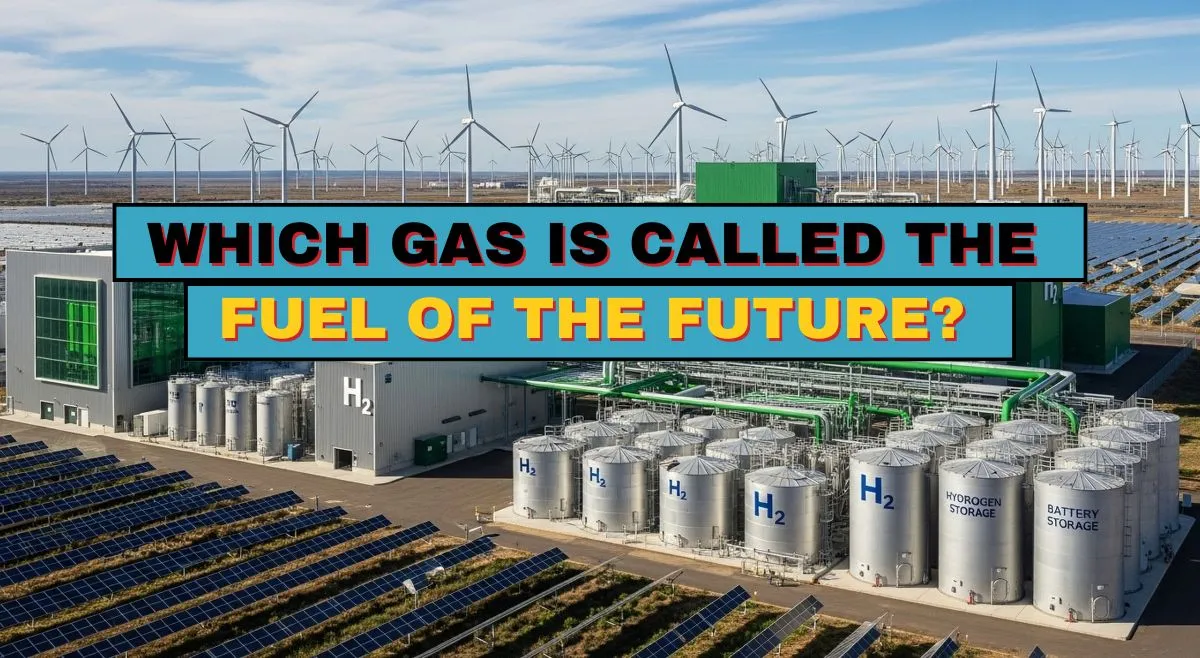
Fuel Of The Future: Hydrogen is commonly known as the gas that is widely acknowledged as the ‘Fuel of the Future’. Time and again, hydrogen gas has been proven to be better for the environment than other. It is a zero-emission replacement of fossil fuels because of its lightweight and rich elements that can be used in clean energy systems, which only release water vapour during combustion or used in fuel cells. Hydrogen has the highest energy density of three times that of gasoline on a pound per pound basis, which enables it to be stored and transported efficiently to vehicles, industries, and power networks.
Additionally, it does not need solar energy or wind like renewable power sources; it stores the renewable energy over the long term, which seals the gaps of intermittency in green energy. Governments all over the world, like the National Green Hydrogen Mission in India, allocate millions of funds for the commercial-scale production of this gas through electrolysis with excess renewables.
Key Types of Hydrogen:
Green Hydrogen: Production of hydrogen by electrolysis of water with the aid of solar/wind energy; wholly clean, but more expensive today.
Blue Hydrogen: This is a transition to low-emission using natural gas with carbon capture; blue.
Recommended For You





Grey Hydrogen: Conventional steam methane reforming; the cheapest one, but it produces CO2, and will be phased out.
Source: energytracker.asia
The future race for gases is dominated by green variants, which are aimed at cost parity by 2030. Batteries are not sufficient to decarbonise hard-to-abate industries, including steelmaking, aviation, and shipping, which are powered by hydrogen. It will improve energy security by decreasing oil imports, which are crucial to India.
Also Read: NTPC Hosts 18th Lenders' Meet, Showcases Growth Roadmap And Green Energy Vision
However, the cost of production is high, and there is infrastructure that is required to store and transport the products through pipelines. Flammability remains an issue of concern in terms of safety, but the new materials reduce such risks. Lastly, the flexibility of hydrogen makes it the cornerstone of a new energy future that drives the entire world to a sustainable future.