
- By Akansha Pandey
- Tue, 10 Feb 2026 04:16 PM (IST)
- Source:JND
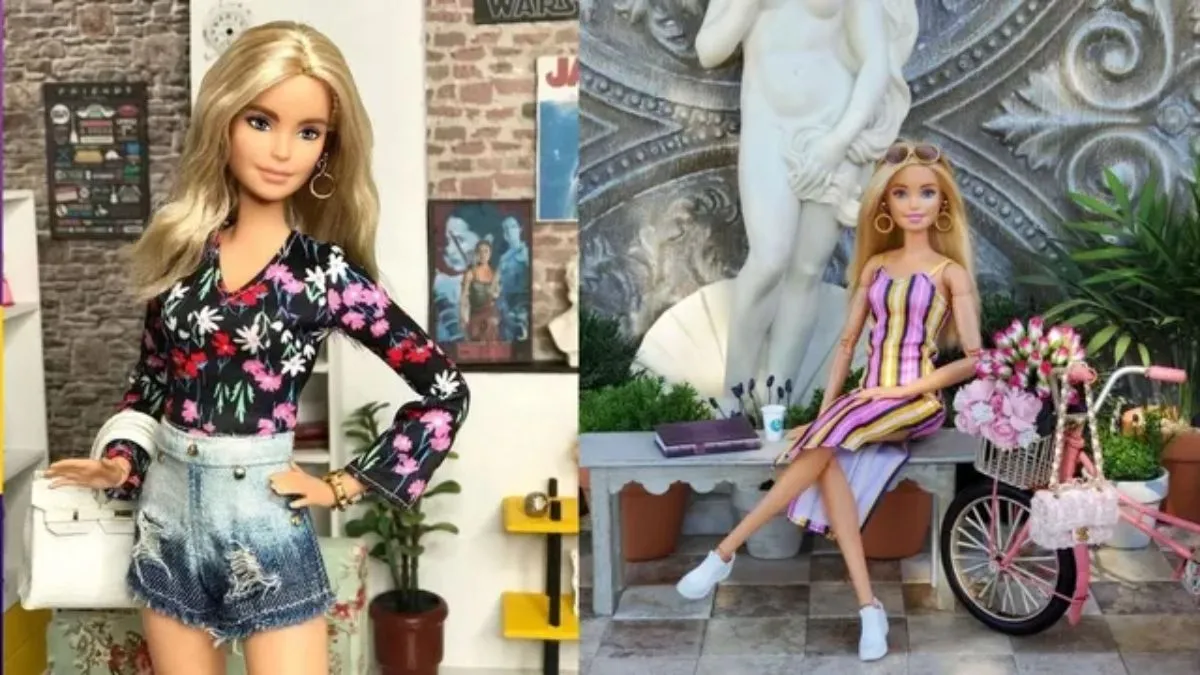
If you were to ask someone to name a doll, "Barbie" would likely be the first name mentioned. For decades, Barbie has been more than just a toy for millions of girls worldwide; she is a unique blend of inspiration and modern technology. From dolls to animated characters, we have experienced Barbie in various forms throughout our childhood and she remains a favorite choice for girls even today.
But do you know where the idea for Barbie originated? It actually started when a mother watched her daughter play with paper dolls. Since its trademark registration on February 13, 1959, Barbie’s journey has been filled with fascinating stories.
Inspiration From A Daughter’s Play
Barbie’s full name is Barbara Millicent Roberts. She was created by Ruth Handler, who co-founded the Mattel company with her husband, Elliot. In 1956, while vacationing in Switzerland with her daughter Barbara, Ruth noticed a German doll named "Bild Lilli." At that time, most dolls looked like infants, but Ruth envisioned a doll that allowed girls to imagine their futures in fashion and various careers. Inspired by the German doll and named after her daughter, Barbie was launched at the New York Toy Fair on March 9, 1959. It was an instant hit, selling over 300,000 units.
ALSO READ: Who Is Krishna Nandi? Jamaat-e-Islami’s Only Hindu Contesting In Bangladesh Elections
 (Image Source: Instagram)
Space Technology And Aerospace Engineering
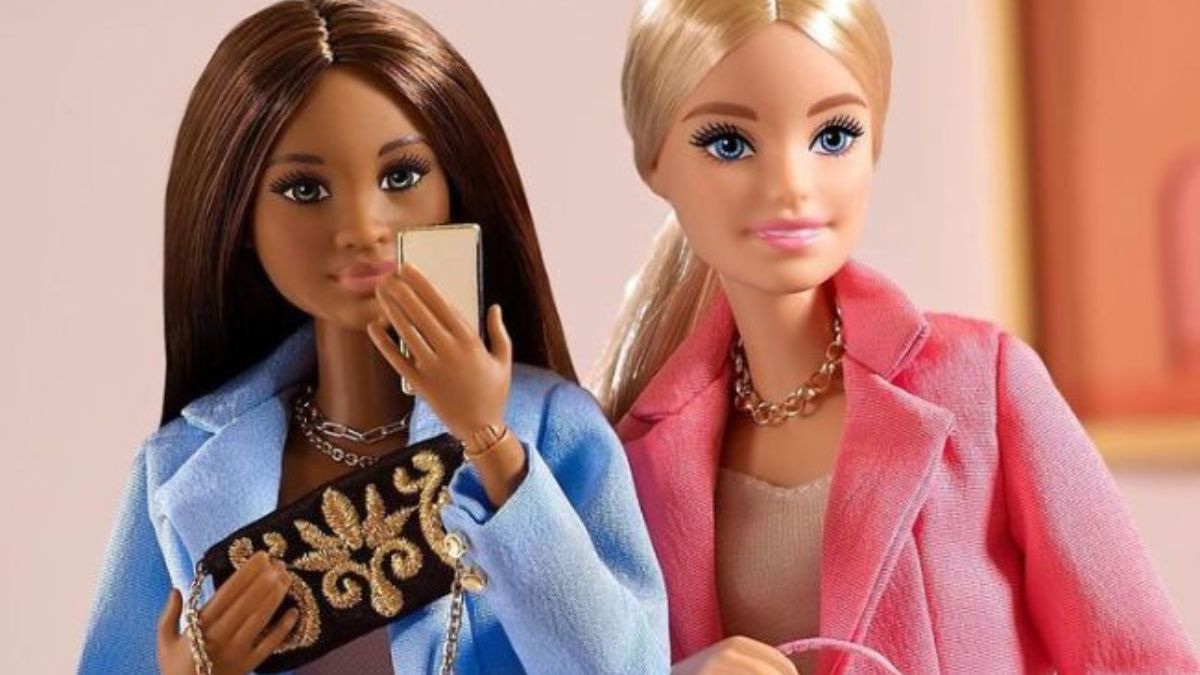
A missile engineer’s expertise was behind Barbie’s iconic ability to pose. Jack Ryan, a Yale graduate who previously designed missiles for the Pentagon, applied aerospace technology to make Barbie’s body flexible. This allowed the 11-inch doll to stand in various positions, such as with her hands on her waist.
Barbie also encouraged girls to dream big. In 1965, four years before Neil Armstrong walked on the moon, Mattel launched "Astronaut Barbie." Created in collaboration with NASA, the doll showed girls they could reach the stars. This legacy continued in 2022 when a Barbie doll was actually sent into space as part of NASA's Artemis-1 mission.
Barbie’s Social Circle
In 1961, Mattel introduced Barbie’s boyfriend, Ken. Like Barbie, he was named after the Handlers' son, Kenneth. Barbie has also become a high-value item for collectors. The world's most expensive Barbie, featuring a rare 1-carat pink diamond designed by Stefano Canturi, was valued at approximately Rs 2.5 crore. The proceeds from its auction were donated to cancer research.
Controversies And Evolution
While Barbie is a global icon, her journey has been marked by significant debate. Since her debut, the doll’s physical proportions have faced intense scrutiny.
 (Image Source: Instagram)
Body Image And Unrealistic Standards
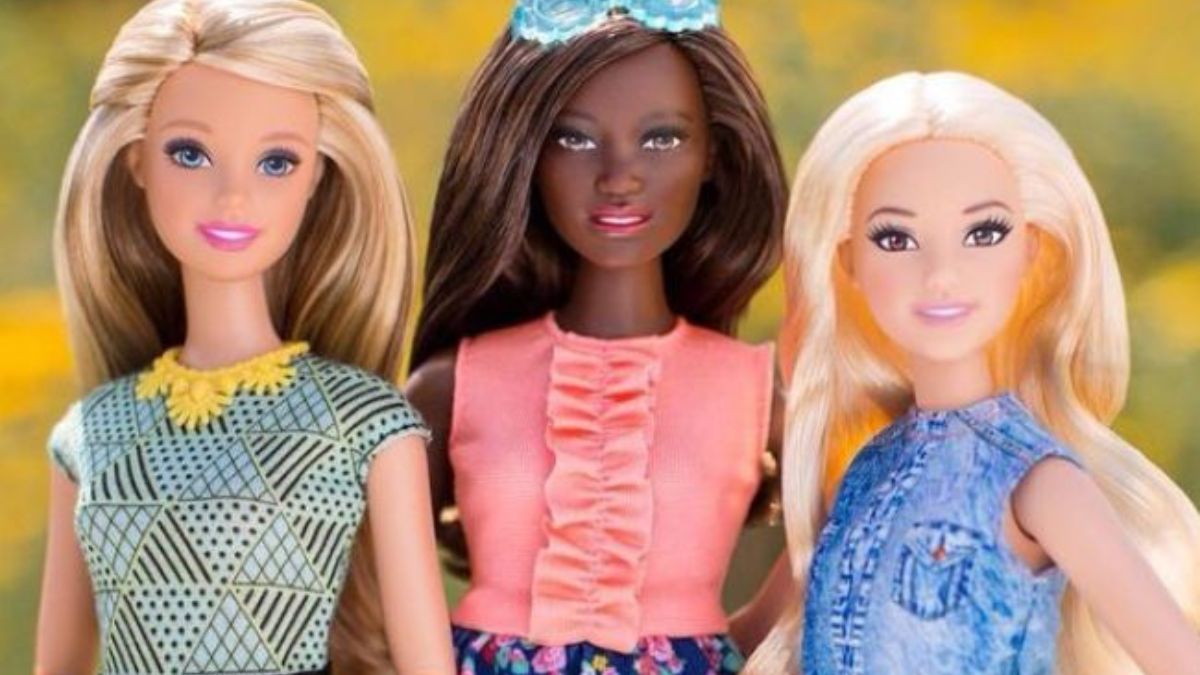
Critics have long argued that Barbie promotes an unattainable body image. Even before her official launch, market research suggested that mothers were uncomfortable with her "mature" figure. According to Britannica, Mattel bypassed these concerns by marketing directly to children via television. By the 1990s, Finnish researchers pointed out that if Barbie were a real woman, her body fat percentage would be too low to maintain normal biological functions. In response to decades of criticism regarding materialism and physical standards, Mattel eventually revamped the doll's mold. In 2016, the company introduced more inclusive body types, including Curvy, Tall and Petite versions.
Societal Roles And Family Dynamics
In the 1950s and 60s, some complained that Barbie focused too much on careers rather than traditional family roles or caregiving. Unlike many other dolls of the era, Barbie was never defined by a husband or children. When consumers requested a "baby" for Barbie, Mattel chose not to make her a mother; instead, they released a "Barbie Baby-Sits" playset, maintaining her identity as an independent woman.
Global And Cultural Challenges
Barbie has faced hurdles in various international markets. In 1995, Saudi Arabia banned the doll for not adhering to Islamic dress codes. This eventually led to the creation of similar dolls wearing hijabs for the Muslim market. Furthermore, while Barbie is marketed as the "ideal American girl," high labor costs mean she has never actually been manufactured in the United States. Today, she is a symbol of global consumerism with massive markets across Asia, Europe and Latin America.
Privacy In Digital Age
Technology has brought new challenges. The 2015 launch of "Hello Barbie"—a high-tech version equipped with Wi-Fi and a microphone—sparked a privacy outcry. Security experts labeled the doll a potential surveillance tool, as it recorded children’s conversations and uploaded them to servers, raising serious concerns about data security and a child's right to privacy.
(NOTE: This article is part of the series 'Did You Know'. To read more articles in the series, click here)