
- By Vaidika Thapa
- Thu, 04 Jun 2026 05:50 PM (IST)
- Source:JND
- Five new non-permanent members elected to UNSC for 2027-2028.
- India has been actively advocating for a permanent UNSC seat and reforms.
- UNSC reform requires 2/3 UNGA vote and P5 approval.
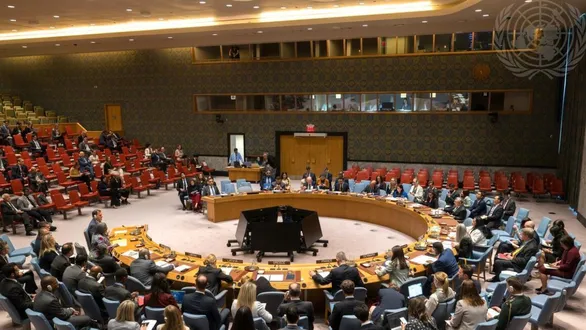
Pakistan’s tenure at the United Nations Security Council (UNSC) is set to end in 2026, as five new countries have been elected as non-permanent members of the world’s top decision-making body on global peace and security. In the latest election held on Wednesday, Austria, Portugal, Trinidad and Tobago, Zimbabwe, and Kyrgyzstan have secured seats for a two-year term beginning January 1, 2027.
What Is UNSC?
The United Nations Security Council (UNSC) is the most powerful body of the UN. The body is responsible for maintaining international peace and security. It has 15 members in total, including five permanent members (the United States, United Kingdom, France, Russia, and China) and ten non-permanent members elected for two-year terms on rotational basis. While India plays an active role in global decisions, it is still not a permanent member of the UNSC.
#UNSC Elections Results:
— Security Council Report (@SCRtweets) June 3, 2026
Five new members of the Security Council that will serve 2027-2028 term:
- Africa (@Zimbabwe_un)
- Asia-Pacific (@KyrgyzMissionUN)
- GRULAC (@TTUNMission)
- WEOG (@AustriaUN and @Portugal_UN)
For more information about the incoming members and… pic.twitter.com/CV6jai7l50
Why Is India Not A Permanent Member?
India serves as a non-permanent member on a rotational basis, and its most recent term ended in 2022. But why is India not a permanent member of the UNSC? The main reason is that the UN system has not been reformed since its creation after World War II. Changing the UNSC structure requires amendment to the UN Charter.
#WATCH || Five countries - Austria, Kyrgyzstan, Portugal, Trinidad and Tobago, and Zimbabwe - have been elected as non-permanent members of the UN Security Council for a two-year term.
— All India Radio News (@airnewsalerts) June 4, 2026
They will assume office on 1 January 2027 and serve until 31 December 2028, replacing… pic.twitter.com/3JgO71yz86
For this to happen, two conditions must be fulfilled, which are: (a) at least two-thirds of all member countries in the UN General Assembly must vote in favour of the change. (b) all five permanent members of the Security Council must approve it. Even if one of the permanent members disagrees, the proposed reform cannot go through. China, which holds veto power, has reportedly opposed India’s entry multiple times.
Additionally, some countries such as Pakistan and members of the “Uniting for Consensus” group also resist the expansion of permanent seats. Another reason is the lack of agreement on expansion. This is because countries cannot agree on how many new permanent members should be added or whether they should get veto power.
What Is India’s Position?
India has been strongly advocating for a permanent seat and a reformed UNSC that reflects today’s global realities. Earlier in 2024, Minister of State in the Ministry of External Affairs (MEA), Kirti Vardhan Singh, stated in a written reply that the government accords the highest priority to the reform and expansion of the UNSC. He highlighted that India has all the credentials for permanent membership and is actively engaged in diplomatic efforts through groups like the G-4 (India, Japan, Germany, Brazil) and the L.69 coalition of developing nations.
External Affairs Minister (EAM) S Jaishankar has repeatedly stressed that global institutions must evolve with changing times, while Prime Minister Narendra Modi has also called for urgent reform of international bodies, including the UNSC, to make them more representative and effective.
You May Also Like To Watch: