
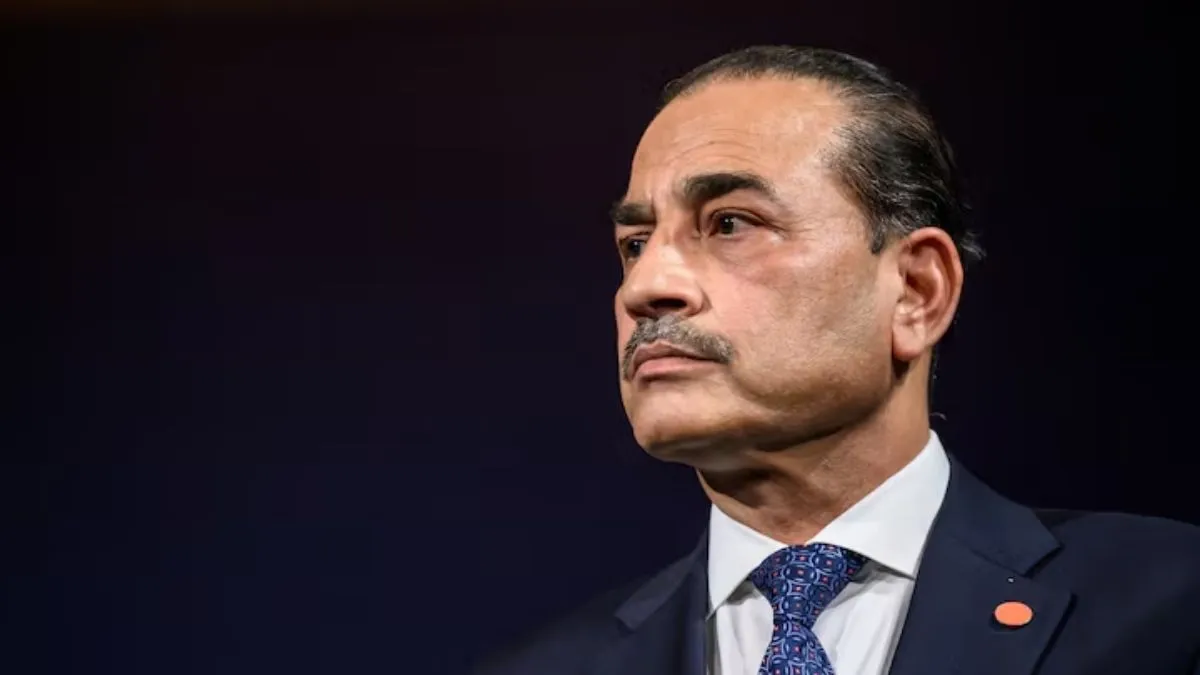
- Pakistan Army Chief Asim Munir visiting Tehran for talks.
- Visit aims to revive stalled US-Iran peace negotiations.
- Pakistan actively mediating West Asia tensions, Strait of Hormuz.
Pakistan's Army chief Asim Munir will visit Tehran on Monday to discuss bilateral and regional issues, Iran's foreign ministry announced on Sunday.
The visit comes at a time when Islamabad is actively pushing to revive its mediation efforts in the stalled US-Iran peace negotiations.
An interim peace agreement, which Pakistan signed as a guarantor, derailed last month as tensions escalated in West Asia with the US and Iran resuming military strikes.
Pakistan Interior Minister Mohsin Naqvi also held talks with Iran's President Masoud Pezeshkian and Foreign Minister Abbas Araghchi in Tehran earlier this month.
On Sunday, Iran's foreign ministry spokesperson Esmaeil Baghaei told reporters that Field Marshal Munir will be accompanied by a delegation which will hold high-level talks with the Iranian leadership.
ALSO READ: Jaish-e-Mohammed's Bahawalpur Base Rebuilt 15 Months After Being Destroyed In Operation Sindoor
Baghaei further said the visit is aimed at strengthening bilateral cooperation between Iran and Pakistan, as well as continuing Pakistan's efforts to help promote peace and security in the region.
However, Pakistan has so far not commented on Munir's Tehran visit.
The visit, however, is widely perceived to be a follow-up on the stalled Memorandum of Understanding (MoU) signed in June by the US and Iran, aimed at opening a 60-day window for high-level talks aimed at restoring peace in West Asia.
But the talks collapsed after tensions between the two sides escalated again in mid-July.
Pakistan's efforts to revive the talks have so far failed to yield results.
The key sticking point is the Strait of Hormuz, where shipping has been disrupted because of the war that started on February 28 after the US and Israel launched joint attacks on Iran, triggering retaliatory strikes. Roughly a fifth of the world's total energy supplies passed through the Gulf chokepoint in normal times.
Iranian President Pezeshkian on Sunday defended the MoU as the best way for the country to move beyond what he described as a situation of "neither war nor peace", while the hard-line new leader of Iran's Supreme National Security Council, Mohsen Rezaei, threatened Tehran's neighbours against joining the new US effort to hurt Iran's economy.
Recommended For You
On August 20, US President Donald Trump had said he would go for what he called the "most crushing economic operation" against Iran if Tehran failed to strike a deal.
(Disclaimer: Except for the headline, this article has not been edited by The Daily Jagran staff and has been published through syndicated feed by PTI.)