
- By Kashish Rai
- Wed, 29 Apr 2026 10:44 AM (IST)
- Source:JND
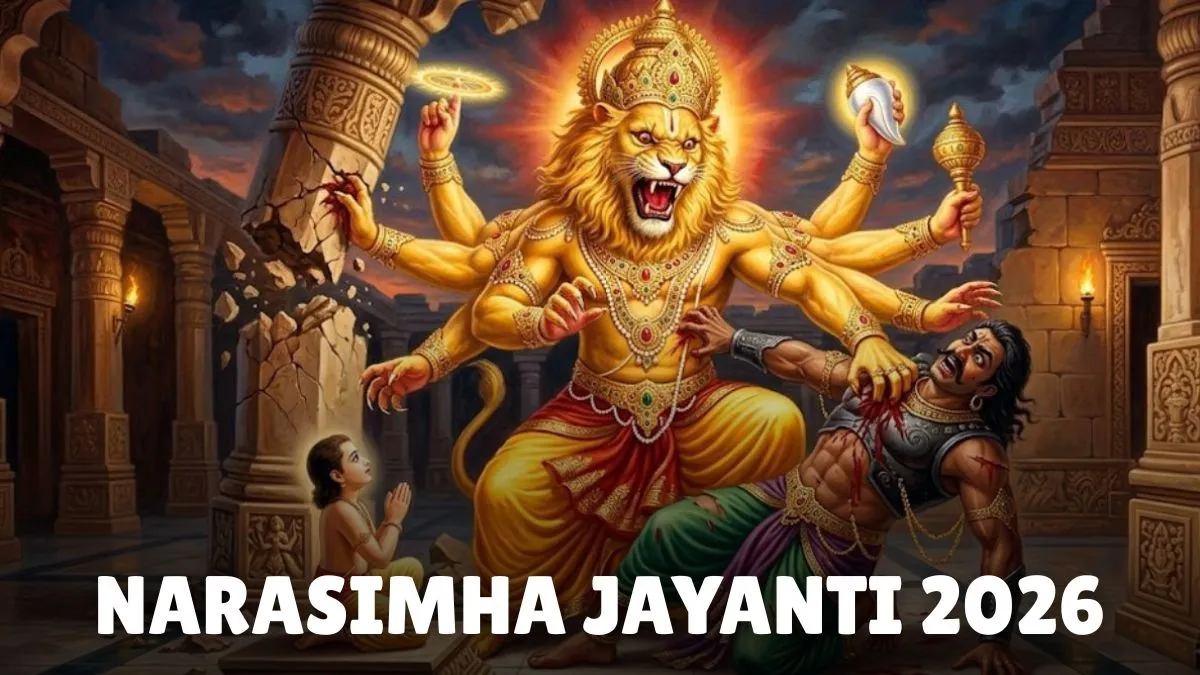
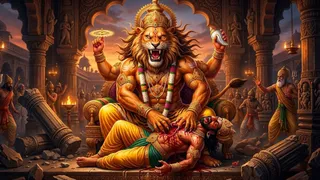
Narasimha Jayanti 2026 is celebrated on the Chaturdashi tithi of the Shukla Paksha during the month of Vaishakh. On this day, Lord Vishnu took the Narasimha Avatar, a form that was half-lion and half-human to protect His devotee, Prahlad. It was in this very form that He slew the demon Hiranyakashipu. The significance of this occasion is further heightened if this specific date coincides with the Swati Nakshatra and falls on a Saturday. Observing a fast on Narasimha Jayanti is believed to alleviate all sufferings.
Check out all the important details regarding the date, time, shubh muhurat, parana timings, significance and rituals associated with this day below:
Narasimha Jayanti 2026: Date And Time
- Narasimha Jayanti 2026 Date: 28th April 2026, Tuesday
- Chaturdashi Tithi Begins: 07:51 PM, 29th April 2026
- Chaturdashi Tithi Ends: 09:12 PM, 30th April 2026
Narasimha Jayanti 2026: Shubh Muhurat
The Madhyahna Sankalp and Puja Muhurat on Narasimha Jayanti is from 10:59 AM to 01:38 PM. Additionally, the Sayana Kala puja time on Narasimha Jayanti is from 04:17 PM to 06:56 PM.
ALSO READ: Parashurama Dwadashi 2026: 5 Lesser-Known Facts About Lord Parashurama We Bet You Didn’t Know
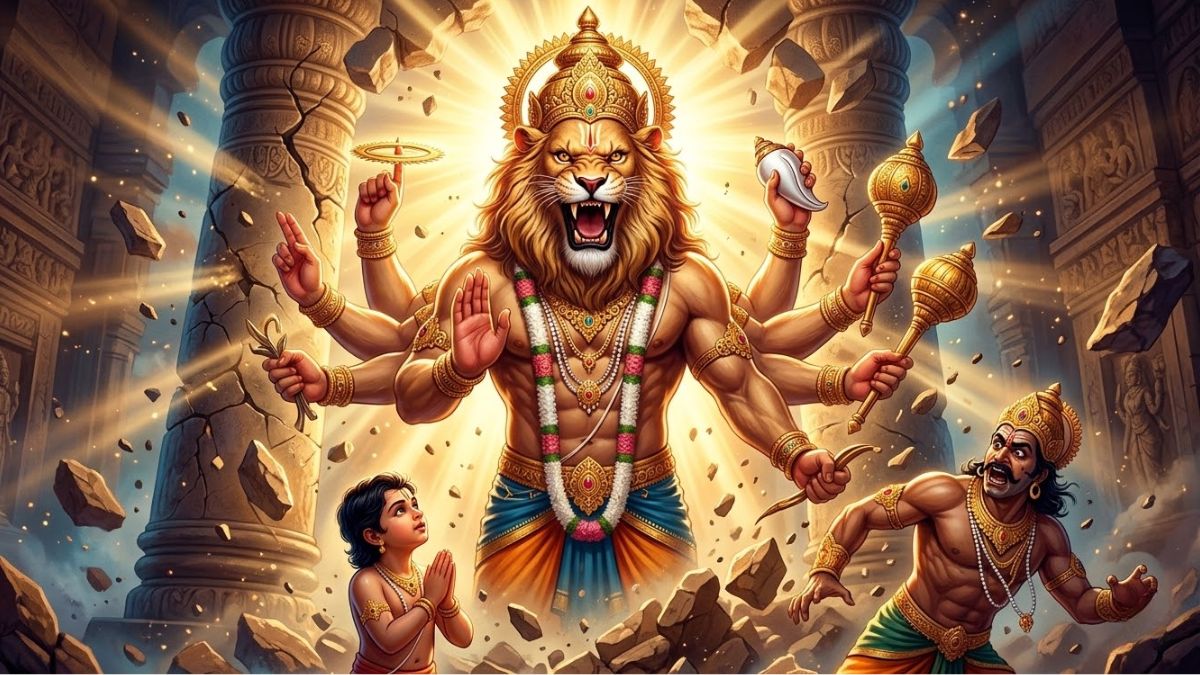
Lord Vishnu took the avatar of Lord Narasimha to protect his devotee Bhakt Prahlad from the wrath of his evil father Hiranyakashipu. (Image Source: Gemini AI)
Narasimha Jayanti 2026: Significance
Narasimha Jayanti is of great importance because this festival signifies the victory of good over evil. Lord Narasimha came to protect his most devoted devotee, Prahlada, which signifies that God will always be there for His devotees. By observing fasting and worshipping on this auspicious day, we can overcome our fear within ourselves and emerge victorious over any adversary.
Narasimha Jayanti 2026: Rituals
Devotees can observe a Nirjala or Phalahari fast on Narasimha Jayanti according to their health capacity. Some devotees opt to partake in a single meal of sattvic food once during the day (known as Ekabhukta). Keeping the mind calm and meditating upon Lord Narsimha during the fast is considered highly auspicious.
Recommended For You

To perform the puja, take a bath in the morning, wear yellow clothes, and install the deity's idol. Perform an Abhishek of the Lord with Panchamrit, offer flowers and Tulsi leaves, and light a ghee diya. Thereafter, offer Naivedya, perform the Aarti, and seek forgiveness for any unintentional errors. This ritual brings happiness and peace into one's life. Reciting Narasimha Kavacham and Narasimha Mantras on this day is additionally believed to bring the blessings of protection, peace and prosperity from Lord Narasimha.
Lord Narasimha Mantras
- Om Namo Narasimhaya
- Ugram Veeram Maha-Vishnum Jvalantam Sarvato Mukham Nrisimham Bheeshanam Bhadram Mrityur-Mrityum Namami Aham
(Disclaimer: This content includes advice providing generic information only. It is in no way a substitute for qualified spiritual or astrological opinion. Always consult a specialist for more information before adopting any measures.)