

- By Kashish Rai
- Tue, 17 Feb 2026 02:57 PM (IST)
- Source:JND
Jagannath Puri Temple Kitchen Facts: Did you know that the kitchen of the Jagannath Temple in Puri is considered the largest and most mysterious kitchen in the world? Every day, the divine Mahaprasad is prepared here for thousands of people, but the method of its preparation is nothing short of miraculous. Even today, science has not been able to understand the reason behind some of the things that happen here.
Today, in the Daily Jagran’s series Divine Paths, where we discuss some astonishing facts about ancient temples in Hinduism and elsewhere, we will tell you about five lesser-known facts about this divine kitchen, which will astonish you.
5 Lesser-Known Facts You Might Not Know About Jagannath Puri Temple Kitchen
1. The Mahaprasad Never Runs Short
The number of devotees visiting the Jagannath Temple sometimes numbers in the thousands, sometimes in the millions. But the most remarkable feature of this kitchen is that the prasad prepared here never runs short. No matter how many people come, everyone gets a full meal of Mahaprasad. As soon as the temple doors close, the prasad is automatically consumed and not a single grain is wasted!
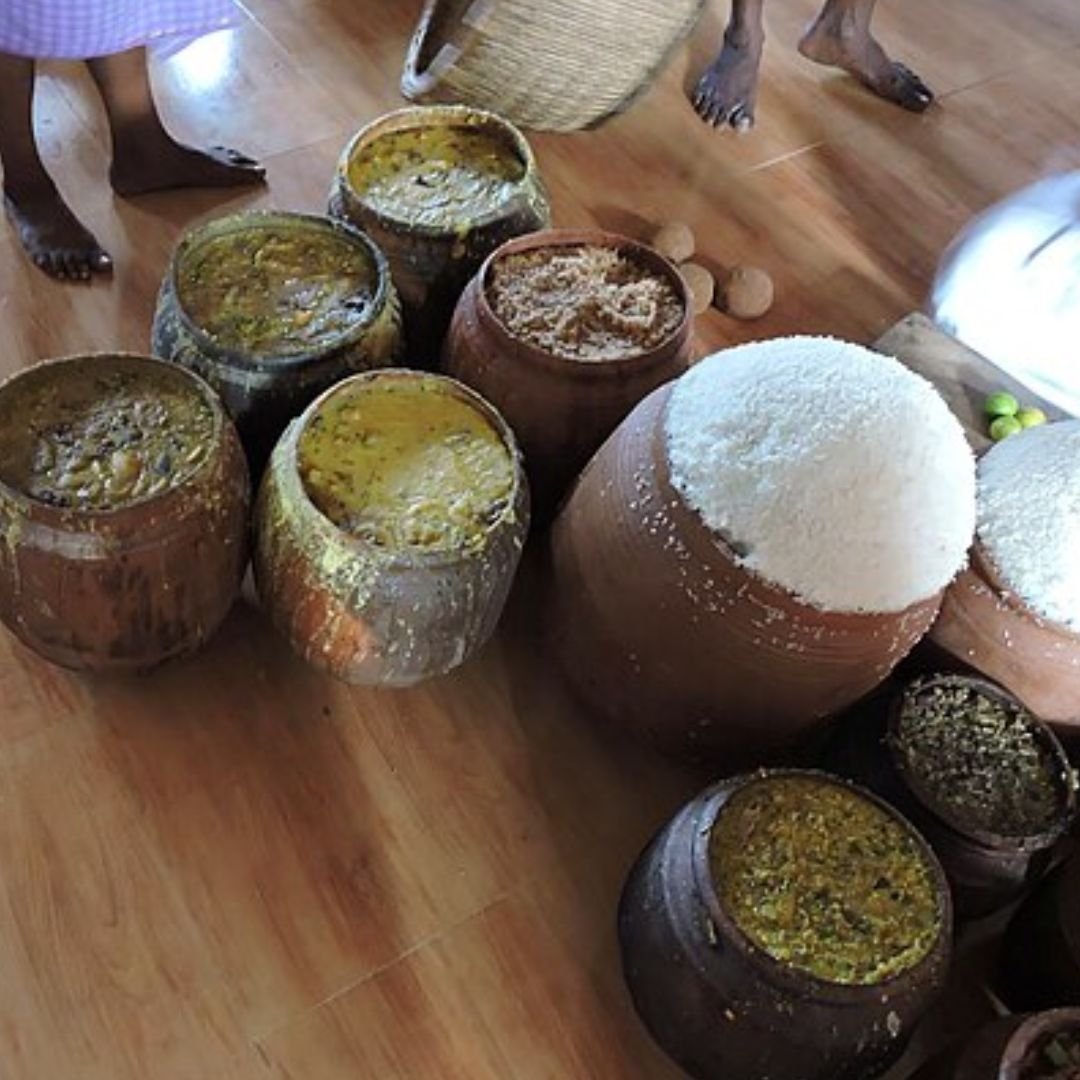
The Mahaprasadam at the Jagannath Puri Temple is never wasted and is never believed to fall short. (Image Source: Wikimedia Commons)
2. Goddess Lakshmi Is Believed To Oversee The Mahaprasad Preparation
According to legend, Goddess Lakshmi herself oversees the food prepared in the divine kitchen of Jagannath Puri Dham. She is believed to be present here in an invisible form. An old belief also holds that if a mistake is made or the food becomes impure while cooking, a mysterious dog called Kuta Maicha appears near the kitchen. If the dog is seen, all the food is immediately buried in the ground and a new offering is made.
Recommended For You




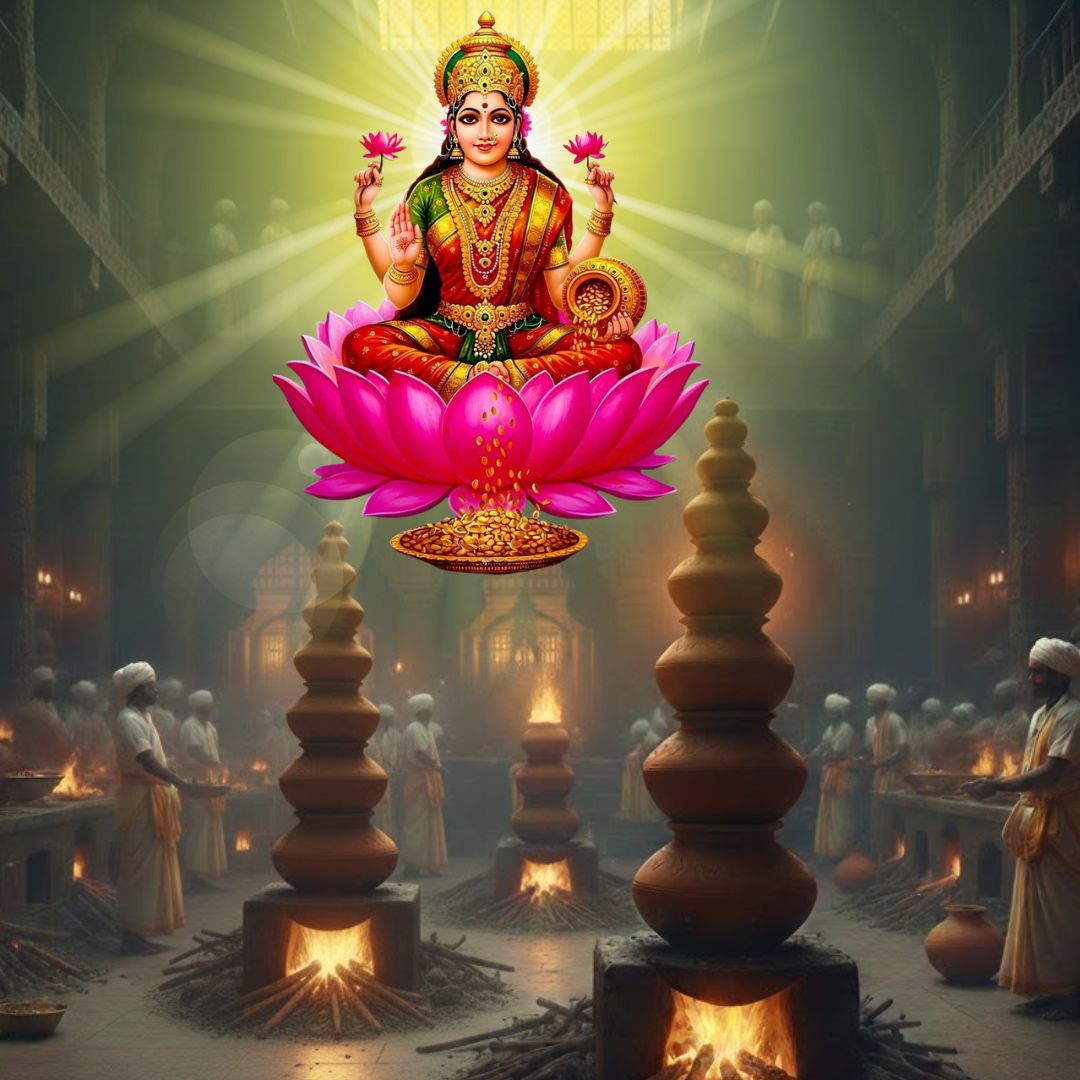
It is said that Mata Lakshmi herself oversees the preparations of the Mahaprasadam for Jagannath Mahaprabhu. (Image Source: Gemini AI)
3. The Unique Miracle Of The Seven Cooking Pots
The cooking method in the kitchen of Jagannath Puri Temple defies the laws of science. Seven clay pots are stacked on the stove, one above the other. Surprisingly, the food in the pot on top (farthest from the fire) cooks first. The food in the pot below it cooks next, and the food in the bottom pot, directly above the fire, cooks last. This remains an unsolved mystery even today.
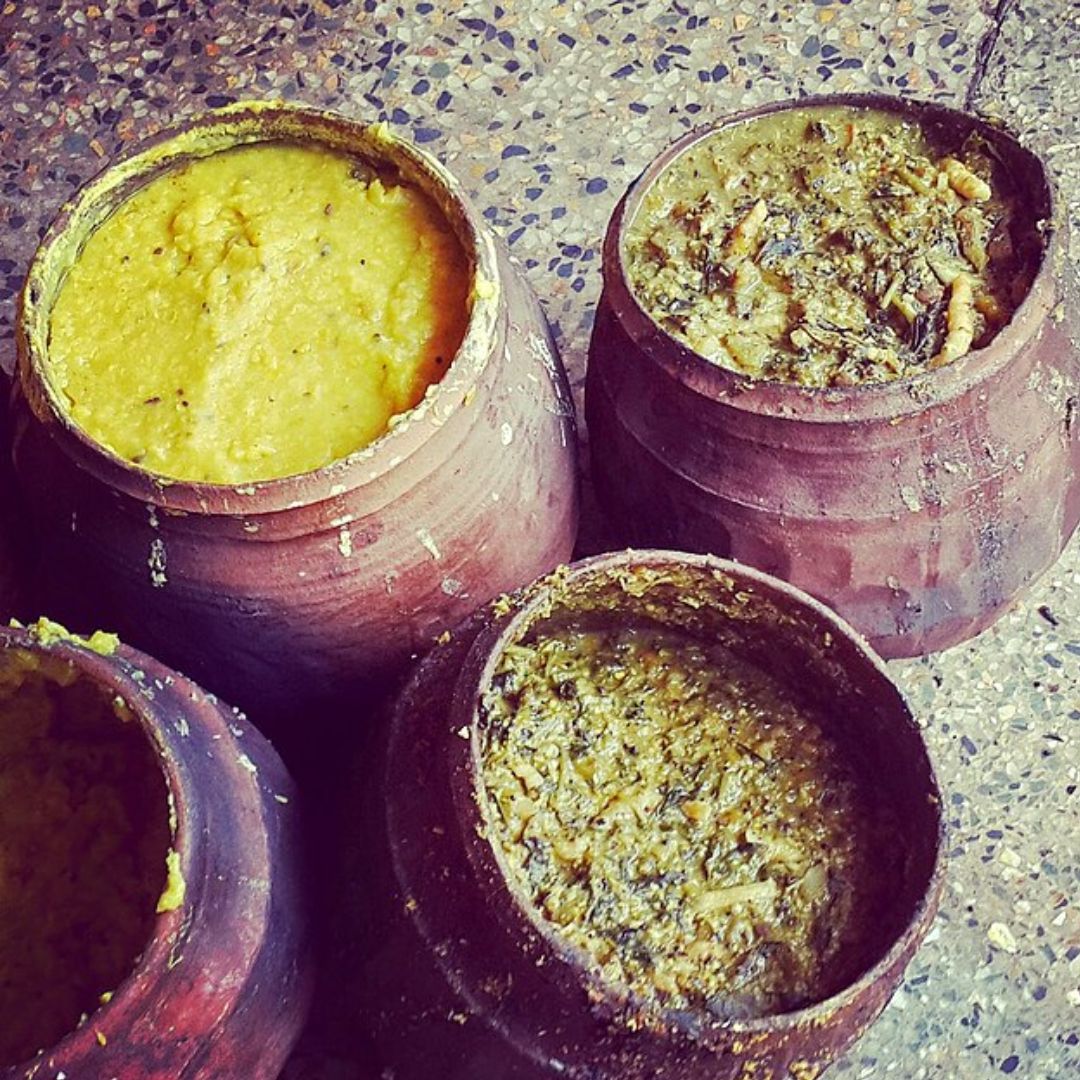
The Mahaprasadam cooking method in the divine kitchen of the sacred abode of Lord Jagannath defies the laws of science. (Image Source: Wikimedia Commons)
4. Water From Ganga-Yamuna Wells Is Only Used To Prepare Mahaprasad
Water from outside the temple is not used to prepare the Mahaprasad. Within the temple complex are two special wells, called Ganga and Yamuna. The water in these wells has never dried since centuries. The offerings made for the deity are only prepared through water drawn from these wells. This water is said to possess divine properties that impart Mahaprasad with a distinct flavour and fragrance.
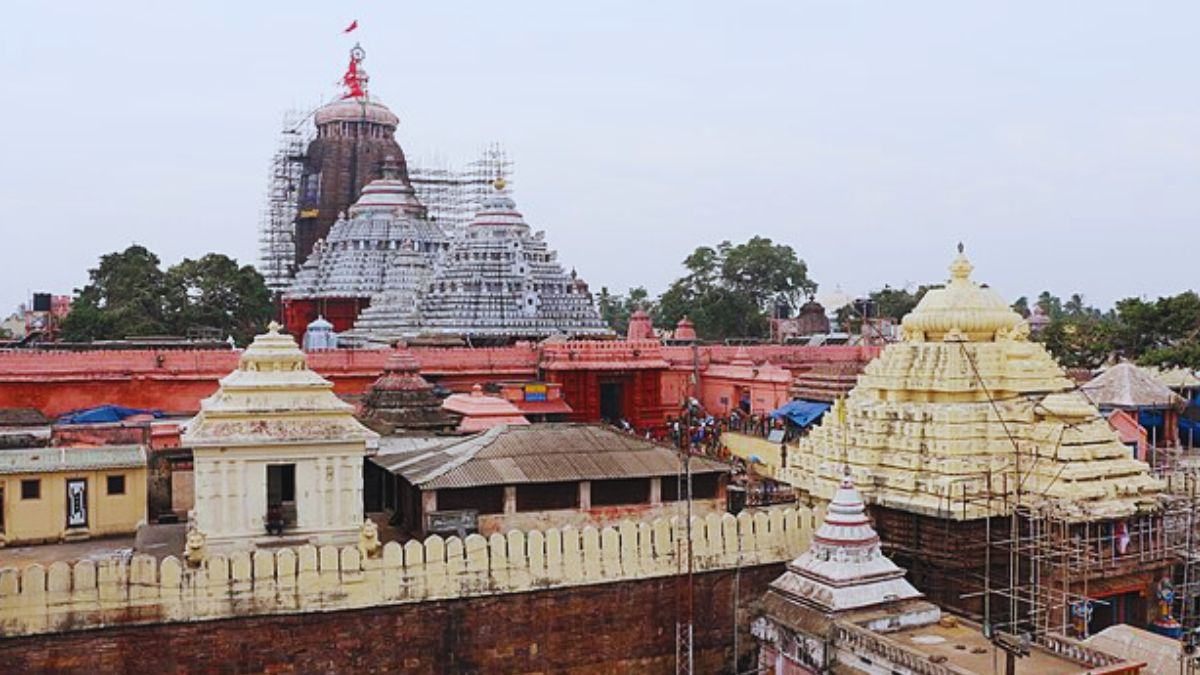
There are two wells in the Jagannath Puri Temple called Ganga and Yamuna. Water from these two wells is only used to prepare Mahaprasadam for Mahaprabhu. (Image Source: Wikimedia Commons)
5. Special Invisible Aroma Of Mahaprasad That Only Emits When Offered To Jagannath Mahaprabhu
Another very surprising thing is the aroma of Mahaprasadam! While the food is cooking in the kitchen, there is a lot of steam, but the food doesn't have any special aroma or flavour. However, as soon as the food is taken to Lord Jagannath for the Bhog offering, it suddenly emits a divine and wonderful fragrance that spreads far and wide. Devotees say that it is Mahaprabhu’s blessing that makes even simple food so fragrant.
So dear readers, these are the unique secrets of the Jagannath Temple kitchen that truly amaze us. These facts make us realise that even science sometimes falls short in the face of faith. Would you ever want to have the good fortune to taste the Mahaprasad here? Do let us know!
For more such stories, stay tuned to The Daily Jagran!