

- By Dr Sadhana Kala
- Fri, 12 Jun 2026 11:26 AM (IST)
- Source:JND
"Child labour and poverty are inevitably bound together." — Grace Abbott
World Day Against Child Labour, on June 12, serves as a global reminder that millions of children around the world continue to be deprived of their basic rights, education, safety, and childhood due to child labour.
Established by the International Labour Organization (ILO) in 2002, the day seeks to raise awareness about the prevalence of child labour and mobilise governments, businesses, communities, and individuals to eliminate it.
Despite significant progress over the past two decades, child labour remains a pressing global challenge. International estimates indicate that millions of children continue to engage in work that harms their physical and mental development. While poverty remains a major driver, factors such as a lack of access to education, social inequality, conflict, migration, and economic instability continue to push children into labour.
Understanding Child Labour
Not all work done by children is classified as child labour. Helping parents with household chores, assisting in a family business for a few hours, or taking up age-appropriate jobs that do not interfere with schooling can contribute positively to a child's development.
Child labour, however, refers to work that deprives children of their childhood, dignity, and potential. Child labour includes activities that are mentally, physically, socially, or morally dangerous or harmful, as well as work that interferes with a child's education by preventing school attendance or forcing children to balance school with excessively long working hours.
Recommended For You





The worst forms of child labour include slavery, trafficking, forced labour, recruitment of children for armed conflict, commercial sexual exploitation, and hazardous work that exposes children to dangerous environments or substances.
The Global Reality
Child labour exists across continents and in various economies. It is most prevalent in sectors such as agriculture, manufacturing, mining, construction, domestic work, and informal services. Many children work long hours in unsafe conditions, often for little or no pay.
The COVID-19 pandemic further highlighted the vulnerabilities faced by children. School closures, job losses among parents, and economic disruptions increased the risk of children entering the workforce. Countries have resumed economic recovery efforts, but vulnerable families continue to feel the long-term impact.
Global organisations have repeatedly warned that unless stronger action is taken, the world may struggle to achieve its goal of ending child labour in all its forms.
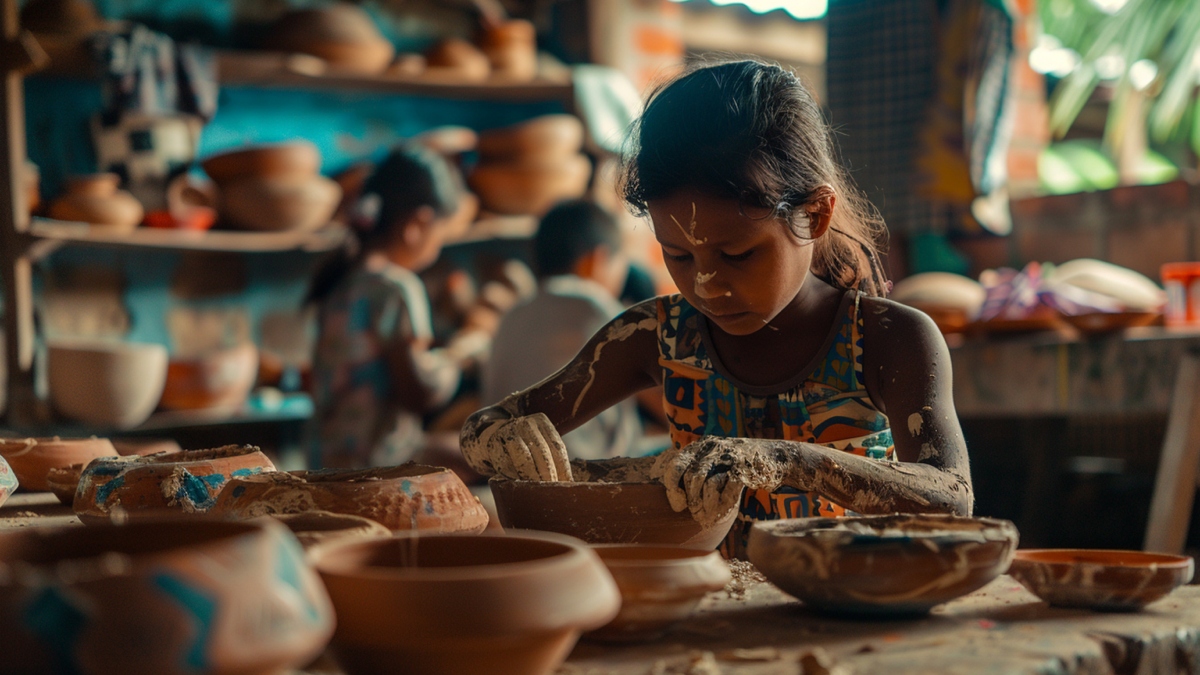
Child labour refers to work that deprives children of their childhood, dignity, and potential (ImageLMagnific)
Child Labour in India
India has made notable progress in reducing child labour through legislative reforms, educational initiatives, and social welfare programmes. Laws prohibit the employment of children below a certain age in hazardous occupations, while government schemes encourage school enrolment and retention.
Programmes such as the Right to Education Act, midday meal schemes, scholarship initiatives, and awareness campaigns have played an important role in keeping children in classrooms rather than in the workplace.
However, challenges persist. Child labour remains visible in sectors such as agriculture, small-scale manufacturing, domestic work, roadside businesses, and informal enterprises. Economic hardship, migration, and limited access to quality education in some regions continue to increase children's vulnerability.
Experts argue that enforcement of laws alone is not enough. Sustainable solutions require addressing the root causes that push families to depend on children's earnings.
ALSO READ: Which Are The Top 10 Worst Countries For Child Labour?
Why Education Remains the Strongest Solution
Education is widely recognised as one of the most effective tools for preventing child labour. When children attend school regularly and receive quality education, their chances of escaping poverty improve significantly.
Schools do more than provide academic knowledge. They offer safe environments, social support, nutrition programmes, and opportunities for personal growth. For many vulnerable children, schools act as a protective shield against exploitation.
Investing in education also benefits societies and economies. An educated population contributes to higher productivity, innovation, and economic growth. Conversely, child labour perpetuates cycles of poverty by limiting future opportunities for children.
Ensuring universal access to education requires investments in infrastructure, teacher training, digital learning, and support systems that help children remain in school, especially in underserved communities.
The Role of Governments, Businesses and Communities
Ending child labour requires collective responsibility.
Governments play a crucial role through legislation, enforcement mechanisms, social protection programmes, and educational policies. Strong labour inspections and accountability systems can help identify and address violations.
Businesses must ensure that their supply chains are free from child labour. Increasingly, consumers expect companies to adopt ethical sourcing practices and maintain transparency regarding labour standards.
Communities and civil society organisations are equally important. Local awareness campaigns, child protection networks, and grassroots initiatives can help identify at-risk children and connect families with support services.
Parents and carers also need access to economic opportunities, financial assistance, and social security measures that reduce dependence on child income.
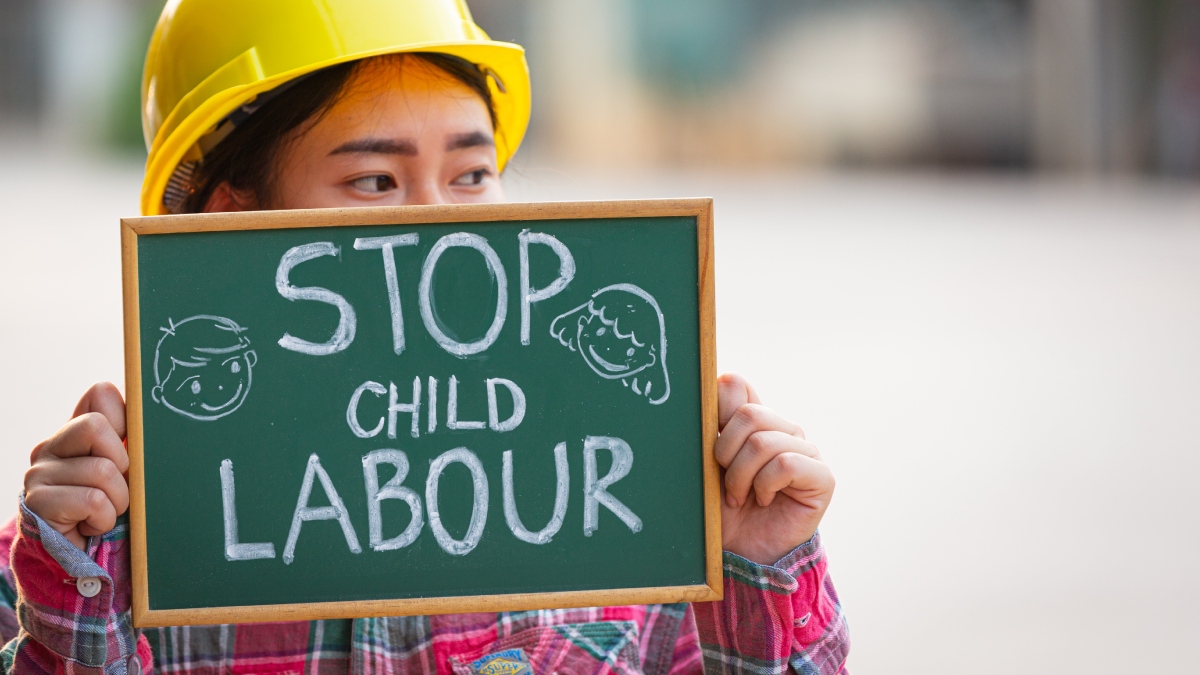
Education is widely recognised as one of the most effective tools for preventing child labour. (Image:Magnific)
What Individuals Can Do
Many people believe child labour is a problem too large for individuals to influence. However, small actions can make a meaningful difference.
Consumers can support brands and products that follow ethical labour practices. Citizens can report suspected cases of child labour to local authorities or child protection agencies. Volunteering with organisations that work for children's rights and supporting educational initiatives can also contribute to long-term change.
Perhaps most importantly, people can challenge social attitudes that normalise child labour. Every child seen working in unsafe conditions represents not only an individual tragedy but also a collective failure to protect childhood.
A Future Where Every Child Can Dream
World Day Against Child Labour is not merely a date on the calendar. It is a call to action. Behind every statistic is a child with aspirations, talents, and dreams waiting to be realised.
The vision of a world free from child labour is achievable, but it requires a sustained commitment from governments, businesses, communities, and individuals. Progress made over the years demonstrates that change is possible when societies prioritise children's rights and well-being
As the world observes World Day Against Child Labour 2026, the message remains clear: children belong in classrooms, playgrounds, and safe homes—not in factories, fields, mines, or hazardous workplaces.
Protecting childhood is not just a moral obligation; it is an investment in a more equitable, prosperous, and compassionate future. Every child deserves the opportunity to learn, grow, and dream without the burden of labour. The responsibility to make that future a reality belongs to all of us.
(Note: Dr (Prof) Sadhana Kala is a USA-trained robotic & laparoscopic surgeon, Uppsala University, Sweden, trained fertility specialist, Icon Endoscopic Surgeon of North India, and National Icon Endoscopic Surgeon of India. She is rated as India's Best Gynecologist by Google.)
(Disclaimer: The views expressed in this article are the personal opinions of the author.)