

- By Dr Sadhana Kala
- Wed, 03 Jun 2026 08:44 AM (IST)
- Source:JND
Cycling for a Greener Future
World Bicycle Day, June 3, is more than a celebration of a simple mode of transport. It is a reminder of how one of humanity's most enduring inventions continues to shape healthier lifestyles, cleaner cities, and more sustainable futures.
In an era dominated by electric vehicles, ride-hailing apps, and increasingly congested urban roads, the humble bicycle remains remarkably relevant. Affordable, accessible, environmentally friendly, and beneficial for physical and mental well-being, cycling has emerged as a powerful solution to many of the challenges facing modern societies.
As the world marks World Bicycle Day 2026, it is worth reflecting on the enduring value of two wheels and the role bicycles can play in building greener, healthier communities.
The Story Behind World Bicycle Day
The United Nations General Assembly formally declared June 3 as World Bicycle Day in 2018, recognising the bicycle as a simple, affordable, reliable, clean, and environmentally sustainable means of transportation.
The resolution highlighted the bicycle's contribution to fostering sustainable consumption and production, promoting health, enhancing education, and facilitating social inclusion. Since then, governments, advocacy groups, schools, and cycling communities worldwide have used the day to encourage cycling and raise awareness about its benefits.
The bicycle's history stretches back more than two centuries, yet its core purpose remains unchanged: helping people move efficiently and independently. What has evolved is our understanding of how profoundly cycling can impact public health, urban planning, and climate action.
Recommended For You




A Health Revolution on Two Wheels
One of the strongest arguments for cycling is its contribution to physical health. Cycling is a low-impact aerobic exercise that improves cardiovascular fitness, strengthens muscles, enhances flexibility, and boosts overall endurance.
Unlike many forms of exercise that require memberships, specialised equipment, or dedicated facilities, cycling can be integrated into daily life. A commute to work, a ride to the market, or an evening spin around the neighbourhood can all help meet recommended physical activity levels.
Studies have consistently shown that regular cycling reduces the risk of heart disease, obesity, diabetes, and certain types of cancer. It also supports mental health by reducing stress, improving mood, and increasing overall well-being.
In a world where sedentary lifestyles have become increasingly common, bicycles offer a practical and enjoyable way to stay active.
ALSO READ: World Bicycle Day 2025: Top 10 Countries With Highest Bicycle Users

As the world marks World Bicycle Day 2026, it is worth reflecting on the enduring value of two wheels (Image:Magnific)
The Environmental Advantage
Climate change remains one of the defining challenges of the 21st century. Transportation accounts for a significant share of global greenhouse gas emissions, making sustainable mobility solutions more important than ever.
Bicycles produce zero direct emissions. They require fewer resources to manufacture than motor vehicles and occupy significantly less road and parking space. Every bicycle trip instead of a car helps reduce fuel consumption, air pollution, and carbon emissions.
For rapidly urbanising countries like India, promoting cycling can be an effective strategy to address multiple challenges simultaneously—from reducing traffic congestion to improving air quality.
Cities around the world are increasingly investing in cycling infrastructure, including dedicated bike lanes, bicycle-sharing programs, and safer streets designed for cyclists and pedestrians. These initiatives demonstrate how urban planning can encourage sustainable transportation choices.
Cycling in India: Opportunities and Challenges
India has a long relationship with bicycles. For decades, bicycles have been a primary mode of transport for students, workers, and families across urban and rural areas alike.
However, economic growth and rising vehicle ownership have led to a decline in cycling in many cities. Concerns about road safety, inadequate cycling infrastructure, and increasing traffic congestion have discouraged many people from using bicycles for daily travel.
Yet there are signs of change.
The COVID-19 pandemic sparked renewed interest in cycling as people sought safe outdoor exercise and alternative modes of transportation. Cycling clubs witnessed growing participation, bicycle sales surged, and many cities began exploring dedicated cycling corridors.
Initiatives in cities such as Delhi, Bengaluru, Pune, and Chennai have demonstrated the potential for cycling-friendly infrastructure. Experts argue that improving road safety and creating connected cycling networks could encourage more people to choose bicycles for short-distance trips.
Given that a significant proportion of urban journeys are under five kilometers, cycling presents a viable and sustainable alternative for millions of commuters.
More Than Transport: A Tool for Social Inclusion
The bicycle is often called the world's most democratic vehicle—and for valid reasons.
Unlike many forms of transport, bicycles are relatively affordable and accessible. They can help bridge mobility gaps for students travelling to school, workers commuting to jobs, and communities with limited access to public transport.
In many developing regions, bicycles have played a transformative role in improving educational outcomes, healthcare access, and economic opportunities. For women and girls, access to bicycles has often translated into greater independence and freedom of movement.
World Bicycle Day also serves as an opportunity to recognise cycling's role in promoting equity and inclusion. By investing in safe and affordable cycling infrastructure, cities can create mobility systems that serve a wider range of people.
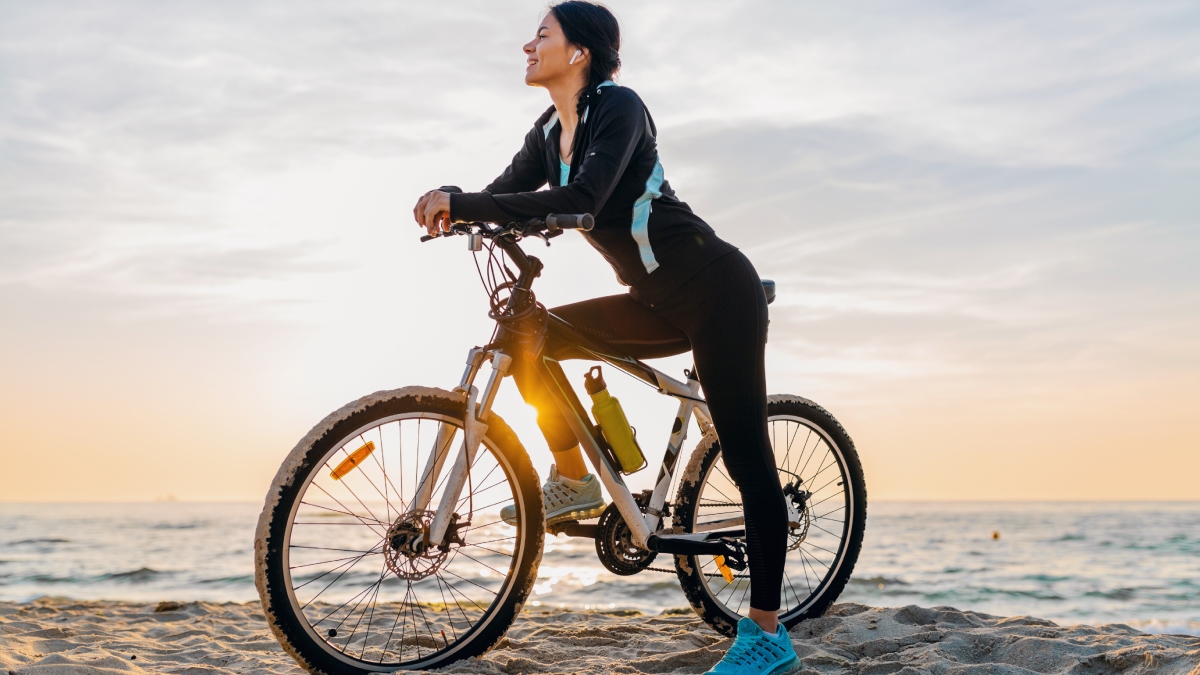
The bicycle is often called the world's most democratic vehicle (Image: Magnific)
The Rise of Recreational Cycling
Beyond commuting, cycling has become a popular recreational and fitness activity.
Across India, cycling groups regularly organise weekend rides, endurance challenges, and awareness campaigns. Scenic cycling routes through hills and forests, along coastal roads, and to heritage destinations have attracted both amateur riders and serious enthusiasts.
The rise of social media has also helped create vibrant cycling communities where riders share experiences, training tips, and inspiring stories. For many, cycling is no longer just about reaching a destination—it is about exploration, adventure, and personal achievement.
This growing culture reflects a broader shift toward healthier and more active lifestyles.
Building Bicycle-Friendly Cities
For cycling to thrive, infrastructure matters.
Research consistently shows that people are more likely to cycle when roads feel safe. Protected bike lanes, traffic-calming measures, secure parking facilities, and integration with public transport can significantly increase cycling adoption.
Global examples of successful cycling ecosystems often include cities like Copenhagen and Amsterdam. Their experiences demonstrate that sustained investment and policy support can transform urban mobility patterns.
Indian cities may face unique challenges, but the principle remains the same: creating safer streets encourages more people to cycle.
As governments pursue climate goals and urban sustainability targets, cycling should be viewed not merely as an individual choice but as a public policy priority.
ALSO READ: Which Day Is Today (3rd June)? World Bicycle Day’s Significance, History And More
A Simple Solution for a Complex Future
The bicycle may seem like a modest invention, but its impact is extraordinary.
It supports healthier individuals, cleaner environments, more liveable cities, and inclusive mobility systems. It offers freedom, independence, and an affordable means of transportation for people across social and economic backgrounds.
On World Bicycle Day 2026, the message is clear: the bicycle is not a relic of the past but a vital part of the future.
As cities grapple with congestion, pollution, and climate concerns, the solution may not always require complex technologies or expensive infrastructure. Sometimes, it can be as simple as two wheels, a frame, and the decision to ride.
This World Bicycle Day, whether it's a daily commute, a fitness ride, or a leisurely cycle through your neighbourhood, every pedal stroke is a small step toward a healthier person and a more sustainable planet.
(Note: Dr (Prof) Sadhana Kala is a USA-trained robotic & laparoscopic surgeon, Uppsala University, Sweden, trained fertility specialist, Icon Endoscopic Surgeon of North India, and National Icon Endoscopic Surgeon of India. She is rated as India's Best Gynecologist by Google.)
(Disclaimer: The views expressed in this article are the personal opinions of the author.)