

- By Ridam Sharma
- Wed, 03 Jun 2026 04:16 PM (IST)
- Source:JND
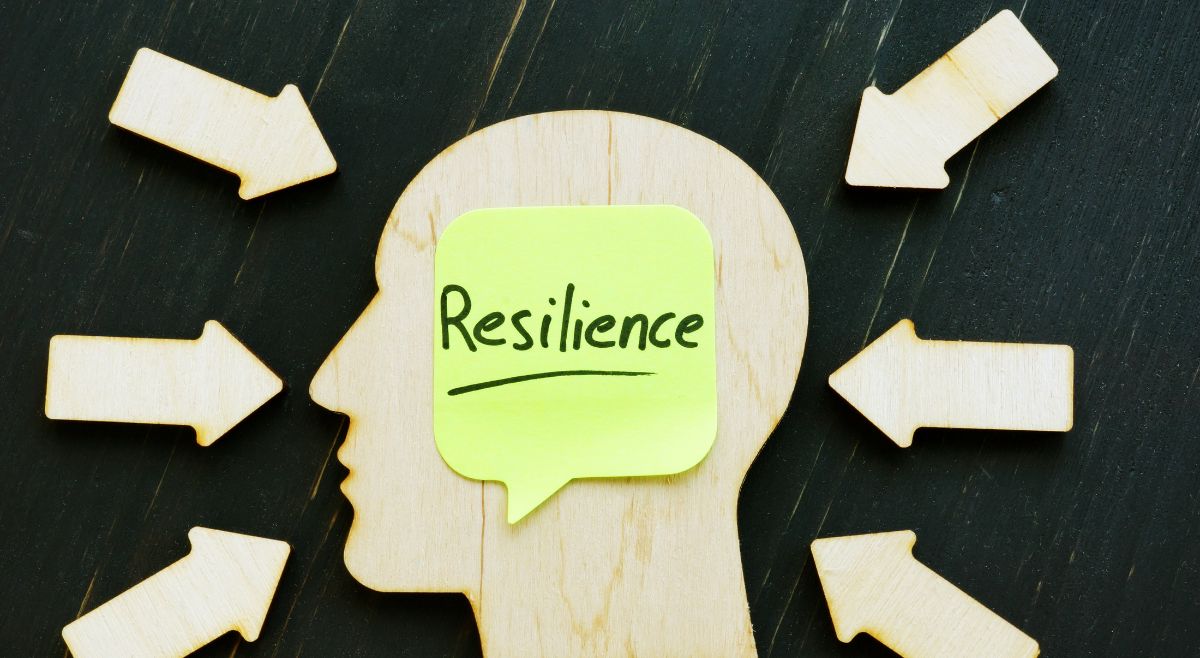
Psychological Ways for Mental Resilience: In a fast-paced world, where everybody is in a race, mental health takes a back seat. To prepare yourself for bad and good days, it is important to build mental resilience. The ability to adapt, recover, and grow stronger during times of crisis not just teaches you the right way to deal with problems, but also make your mentally strong.
Mental resilience is not just about learning to feel not stressed, but more about bouncing back stronger and a better version of yourself. Dealing with problems with more wisdom and sensibility, which won’t take a toll on you, emotionally or physically.
How To Build Mental Resilience?
Learning the art of mental resilience is especially important for Gen Z, as they are the cornerstone of rapid social change, information overload, and high comparison pressure. In a modern, digital world, resilience is a skill. Therefore, here are six psychological ways to build mental resilience.
Recommended For You





1. Perspective Shift
Shift your perspective, which is also known as cognitive reframing, means changing the mindset you see a situation with. Change your negative thoughts into positive, for example, instead of seeing it as you failed in a thing, make sure you know what didn’t work out. Constant comparison makes setbacks feel like the worst things in the world. Therefore, reframing reduces emotional intensity and encourages problem-solving.
2. Challenge Yourself
Purposefully make daily challenges for you, like small stressors to build tolerance, which is also called graded exposure. However, avoiding everything that triggers anxiety short-circuits growth. Small, repeated exposures build confidence. Start with weekly tiny challenges like speaking up in class, or cold-message a creative collaborator and many more like these.
3. Make Connections
Intentional relationships and boundaries that offer emotional support without draining you really make a big difference. Online connections are powerful but can also feel empty at times. Therefore, find your tribe online and offline that believes in you and supports you in hard times and cheers in your wins. Find your people and be a good friend to them, keep a check on them and share a bond.
ALSO READ: 10 Psychological Facts About Gen Z Mental Health
4. Have A Routine
Daily rituals that make you feel that your life is in your control help. These everyday routines stabilise mood and cognition, like sleep, movement, and mindfulness. When life becomes chaotic, anchors create predictability and conserve mental energy. To maintain a small routine, just begin with one small habit like a 5-minute morning stretch, an hour of screen detox before sleeping, and a consistent bedtime. The loophole is to keep habits realistic; consistency beats intensity.
5. Self-Compassion
Treating yourself with kindness. Don’t be harsh on yourself when things go wrong. Most people are so strict with themselves, which leads to burnout or procrastination. However, not many people know that self-compassion reduces shame and boosts motivation.
6. Learn To Manage Your Emotions
At times of extreme emotions, like anger, stress, and frustration, many people lose their minds. In such situations, it is important to pause and be aware of the fact that why you are reacting the way you are, what is triggering and then strategically tame your reaction, as per triage situation.
6 Psychological Ways To Build Resilience:
| Psychological Ways | How To Apply Them In Daily Life? |
| Perspective Shift | Start the morning with a positive mindset. |
| Have A Routine | Walk/Stretch/Yoga, Skincare, or Self-Care. |
| Self-Compassion | Affirm Good Things About Yourself. |
| Challenge Yourself | Make A Plan For Yourself, Small-Tiny Tasks. |
| Learn To Manage Your Emotions | In Anger Or Frustration, Don’t Act Impulsively; Think And Then Deal. |
| Make Connections | Keep A Check On Supportive Relationships. |
Each of these strategies involves cognitive perspective shifts, like reframing, cognitive flexibility with behaviours like challenging yourself and building a routine. The list also includes social tools like building a safety net and self-compassion. Together, each of these psychological ways reduces the intensity of stress, increases adaptive habits, and creates a social net, which is a perfect recipe to build resilience.
Lastly, become a better version of yourself, pick two strategies this week, track them and reflect weekly, what felt doable, what didn’t, and why. Over time, small, consistent habits will create a mindset of mentally resilient habits that will help you conquer your dreams and build a better life for yourself.