
- By Ridam Sharma
- Wed, 13 May 2026 02:12 PM (IST)
- Source:JND
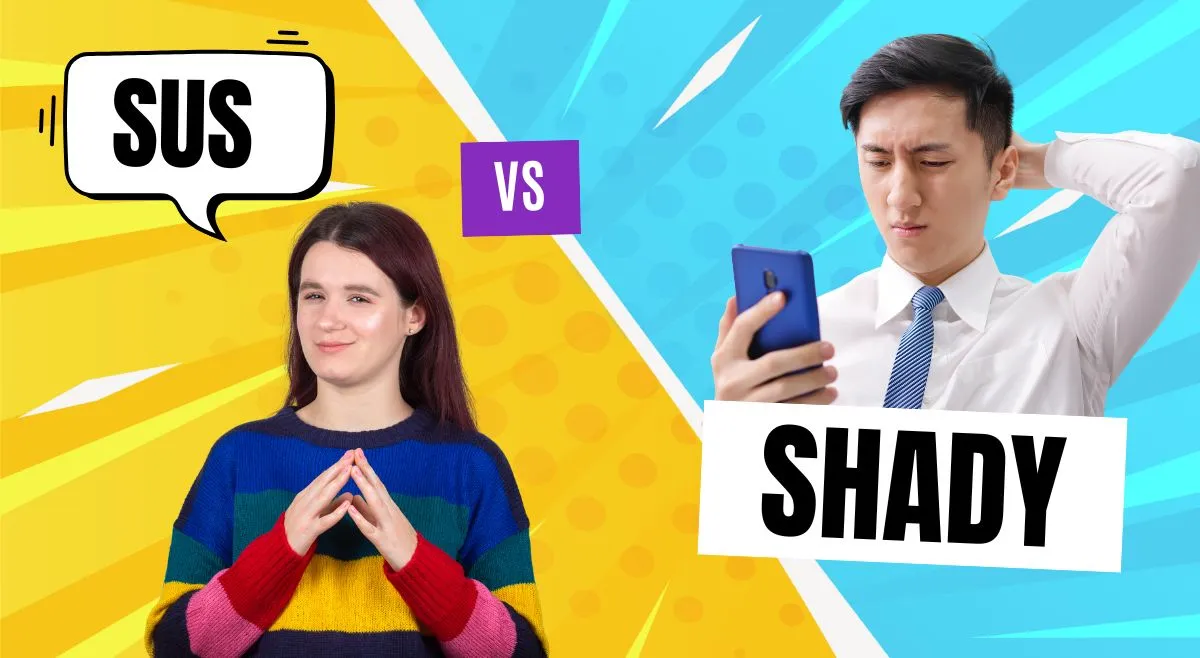
Sus vs Shady: Over the years, the Internet, especially social media platforms, has popularised the slang language. Slangs are nothing but words and expressions used in a very informal local language that are more common in spoken language. Today, the slang words in attention are ‘sus’ and ‘shady’, which people often misinterpret as a common word for ‘untrustworthy’ or around it.
Difference Between 'Sus' And 'Shady':
However, contrary to popular belief, 'sus' and 'shady' are not the same words, nor the synonyms in tone, weight, or nuance. Confusing both terms, and using them without proper context might put you in a problem or a topic of laughter. Therefore, let’s take a closer look at both terms and find out what makes the term 'sus' different from 'shady.' The following explanation will be helpful to you.
What Is Sus?
'Sus' is a slang abbreviation for the word 'suspicious.’ Gen Z usually use the word when they feel the friend is lying, or something just does not feel right, or maybe a little misleading.
Gen Z usually use the term in a meme context or in a teasing way. For example, friends usually, during a playful banter, call out, ‘'that outfit is sus' or subtly warn a friend about a product, a post, or a person behaving weirdly.
Recommended For You




Why The Name 'Sus': As mentioned above, the word Sus is a slang abbreviation of Suspicious, which means doubtful, unsure, or dubious.
On the internet, sus is not much of a cautionary word, but points to doubt or potential sketchiness towards a thing, not a confirmed crime or deep moral judgment. The word is used very informally among the young generation.
Sus is more like, 'I’m not sure about this' than 'this person is evil.'
What is Shady?
'Shady' is more old-fashioned slang than sus, and is widely used when people feel that things are not transparent, ethically cloudy, or quietly dishonest. People generally use the word to call out a deal, brand, or a particular person’s behaviour ‘shady.
The slang word ‘shady’ is also used many times in a context of a whiff of manipulation, hidden motives, or sometimes borderline‑illegal vibes.
ALSO READ: Slay vs Serve: Which Slang Term Fits Better And How To Use Them?
The internet’s one of the famous slang terms is often about actions or situations (a shady contract, a shady brand partnership) rather than just a vague feeling.
The major thing about the two terms is that 'sus' and 'shady' are so popular that they are still understandable outside youth slang and may pop up in semi‑formal conversations.
Why The Name 'Shady': The word ‘Shady’ has metaphoric symbolism with darkness and shadow, stemming from the idea of acting in the shadows rather than in the light. So, that person is shady.
Quick Comparison: Sus vs Shady:
| Slang Term | Core Idea | Typical use |
| Sus | 'This feels off' | A strange vibe, meme, product promo, odd post |
| Shady | 'This isn’t transparent' | Dodgy deal, misleading influencer collab, sketchy brand move |
When To Use ‘Sus’?
Use 'sus' when you’re flagging something iffy or questionable, but not necessarily morally terrible.
Example: 'This discount flash sale feels sus.'
Use 'shady' when something looks intentionally deceptive, glossed‑over, or quietly unethical.
Example: 'Not talking about terms and conditions beforehand, the brand's whole behaviour was shady.'
An important thing is that many people treat 'sus' and 'shady' interchangeably, but both terms hold different tones and contexts. If you use ‘sus’ and ‘shady’ for the same emotion, you might end up making every accusation feel shallow, even when the situation is genuinely unethical or manipulative.
ALSO READ: Ghosting vs Breadcrumbing: What Hurts More In Gen Z Dating?
Additionally, saying someone shady in a joke might offend them, because the term holds a heavier connotation of dishonesty or hidden risk. Lastly, remember that sus is used for doubt, while shady is used for deeper sketchiness. Understanding the terms now, you won’t sound too unserious or too dramatic.