
- By Ridam Sharma
- Tue, 12 May 2026 11:41 PM (IST)
- Source:JND
How To Pick Safe Watermelon? The summer season is truly incomplete without the hydrating and sweet watermelon. However, the recent incidents of watermelon being injected with chemicals to make it sweet and big, causing health hazards, are surrounding the news. Making it necessary to pick a safe watermelon to feed your summer cravings.
However, before thinking about injections, ensure your watermelon is fresh. Therefore, here are 4 common ways to find out if your watermelon is fresh.
Is Your Watermelon Fresh?
1. A fresh watermelon feels heavy for its size because it consists of approximately 90 per cent water content.
2. Additionally, the surface of a healthy melon appears firm and smooth without any greasiness or excessive shine, which could be a sign of added polish.

A creamy yellow spot on the underside of the watermelon (called the “ground spot”), means your watermelon is real (Image Credit: Canva)
3. You can also inspect the field spot of the watermelon carefully. The spot underneath the bottom side of the fruit should have a cream or light orange/yellow colour. White or pale green colour indicates that the fruit was harvested prematurely.
4. Lastly, stay away from watermelons with bruises, holes, or deep cracks, as they may be infected with contaminants.
How To Pick Safe Watermelon: Detect Injection Traces
Watermelons injected with chemicals are not new; they are often injected with erythrosine-based food colouring agents or artificial sweeteners to improve their appearance and increase shelf life. Since vendors use needles or syringes for injecting watermelons, observe the following:
Recommended For You




- Little holes or 'needle' punctures on the surface of the rind, close to the stem or the blossom part.
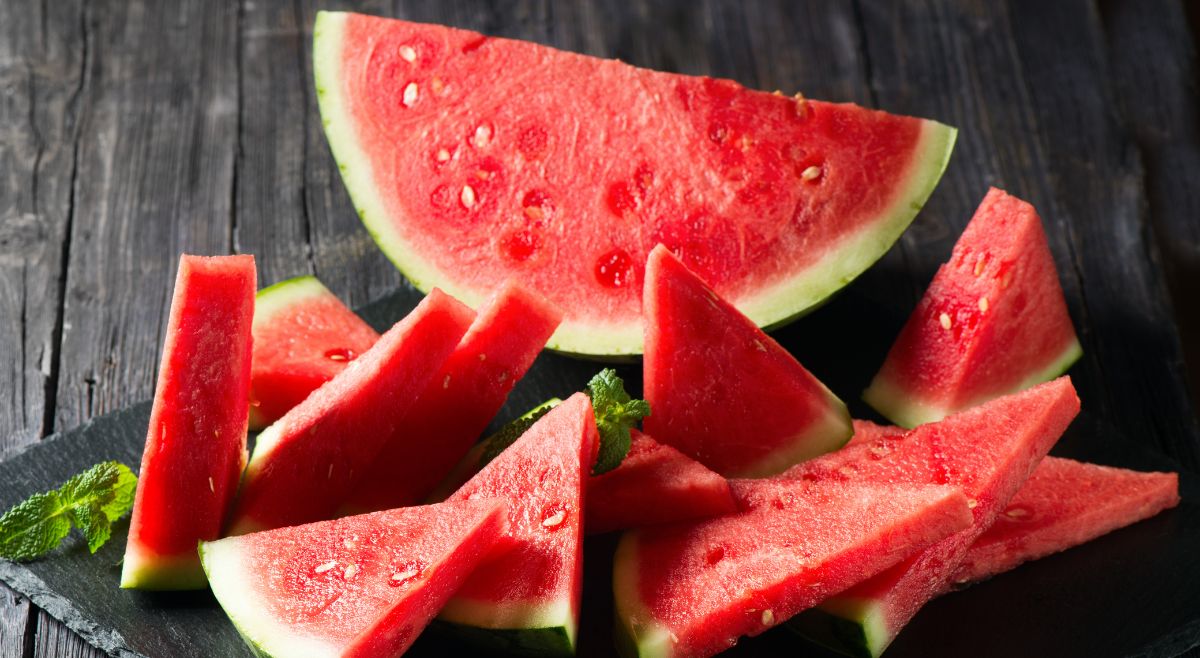
Pay Extra Attention To The Texture And Colour Of Your Watermelon (Image Credit: Canva)
- Unnatural cracks, breaks, or 'strange' scarring on one side, which might indicate that the chemicals were forcefully injected into that particular area.
- Patches that appear to be abnormally soft or spongy near hard areas, due to the weakening of the rind from injecting liquid.
If you observe anything like this, discard the melon.
Colour And Texture Check
The inside of a natural watermelon is rarely of the same intense red colour across the fruit. The inside of the fruit may vary slightly in shades, having some patches darker or lighter than the rest of it. When you notice a suspiciously bright colour that could almost seem to be plastic-red in appearance, there is a high chance that the fruit may be dyed artificially with erythrosine.
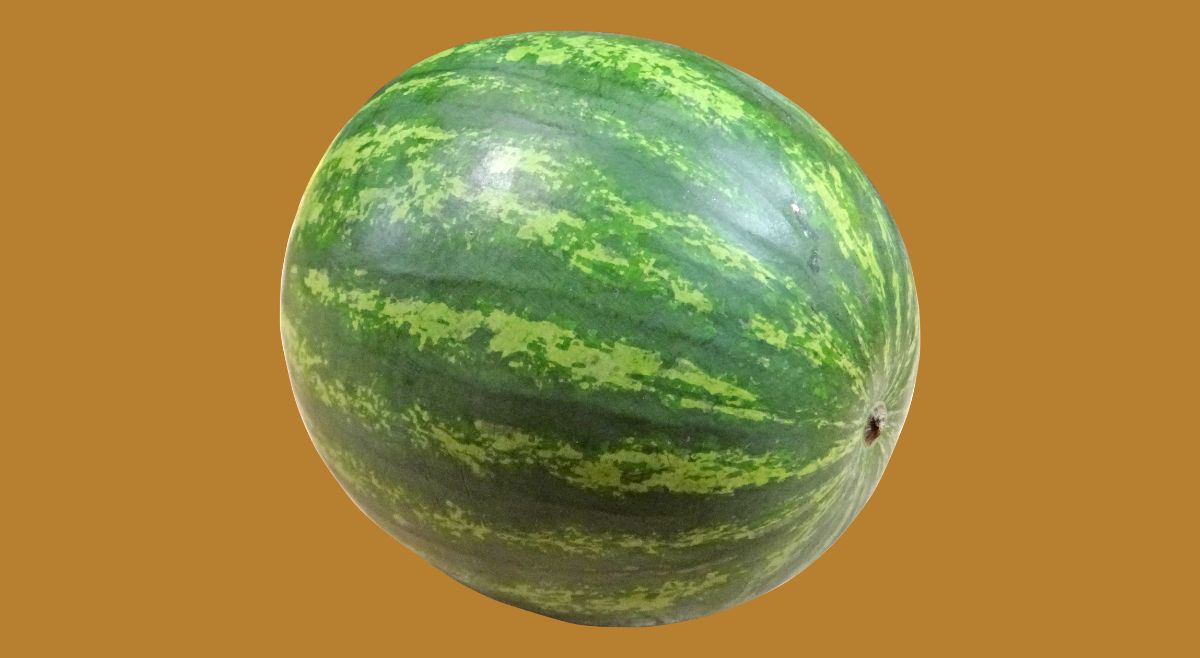
Look for a firm watermelon that is free from bruises, cuts or dents. (Image Credit: Canva)
Also, check the seeds. The seeds found in a healthy watermelon will be black or dark brown in colour and may appear slightly matte. Red-looking, glossy, or unnatural seeds can be indicative of artificial treatment of the watermelon.
Colour Test Of Watermelon:
Slice the melon, wipe the inside with a clean cotton ball or tissue:
- If the cloth remains white, your fruit is probably not adulterated.
- If it turns pink or red, artificial colouring was likely added, and you should not consume the fruit.
How To Test The Melon At Home For Dyes:
There are two simple tests that you can conduct at home if you suspect the presence of additives:
1. Water Test: Place a little bit of fruit into a glass with fresh water. If the liquid quickly changes colour to red or pink, an artificial colourant might be present.
2. Vinegar Test (optional): According to some sources, you can place a chunk of the melon into a glass with white vinegar.
These tests are not lab‑grade but can help you avoid suspiciously dyed watermelons.
ALSO READ: Papaya vs Watermelon: Which Is Better For Glowing Skin In Summer?
How To Pick The Ripest Natural Watermelon:
Once you’ve ruled out injection signs, focus on ripeness:
- Weight: Pick the heaviest melon for its size; it will usually be the juicier.
- Thump Test: Tap the melon gently with your knuckles. A deep, hollow 'thud' sound usually indicates ripeness, while a dull 'thump' or metallic 'plink' may mean under‑ or over‑ripeness.
- Field Spot: As mentioned above, a creamy yellow spot is a good sign; absent or white spots are not.
- Stem And Blossom End: A dry, slightly flaky stem area and a closed, dry blossom end are typical of a naturally ripened melon.
| Indicator | What it Means |
|---|---|
| Yellow patch (ground spot) | Ripened naturally on the ground |
| Web-like marks | Sweetness indicator (bee pollination scars) |
| Hollow sound | Ripe and juicy inside |
| Heavier than it looks | High water content (+90 per cent), good juiciness |
Smart Buying Habits For Safety:
Even with these checks, nothing beats buying from trusted vendors and shops. Prefer local sabziwalas or supermarkets that source directly from farmers or have clear storage and hygiene practices. Ask when the melons arrived and avoid pre‑cut pieces that sit open for hours unless you can see they are fresh and properly covered.
ALSO READ: Don’t Eat These Foods With Watermelon: It Could Ruin Your Digestion
If at any time you come across a watermelon with an odd appearance or flavour, with an extra sweet taste and chemical smell or texture, throw away the fruit and notify the vendors at your local food authorities.
Using a combination of inspecting the fruit’s outside appearance, doing some tests at home, and selecting good vendors, you can have tasty and safe watermelons throughout the summer.