

- By Dr Sadhana Kala
- Wed, 01 Apr 2026 11:21 AM (IST)
- Source:JND
People often overlook the simple act of walking in a world increasingly dominated by screens, sedentary routines, and fast-paced lifestyles. Yet, every year, National Walking Day arrives as a timely reminder that one of the most effective forms of exercise doesn’t require a gym membership, expensive equipment, or complicated routines. It only requires a pair of comfortable shoes and the willingness to take that first step.
Observed annually on the first Wednesday of April, National Walking Day encourages people of all ages to embrace walking as a daily habit. While it may seem modest compared to high-intensity workouts or trending fitness regimes, walking remains one of the most accessible, sustainable, and beneficial forms of physical activity.
The Power of a Simple Habit
Walking is often underestimated because of its simplicity. However, research consistently highlights its profound impact on overall health. A brisk 30-minute walk each day can significantly improve cardiovascular fitness, strengthen bones and muscles, enhance endurance, and help maintain a healthy weight.
Recommended For You





More importantly, walking supports heart health by reducing the risk of heart disease and stroke. It helps regulate blood pressure, improves circulation, and boosts good cholesterol levels. For individuals managing lifestyle-related conditions such as diabetes, walking can play a crucial role in controlling blood sugar levels.
But the benefits don’t stop at physical health. Walking is equally powerful for mental well-being. In today’s high-stress environment, even a short walk can reduce anxiety, improve mood, and enhance cognitive function. The rhythmic motion of walking, combined with exposure to fresh air and natural surroundings, acts as a natural stress reliever.
Walking in the Indian Context
In India, walking has traditionally been an integral part of daily life. From morning walks in neighbourhood parks to evening strolls after dinner, generations have relied on walking as both a social and health activity. However, rapid urbanisation, long work hours, and increased reliance on vehicles have significantly reduced everyday movement.
Cities like Delhi, Mumbai, and Bengaluru are witnessing rising cases of lifestyle diseases, many of which are linked to inactivity, such as obesity, diabetes, and cardiovascular issues. National Walking Day presents an opportunity to reconnect with a habit that was once deeply embedded in Indian culture.
Public spaces such as parks, walking tracks, and green corridors are becoming increasingly important. Initiatives that promote pedestrian-friendly infrastructure, safer sidewalks, and accessible public areas can encourage more people to incorporate walking into their routines.
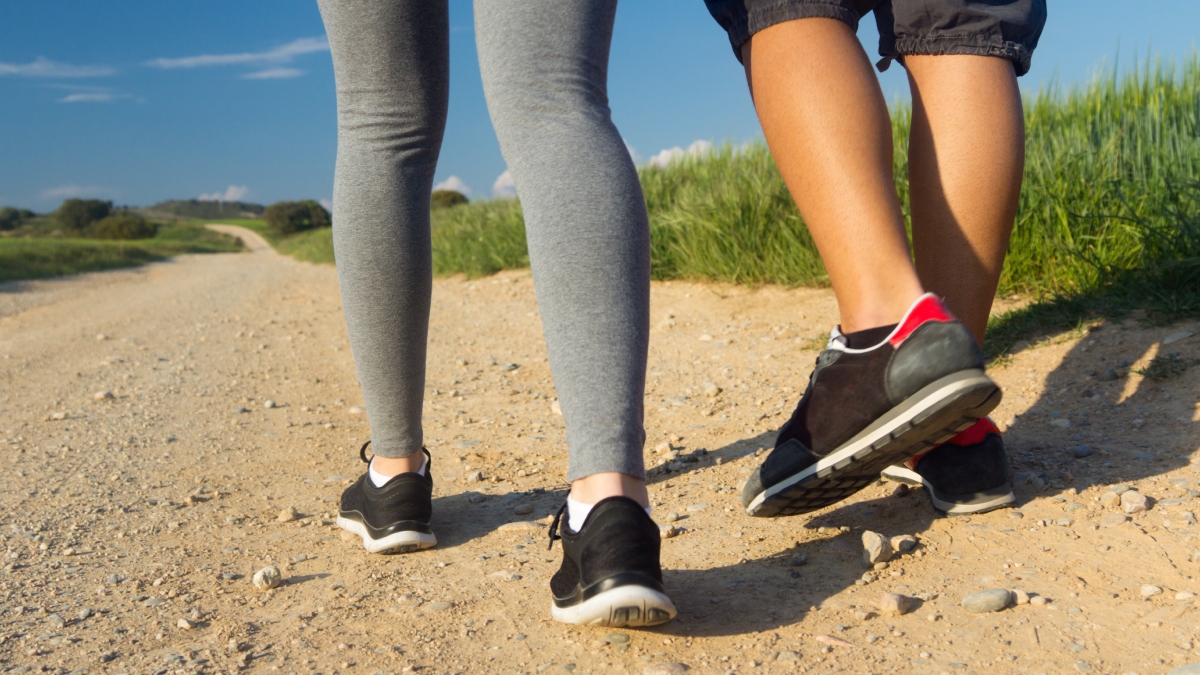
National Walking Day encourages people of all ages to embrace walking as a daily habit (Image:Freepik)
Walking as an Equaliser
One of the most remarkable aspects of walking is its inclusivity. Unlike many forms of exercise, walking does not discriminate based on age, fitness level, or socioeconomic background. Whether you are a student, a working professional, or a senior citizen, walking is an activity that everyone can participate in.
It also requires minimal investment. A good pair of shoes and a safe route are often all you need. This feature makes walking an ideal starting point for those who may feel intimidated by structured fitness programs.
For beginners, starting small is key. Even a 10-minute walk can make a difference. Gradually increasing the duration and pace can lead to long-term benefits without overwhelming the body.
Making Walking a Lifestyle
The true impact of National Walking Day lies not in a single day of activity, but in inspiring a long-term commitment. Integrating walking into daily routines can be both practical and enjoyable.
Simple changes can make a big difference. Choosing to walk short distances instead of driving, taking the stairs instead of the elevator, or scheduling walking meetings are easy ways to stay active. For those working from home, setting reminders to take short walking breaks can help counter prolonged sitting.
Technology can also play a supportive role. Fitness trackers and mobile apps can help monitor steps, set goals, and provide motivation. However, the essence of walking remains its simplicity—no gadgets required.
Walking can also become a social activity. Joining a walking group, walking with family members, or even taking a pet along can make the experience more engaging and consistent.
The Role of Nature
One of the most enriching aspects of walking is the opportunity to connect with nature. Walking in parks, gardens, or along tree-lined streets can amplify the benefits of the activity. Studies suggest that spending time in green spaces can reduce stress, improve mood, and enhance overall well-being.
In urban settings, where access to nature may be limited, even small pockets of greenery can make a difference. Early morning walks, when the air is relatively cleaner and the environment quieter, offer a refreshing start to the day.
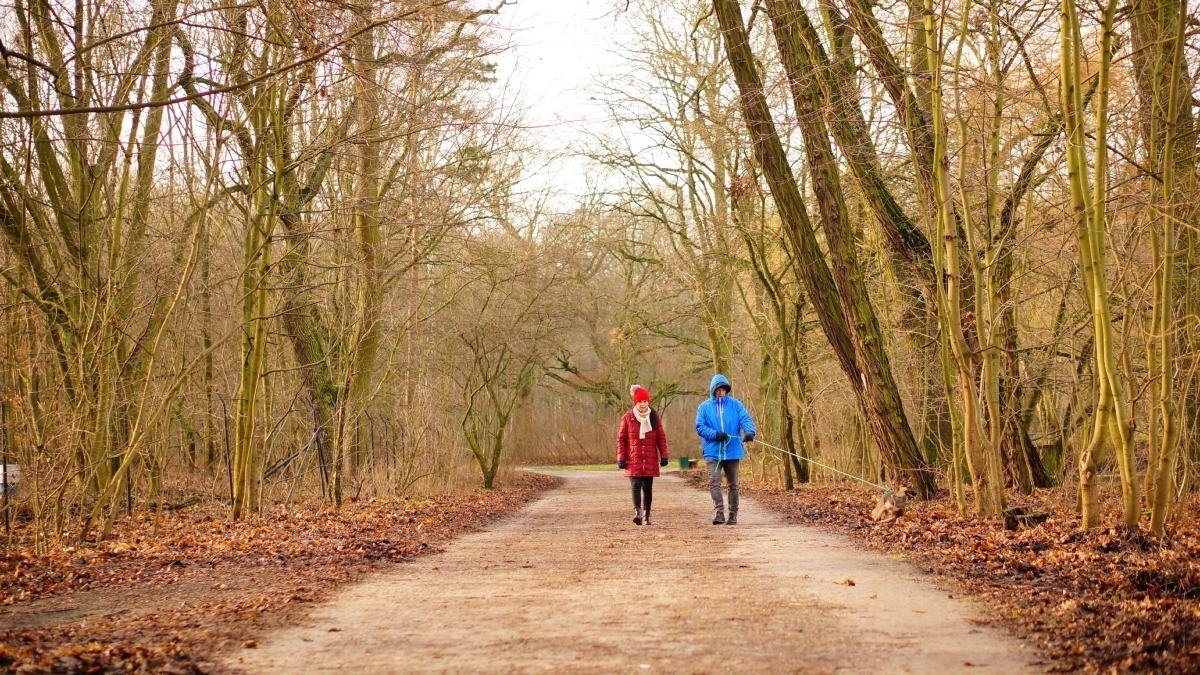
When you start walking, even small pockets of greenery can make a difference (Image:Freepik)
Overcoming Barriers
Despite its simplicity, many people struggle to make walking a regular habit. Common barriers include lack of time, safety concerns, pollution, and extreme weather conditions.
Addressing these challenges requires both individual and collective efforts. On a personal level, planning walks during convenient times, choosing safer routes, and wearing appropriate gear can help. On a broader scale, urban planning that prioritises pedestrian safety and environmental sustainability is essential.
Workplaces and educational institutions can also contribute by encouraging walking initiatives, organising step challenges, and promoting active lifestyles.
A Step Towards Sustainability
Walking is not only beneficial for personal health but also for the environment. As cities grapple with pollution and traffic congestion, choosing to walk short distances can reduce carbon emissions and help improve air quality.
Promoting walking as a mode of transport aligns with broader sustainability goals. It encourages a shift towards healthier, greener, and more liveable cities.
Celebrating National Walking Day
National Walking Day is more than just a date on the calendar—it is a call to action. It encourages individuals to pause, reflect, and take a step towards better health.
Celebrating the day can be as simple as going for a walk with friends or as organised as participating in community events. Schools, offices, and local organisations often host walking drives, awareness campaigns, and fitness challenges to mark the occasion.
For many, it can serve as the starting point of a healthier journey, encouraging them to adopt regular physical activity and make healthier lifestyle choices moving forward. The key is consistency. A single day of walking can spark a habit that lasts a lifetime.
The First Step Matters
In a fitness landscape filled with trends and complexities, walking stands out for its simplicity and effectiveness. It is a reminder that health does not always require grand gestures—sometimes, it begins with a single step.
As National Walking Day approaches, it offers an opportunity to slow down, step outside, and reconnect with a fundamental human activity. Whether it’s a quiet morning walk, a brisk evening stroll, or a casual walk with loved ones, every step counts. Because in the journey towards better health, the simplest steps are often the most powerful.
(Note: Dr (Prof) Sadhana Kala is a USA-trained robotic & laparoscopic surgeon, Uppsala University, Sweden, trained fertility specialist, Icon Endoscopic Surgeon of North India, and National Icon Endoscopic Surgeon of India. She is rated as India's Best Gynecologist by Google.)
(Disclaimer: The views expressed in this article are the personal opinions of the author.)