

- By Ridam Sharma
- Thu, 18 Jun 2026 12:46 PM (IST)
- Source:JND
Plant-Based Hair Colours: With rising concerns around chemical dyes, organic hair colours are making a significant comeback. These plant-based hair colours not only cover greys, but also add nourishment to hair without damaging it. Over-harsh chemical-based dyes that promise instant transformation, plant-based hair colour is a slower, gentler ritual, all about hair colour and nourishment. Additionally, you can also customise these plant-based hair colours with other ingredients that promote hair growth.
5 Plant-Based Hair Colours For Long-Term Hair Health
With the rising trend of sustainability, people are prioritising long-term hair health and going back to old traditional rituals of hair colouring and dying, which are organic hair colours like Henna and Indigo. Here are five plant-based options worth trying.
1. Henna-Based Hair Colours
Henna-based hair colour is derived from the leaves of Lawsonia inermis. Henna binds naturally to keratin, coating each strand rather than weakening it and leaving a rich, reddish-brown shade with natural luminosity. It strengthens roots, reduces breakage, and curbs dandruff-causing microbes; blended with yoghurt, aloe vera or amla, it conditions even as it colours.
Recommended For You



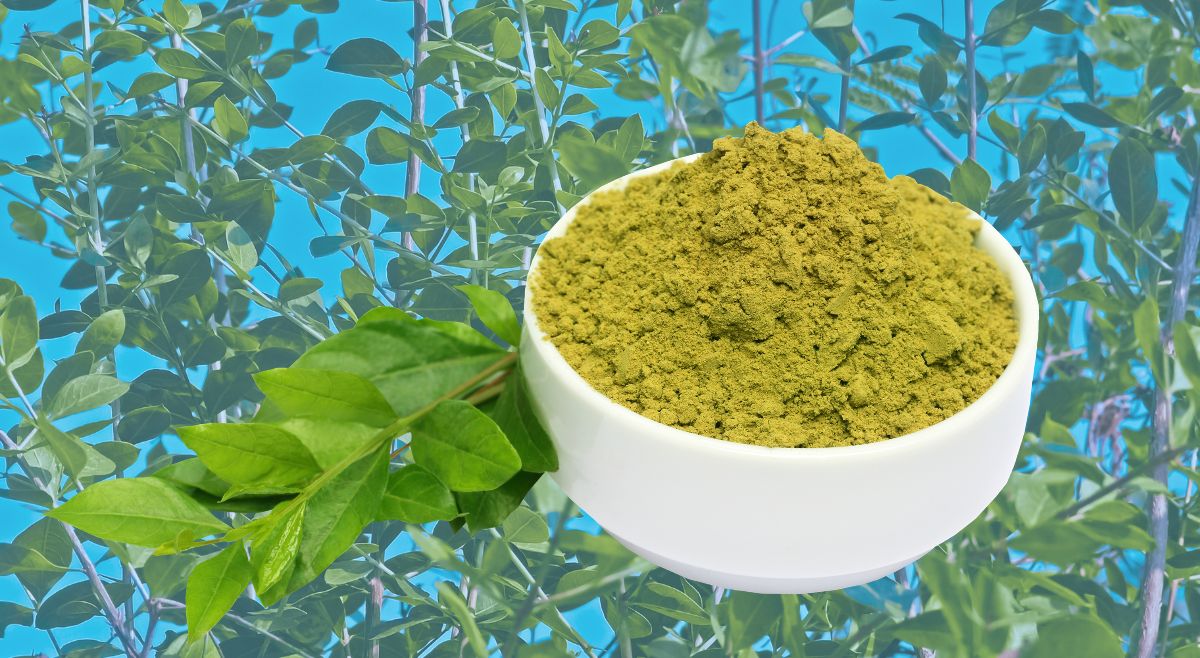
Henna Hair Colour (Image Credit: Canva)
2. Indigo For Gentle Darkening
Indigo colour comes from the leaves of the Indigofera tinctoria plant. Usually, layered over a henna base, indigo produces deep brown to natural-black shades without harsh chemicals. This plant-based hair colour is customisable from soft brown to intense black. Its pigment coats the strand’s outer layer, covering early greys, preserving moisture balance and improving manageability for sustained colouring routines.
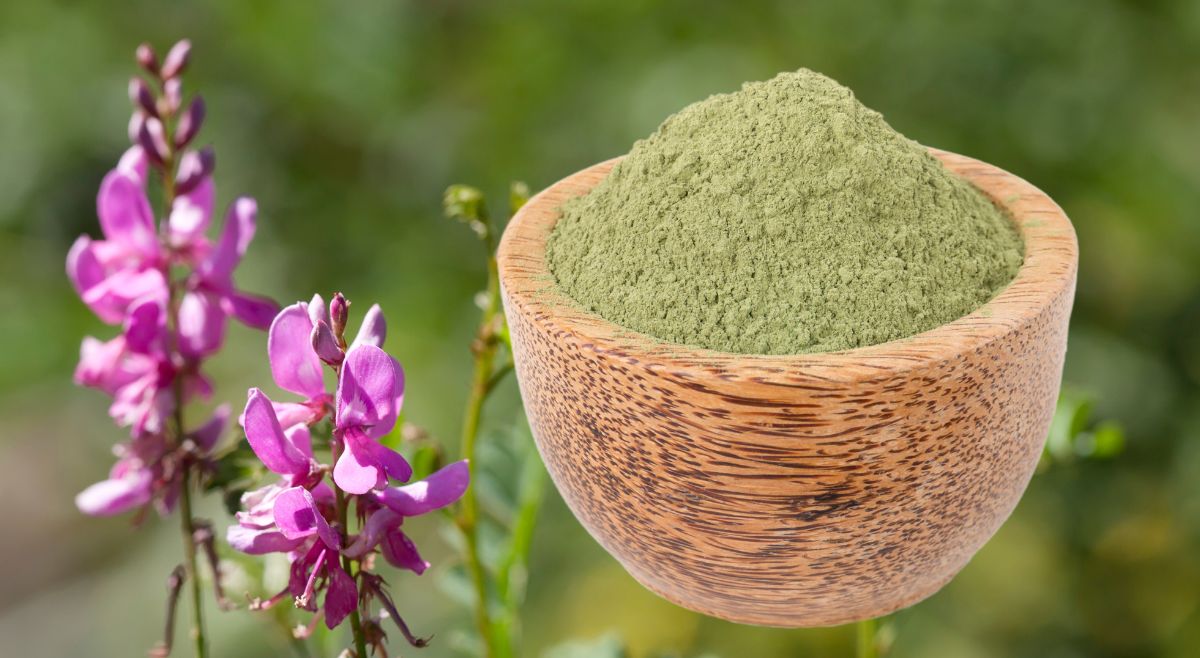
Indigo Hair Colour (Image Credit: Canva)
3. Coffee For Espresso Depth
To your surprise, coffee can be used as a plant-based hair colour; you can also use tea for the same. Coffee is rich in antioxidants and caffeine and stimulates scalp circulation while deepening dark brown tones. The tint is temporary on its own, but stirred into a henna base with nourishing yoghurt and applied from root to tip, it adds a subtle espresso undertone and a lustrous, dimensional finish.
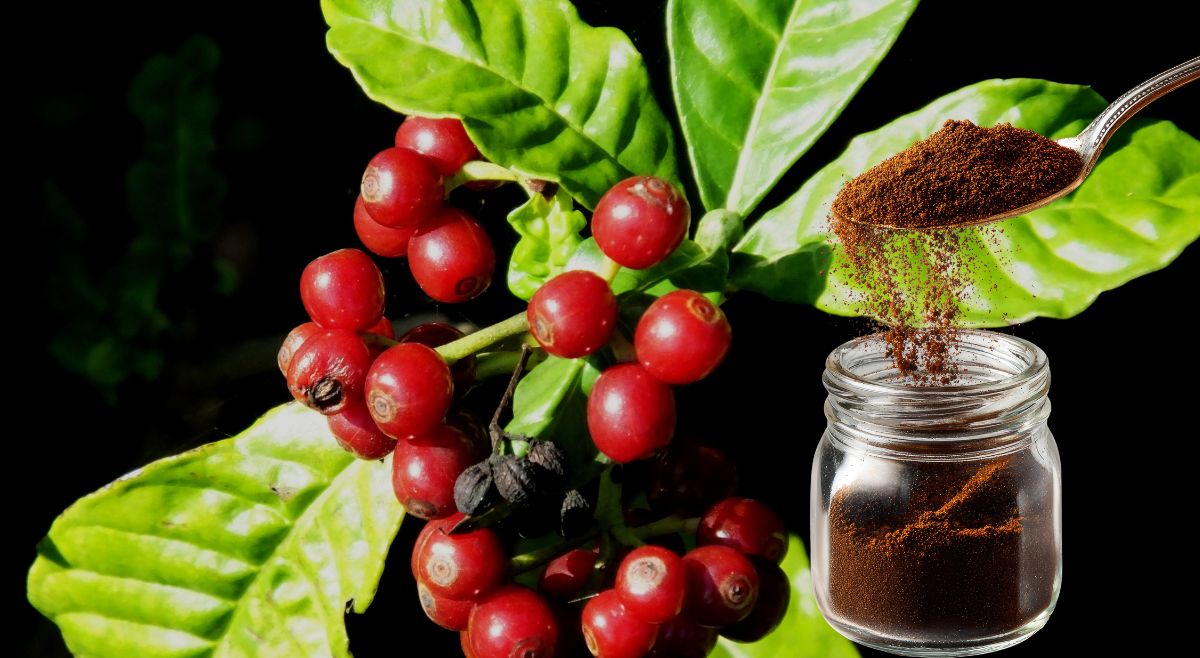
Coffee Hair Colour (Image Credit: Canva)
4. Hibiscus For Rich Red Undertones
Hibiscus flower contains anthocyanin red pigments and beneficial amino acids. Mix it with henna-based colour, into a paste or used as a botanical rinse form, it gives intensified reddish-brown tones. Additionally, hibiscus supports hair growth, keratin and replenishes moisture, leaving strands softer, sleeker and stronger.
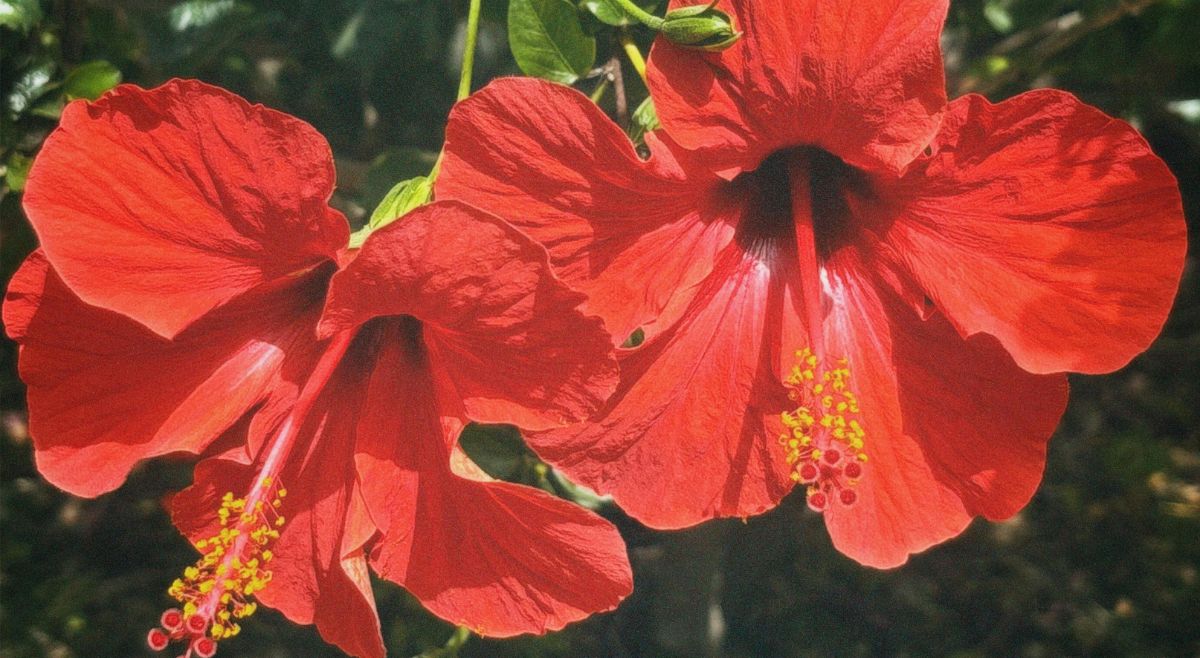
Hibiscus Hair Colour (Image Credit: Canva)
5. Walnut Shell Powder For Deep Brown Tones
Walnut shell powder has a high content of tannins and natural pigments, which gives a cool-toned dark brown that deepens brunette shades. It leaves a smooth texture, tames brassiness and covers early greys. Use it like a thick paste alone or with henna, which gives a chestnut depth without chemicals or hair health is compromised.
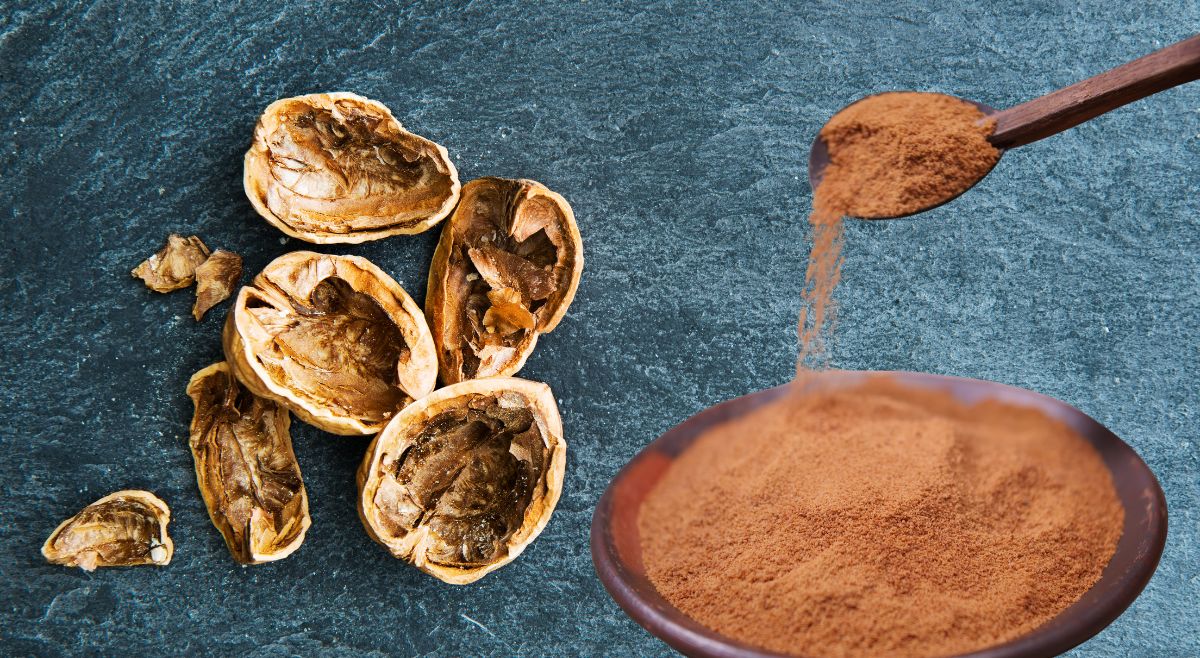
Walnut Hair Colour (Image Credit: Canva)
Plant-Based Hair Colours: What Expert Suggests?
On talking to Dr Harinder Arya, Chief Scientist & Founder of Indus Valley Hair Colour, he stated, “For decades, we treated hair colour as something done to the hair, forcing the cuticle open with ammonia and peroxide to push pigment in. The results were instant, but the hair paid for it in lost moisture and a sensitised scalp. Plant-based colour works the other way; it wraps around the strand and conditions as it tints, so hair is left stronger, not stripped.”
ALSO READ: 6 Clear Signs Your Scalp Needs Break From Harsh Hair Colouring
Plant-Based Hair Colours: My Takeaway
Plant-based dyes prove that colour and hair health can coexist. By coating and conditioning rather than stripping, they build rich, multidimensional shades while supporting strength, elasticity and scalp balance. The return to botanicals is less a passing trend than a quiet correction, a reminder that colour was always meant to nourish as it transforms.
ALSO READ: 6 Hair Colours That Will Look Stunning On Dusky Skin Tone; Chestnut Brown, Espresso Brown And More
Whether you reach for henna’s warmth, indigo’s depth, or hibiscus' understated richness, you no longer have to trade healthy hair for a beautiful shade. And that, in the end, is the whole point.