

- By Ridam Sharma
- Fri, 19 Jun 2026 11:10 AM (IST)
- Source:JND
Pest-Resistant Kitchen Plants: Home gardeners fear attracting pests such as aphids, mosquitoes, and fruit flies when growing plants indoors. True, some plants may attract insects; however, there are certain plants used in the kitchen which have natural properties of deterring pests and protecting your food from harmful infections or allergies. These plants not only keep your space safe from annoying pests but also enhance the beauty of your kitchen, making it both aesthetically pleasing and functional.
7 Kitchen Plants That May Help Keep Pests Away:
Each of the plants listed below produces natural oils, smells, or other substances that keep bugs away. Here is a list of seven useful plants that serve as natural insect repellents.
1. Chrysanthemum
Chrysanthemum flowers are an excellent natural pest repellent due to the presence of pyrethrins in them, which are natural pesticide that acts on the nervous system of insects. If an insect is exposed to pyrethrins, it can become paralysed or even die. Chrysanthemums may repel insects like aphids, spider mites, ticks, and mosquitoes. However, usually an outdoor plant, potted chrysanthemums can also be placed near the windows of the kitchen.
Recommended For You




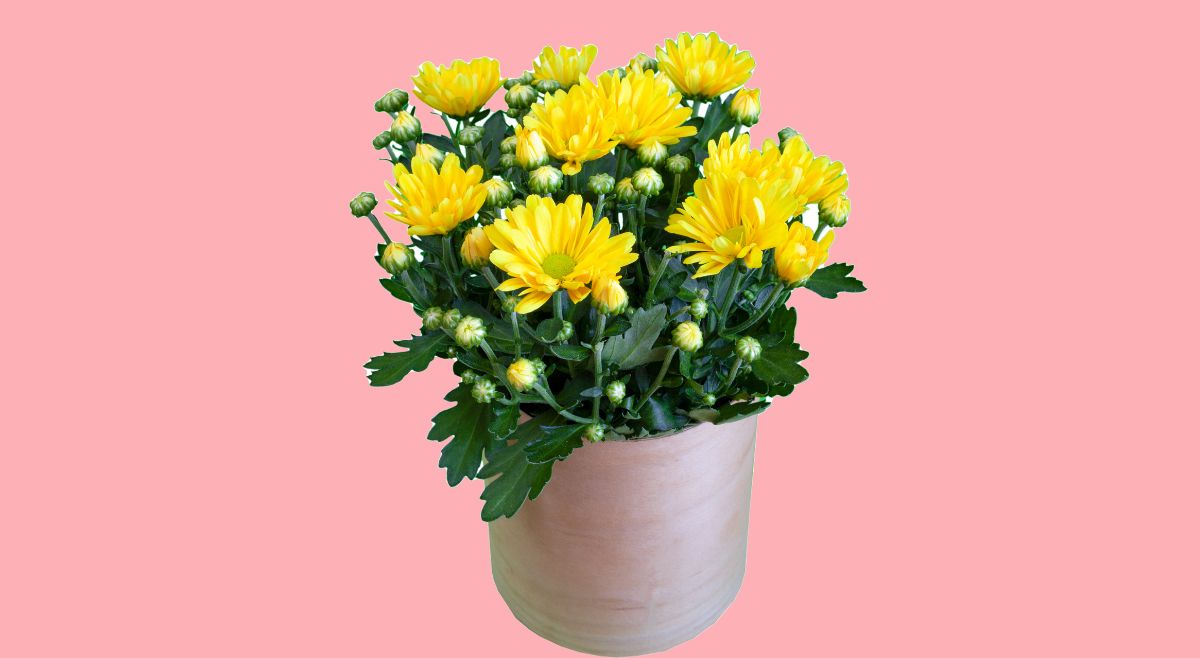
Chrysanthemum (Image Credit: Canva)
2. Catnip
Scientifically known as Nepeta cataria, catnip is popular for the effects it creates on the behaviour of cats. However, this herb is also efficient against pests to some extent. The extract from catnip is an efficient repellent and feeding deterrent for Aedes and Anopheles mosquitoes.
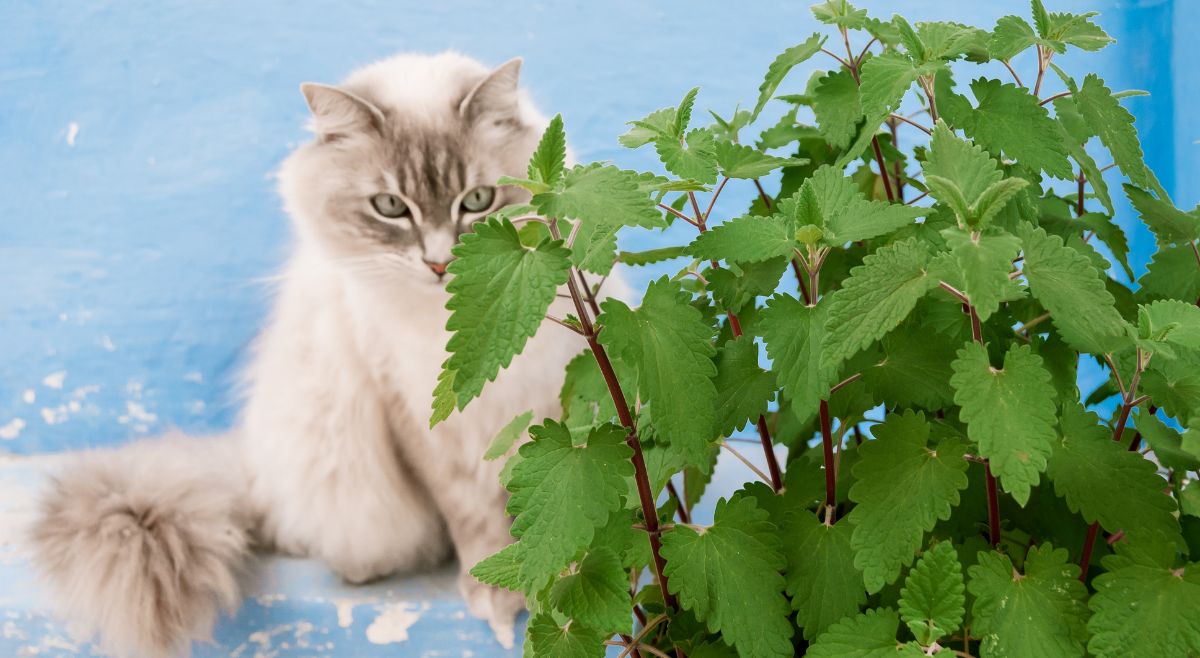
Catnip (Canva)
It acts as a repellent and spatial irritant for a variety of mosquitoes. Put a small pot of catnip on your kitchen counter to keep flies and mosquitoes away while filling your kitchen air with the herbal scent of the plant.
3. Culinary Herbs
Traditional culinary herbs like basil, mint, sage, and rosemary also serve as natural pest repellents due to their strong aromas that prevent insects, including houseflies and fruit flies. The smell of rosemary is known to keep moths and silverfish away, and its essential oil is used to protect against mosquitoes.
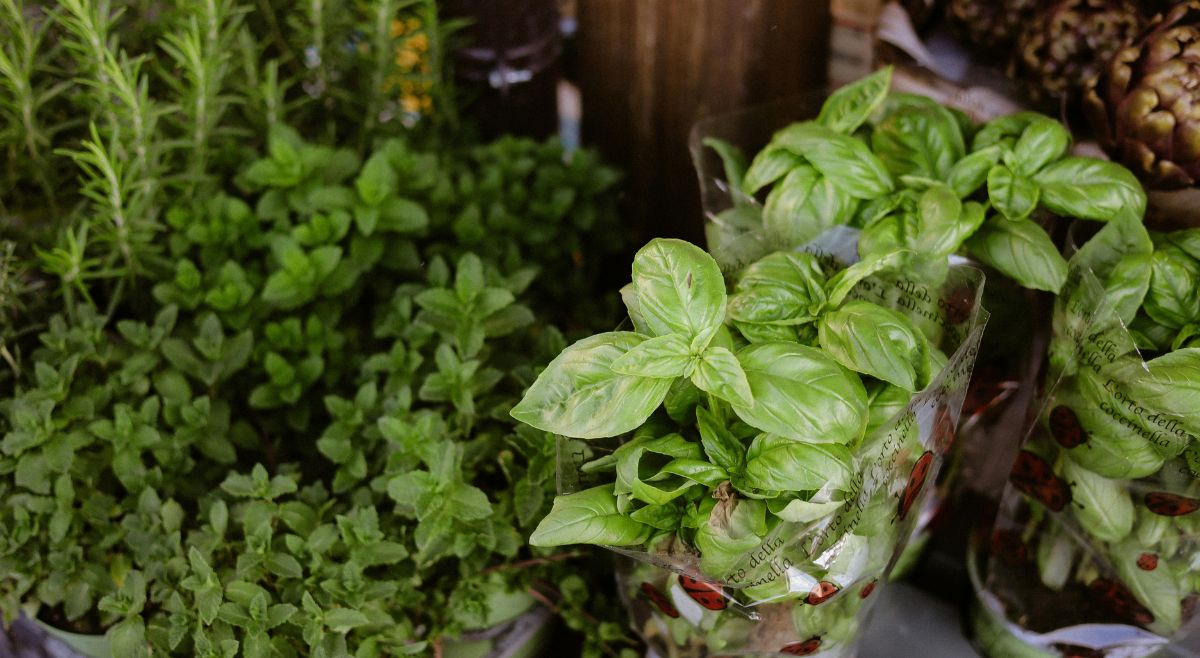
Culinary Herbs (Image Credit: Canva)
The basil essential oil kills the eggs of mosquitoes and becomes extremely useful in this regard. The chives protect against aphids, mites, and Japanese beetles, and their smell also drives away slugs. These herbs make great additions to the kitchen garden because one can cook with them and get rid of the bugs at the same time.
4. Venus Flytrap
The Venus flytrap is a carnivorous plant that captures and eats pests rather than repelling them. Even though it does not have any repellent oils, it gets rid of pests like small flies and gnats that can possibly enter the kitchen area. Place it in a sunny place with enough humidity.
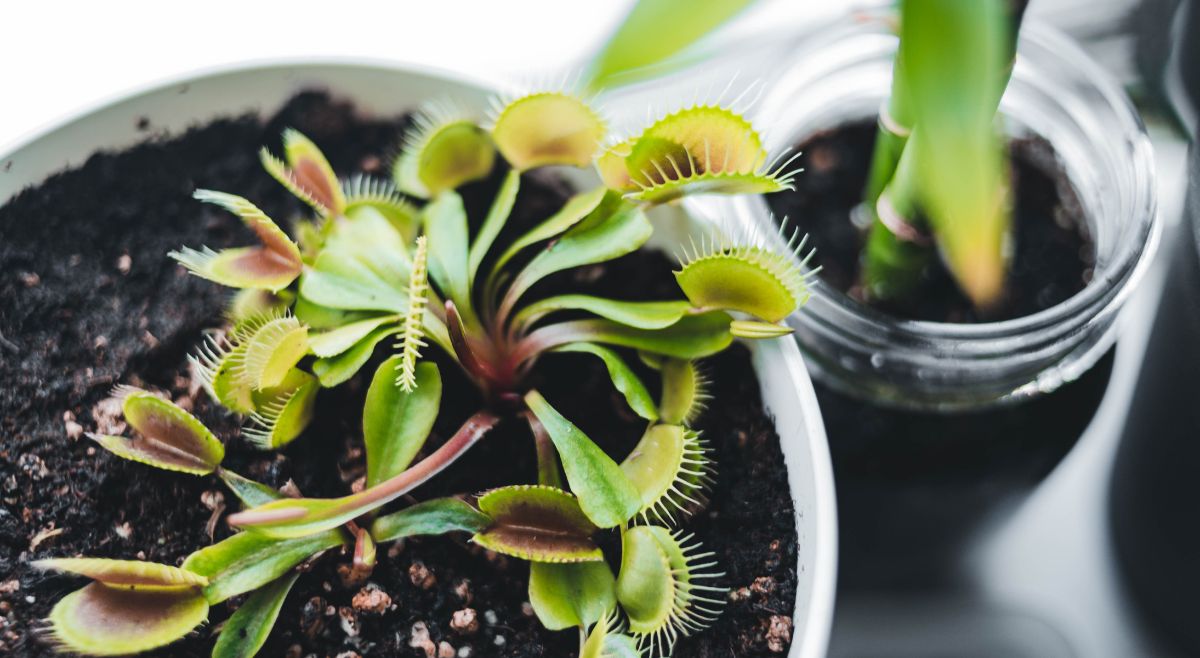
Venus Flytrap (Canva)
5. Mosquito Plant/Citronella Plant
The Mosquito Plant, also known as the Citronella plant, produces citronella oil, which is a famous mosquito repellent. The smell of this plant not just wards off mosquitoes but also flies and other flying insects. The plant should be placed near the kitchen entry point and windows.
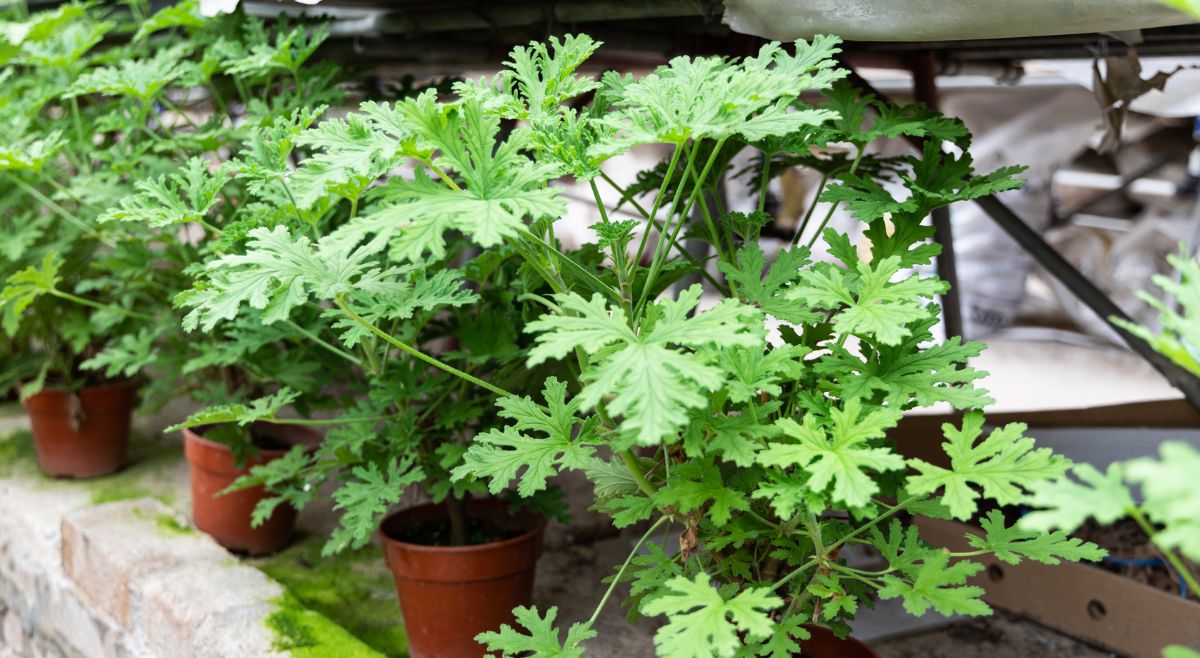
Mosquito Plant/Citronella Plant (Canva)
6. Aspidistra Elatior/Cast Iron Plant
Aspidistra Elatior, popularly known as the Cast Iron Plant, is one of the most low-maintenance plants that will survive even when you do not pay attention to it. The pests don’t bother this plant due to its tough, leathery foliage and resilient cellular structure.
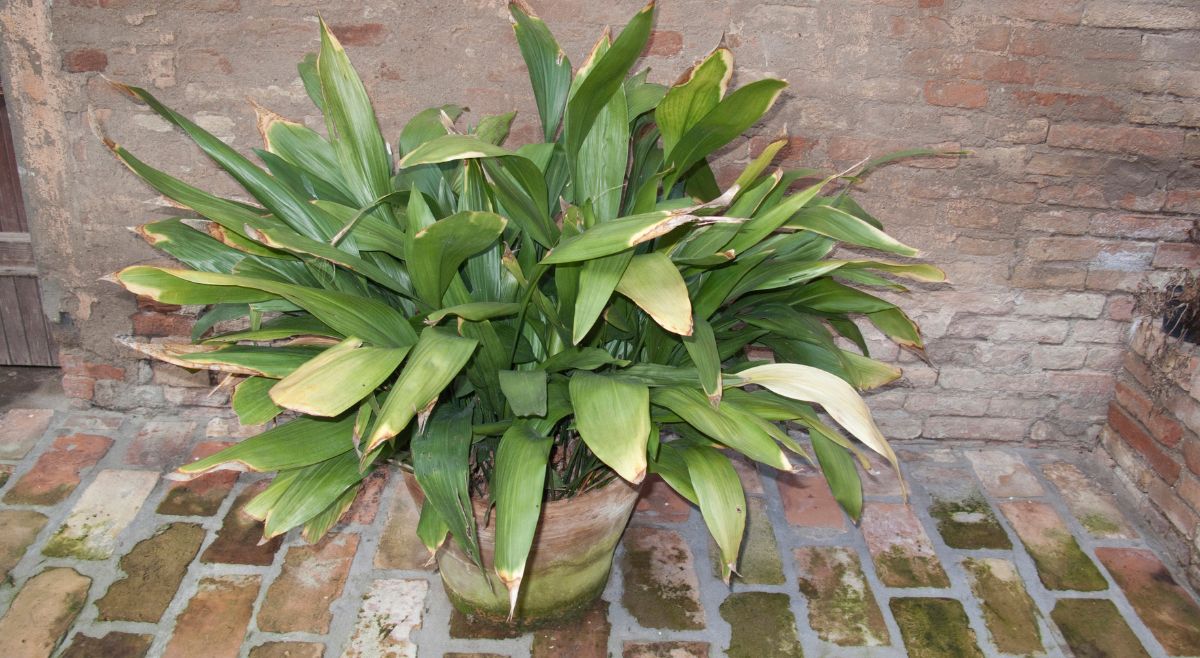
Cast Iron Plant (Canva)
ALSO READ: 7 Fast-Flowering Plants That Add Instant Beauty To Your Garden
7. Bromeliads
Bromeliads are tropical plants that bring a splash of bright colours into your kitchen while helping keep it free from pests. Although the exact repellent properties of each type of bromeliad differ, many types of bromeliads ward off insects through their scent or compound production and tough leaves that insects find difficult to chew.
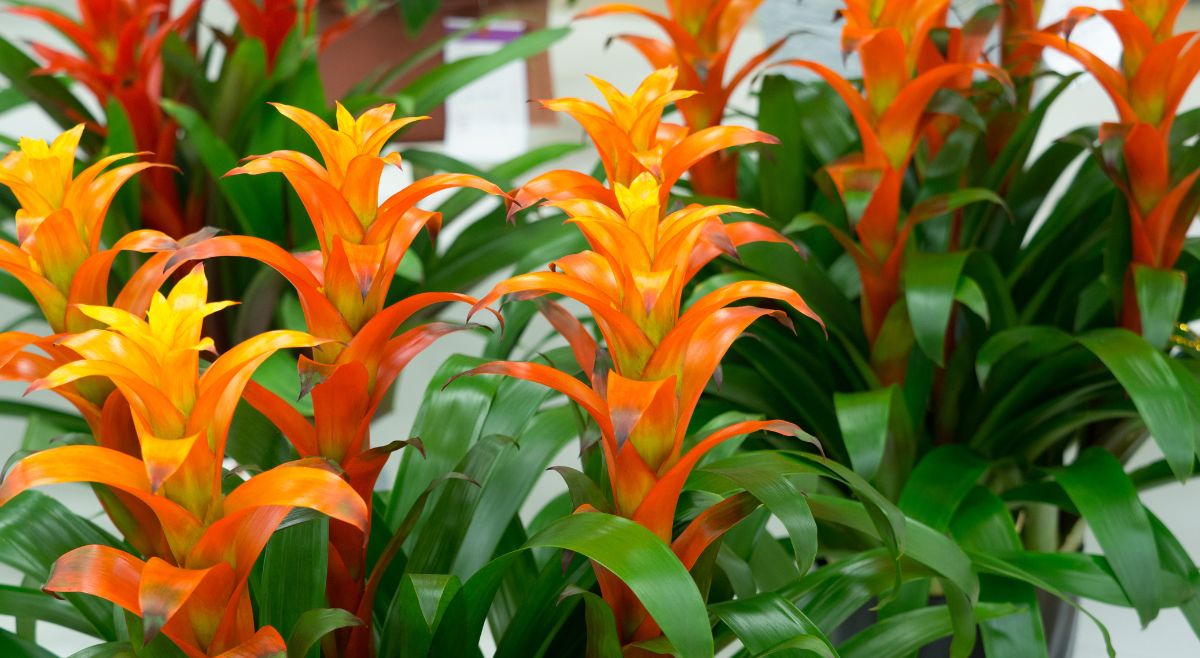
Bromeliads Plant (Canva)
Pest-Resistant Kitchen Plants:
| Kitchen Plants | Why Pest-Resistant |
| Chrysanthemums | Pyrethrin (Has Potent Insecticidal Activity ) |
Catnip | Due To Nepetalactone |
Culinary Herbs | Strong Aroma |
Venus Flytrap | This Carnivorous Plant Eats Insects |
Mosquito Plant/Citronella Plant | Strong Aroma |
Aspidistra Elatior/Cast Iron Plant | Tough, Leathery Foliage And Resilient Cellular Structure |
Bromeliads | Tough Leaves Insects, Bugs Find It Difficult To Chew |
Why We Choose These Pest-Resistant Kitchen Plants?
Each of these plants uses different methods of repelling pests; some have strong structures, which make it difficult for pests to eat them. While some have natural aromas that keep pests away. There is also a carnivorous plant on the list and a plant that has chemical compounds that repel insects naturally. So, this diverse list has everything for everyone. So, now protect your home from unwanted insects and bugs naturally.
ALSO READ: 7 Air-Purifying Plants You Should Keep In Your Bedroom
Lastly, for optimal pest prevention, use all these plants in combination in your kitchen area. Use aromatic herbs such as basil and rosemary on your counter, keep chrysanthemums in areas near windows, and position the Cast Iron Plant in areas with less light. In this way, you will create an effective defence system which will keep pests out of your kitchen without using any chemicals.