
- By Ridam Sharma
- Mon, 25 May 2026 11:11 AM (IST)
- Source:JND
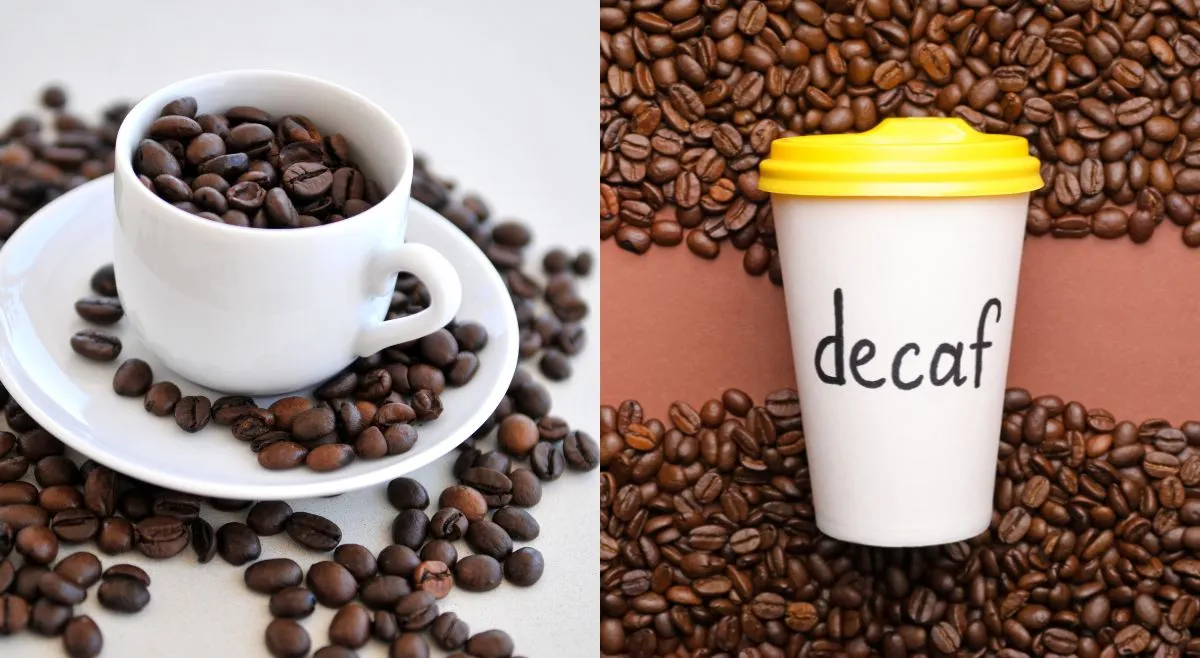
Caffeinated vs Decaffeinated Coffee: Coffee is one of the most widely consumed beverages across the globe, but not every cup of coffee is similar. Among numerous varieties of coffee, in the modern world, it is distinctively divided into two types. There are two main categories, caffeinated and decaffeinated, which can affect the flavour, body response, and consumption pattern.
Therefore, understanding the major differences between caffeinated and decaffeinated is crucial to make the right cup for you.
What Is Caffeinated Coffee?
Caffeine is a stimulant naturally produced in the beans of coffee. Caffeine acts by blocking the brain's adenosine receptors, resulting in decreased tiredness and an increase in the feeling of being awake. Some of its effects include enhanced mental alertness and concentration, and slightly elevated heart rate and blood pressure. These effects occur typically between 15 and 45 minutes after consumption and last several hours.
(Representational Image)
How Much Caffeine Is There In A Cup Of Coffee?
The following are just the approximate stats:
| Coffee type | Typical caffeine per serving |
|---|---|
| Filter coffee | 80–140 mg in 240 ml (per cup) |
| Espresso | 60–80 mg in 30–45 ml (per shot) |
| Instant coffee | 30–90 mg per cup |
It is also important to note that these values can widely vary by brand and brewing method. Caffeine level depends on several factors such as coffee variety, roasting process, grinding degree, and method of preparation. Robusta coffee contains double amount of caffeine compared to the Arabica variety.
Recommended For You




Next time you enjoy your favourite brew, remember that you're also investing in your long-term health and happiness (Image:Freepik)
What Is Decaffeinated Coffee?
Decaffeinated coffee, widely called decaf, is coffee that undergoes a process to remove almost all caffeine from green coffee beans before being roasted. The term “decaffeinated” does not mean that it has no caffeine because, by definition, decaffeinated coffee must be 97% free of caffeine, which amounts to only 2 to 7 milligrams per serving.
Like most things in life, moderation is key when it comes to coffee consumption (Image:Freepik)
Caffeinated vs Decaffeinated Coffee: Difference In Taste And Smell
The main component responsible for the bitterness of coffee is caffeine. Therefore, decaffeinated coffee has a different flavour profile due to the absence of bitterness. Most people would agree that decaf coffee tastes somewhat duller than the regular variety. Nowadays, however, thanks to advanced technology, decent decaf coffee could be as good as caffeinated coffee, which also depends person to person.
ALSO READ: Easy And All-Natural DIY Body Scrub To Fade Tan For Brides-To-Be
Caffeinated vs Decaffeinated Coffee: Health And Safety Considerations
Consuming coffee in the evening could cause insomnia in some individuals; therefore, decaf is an appropriate choice in such situations. Moreover, some people experience increased anxiety, palpitation, and other related issues when consuming caffeine.
Additionally, for most healthy people, moderate consumption of caffeinated coffee poses no risks to health. However, people with heart conditions or hypertension need to discuss their coffee habits with a health expert.
ALSO READ: Indian Coffee Trade Faces Major Setback; Rising Costs, Blocked Routes Spark Export Crisis
Moreover, antioxidant content, such as chlorogenic acids, remains similar in both caffeinated and decaffeinated coffee, but there is a slight reduction in some cases with decaffeinated coffee.
| Issue | Caffeinated | Decaffeinated |
|---|---|---|
| Evening sleep | May cause insomnia | Comparatively better for evenings |
| Anxiety/palpitations | Can trigger symptoms | Unlikely to trigger |
| General safety | Safe in moderation for most | Safe for most |
| Heart/blood pressure | Discuss with the doctor if affected | Preferably if advised |
| Antioxidants | Present | Present (slightly less) |
Caffeinated vs Decaffeinated Coffee: Which Is Best For You?
- - Go for caffeinated coffee if you require extra energy, better concentration or if you appreciate the bitter taste of coffee.
- - Go for decaffeinated coffee if you cannot tolerate caffeine intake or would like to drink coffee without disturbing your sleep schedule.
Lastly, but most importantly, get your decaf from a good brand and grind it just before brewing for better taste. Caffeinated and decaffeinated coffee share the same fundamental characteristics; differences lie in caffeine’s stimulatory effects and in taste due to decaffeination.