
- By Ridam Sharma
- Thu, 21 May 2026 11:58 PM (IST)
- Source:JND
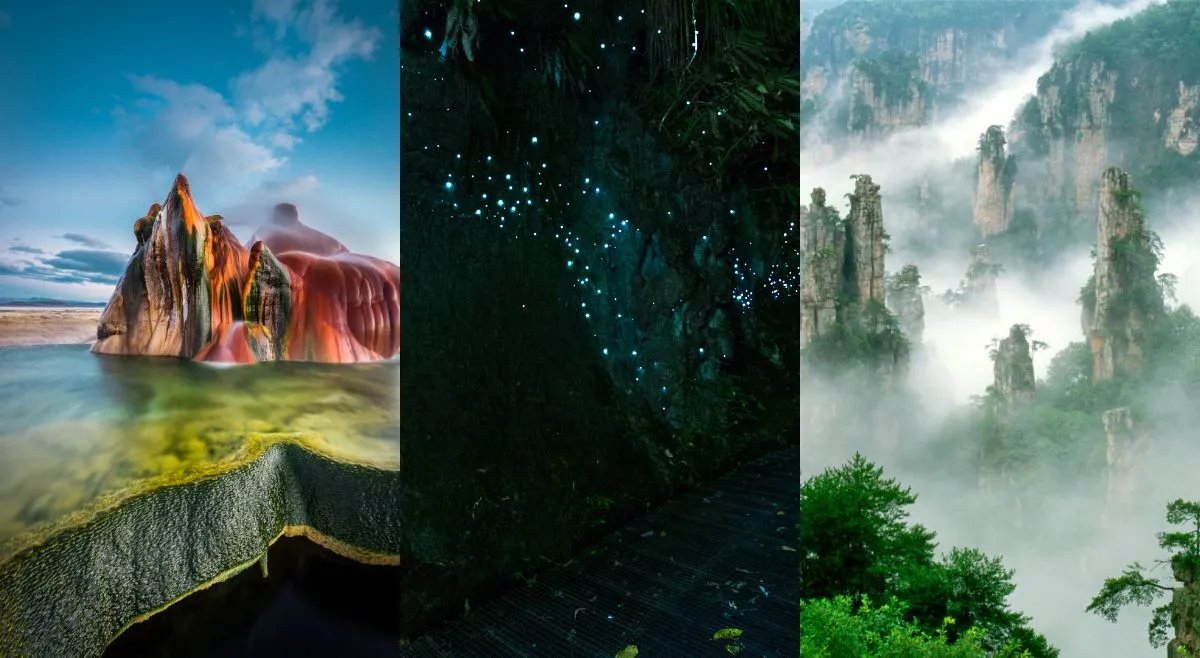
Natural Wonders That Look Unreal: Some spots in the world seem almost as if they have been created by imagination rather than by nature. These phenomena include everything from iridescent lakes to rocks defying gravity. Each place holds its own unique history and peculiarities. Therefore, here is a list of six natural wonders that feel unreal but are completely real.
6 Natural Wonders That Look Too Unreal To Exist
1. Salar de Uyuni (Bolivia)
The Salar de Uyuni of Bolivia is the biggest salt flat in the world and measures up to 10,582 sq km (4,086 sq miles). In the rain, a film of water acts as a mirror reflecting the sky such that one appears to be standing between the land and the sky. The place looks too surreal to exist in reality.
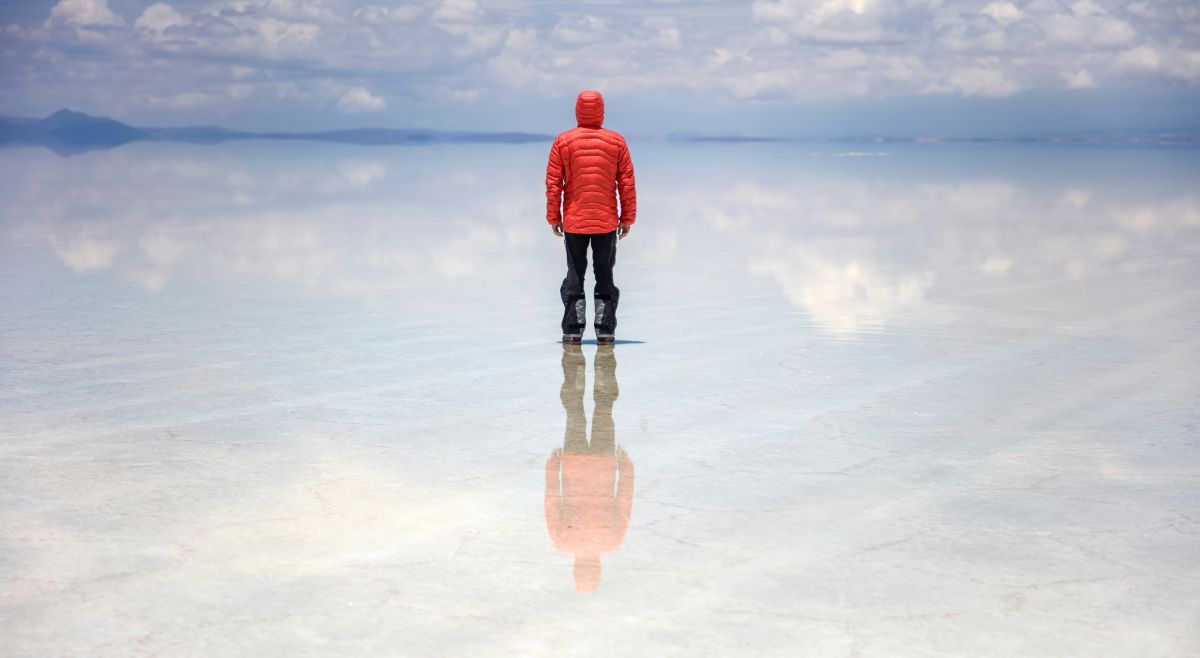
Salar de Uyuni (Image Credit: Canva)
It attracts many photographers from all over the world due to the surreal images of people standing on cloud nine, and the metric horizons disappear, making people appear to be floating and shrinking. But during the dry season, a cracked polygonal salt floor gives the place a lunar texture and feel.
Recommended For You



2. Zhangjiajie National Forest Park (China)
Zhangjiajie National Forest Park in China is also known to look too unreal to exist. The place is famous for its towering quartz-sandstone pillar formations, some rising over 200 meters. These pillars inspired the floating mountains in Avatar form, artistically, not literally.
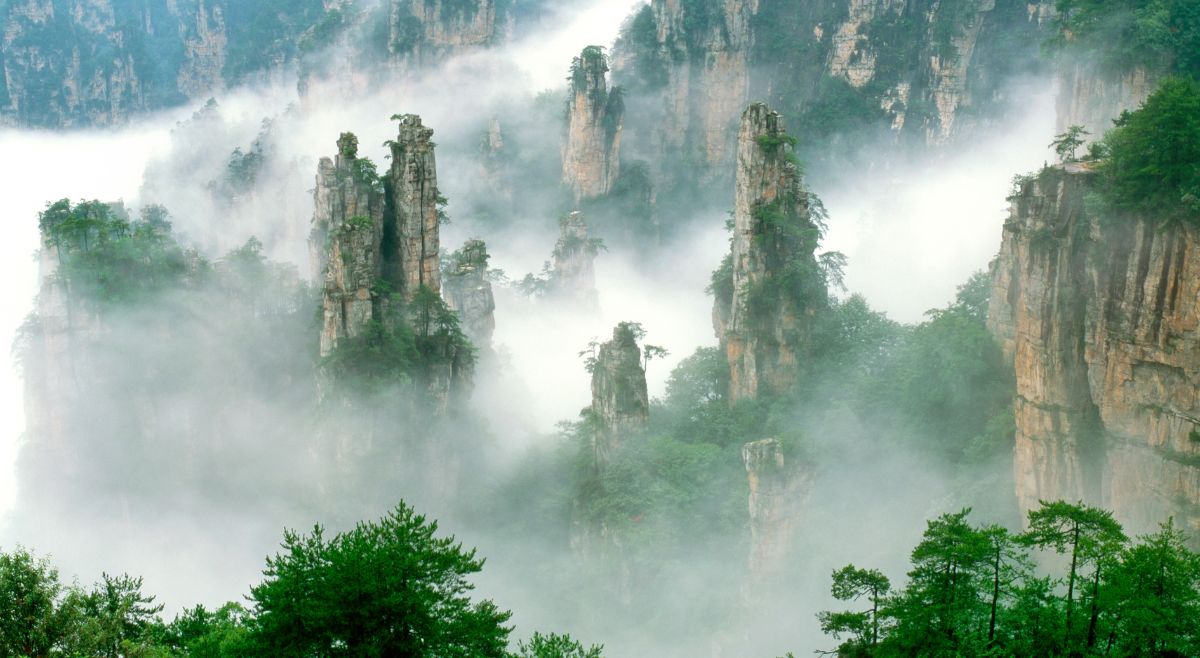
Zhangjiajie National Forest Park (Image Credit: Canva)
3. Fly Geyser (Nevada, USA)
The Fly Geyser in Nevada, USA, is a brightly coloured geothermal geyser that was accidentally created in 1964 during geothermal well drilling. Its red, green, and orange colours come from thermophilic algae.
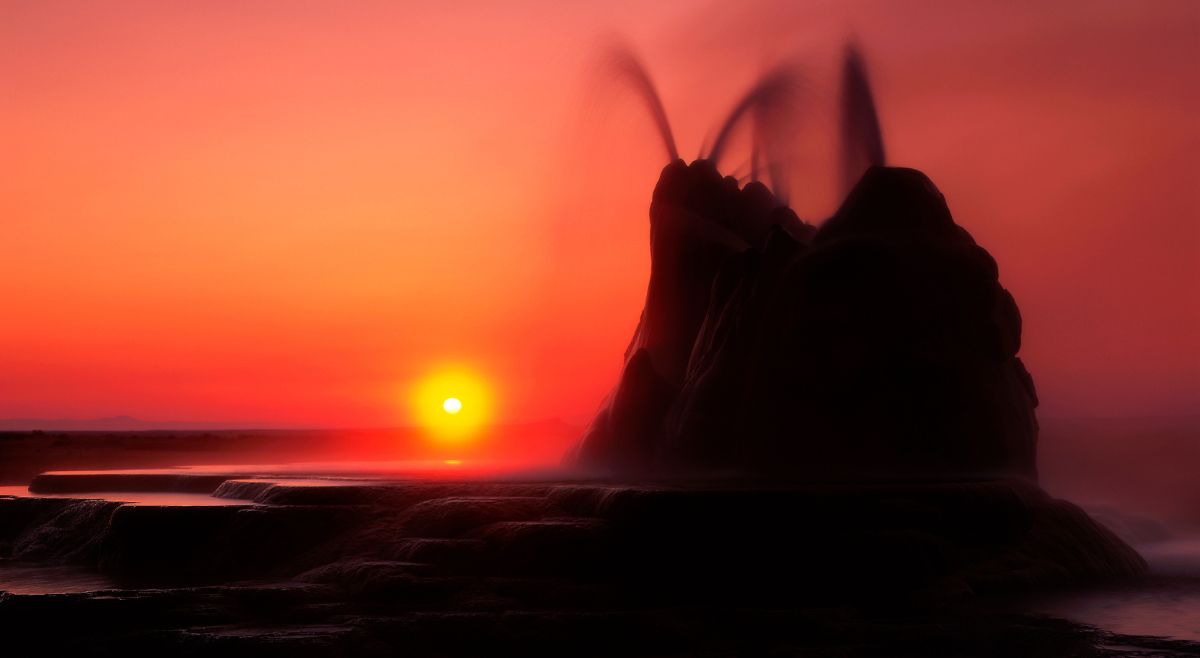
Fly Geyser (Image Credit: Canva)
4. Waitomo Glowworm Caves (New Zealand)
The Waitomo Glowworm Caves in New Zealand are known for thousands of glowing larvae of Arachnocampa luminosa, a bioluminescent glowworm species. The cave ceiling appears like a starry night sky.
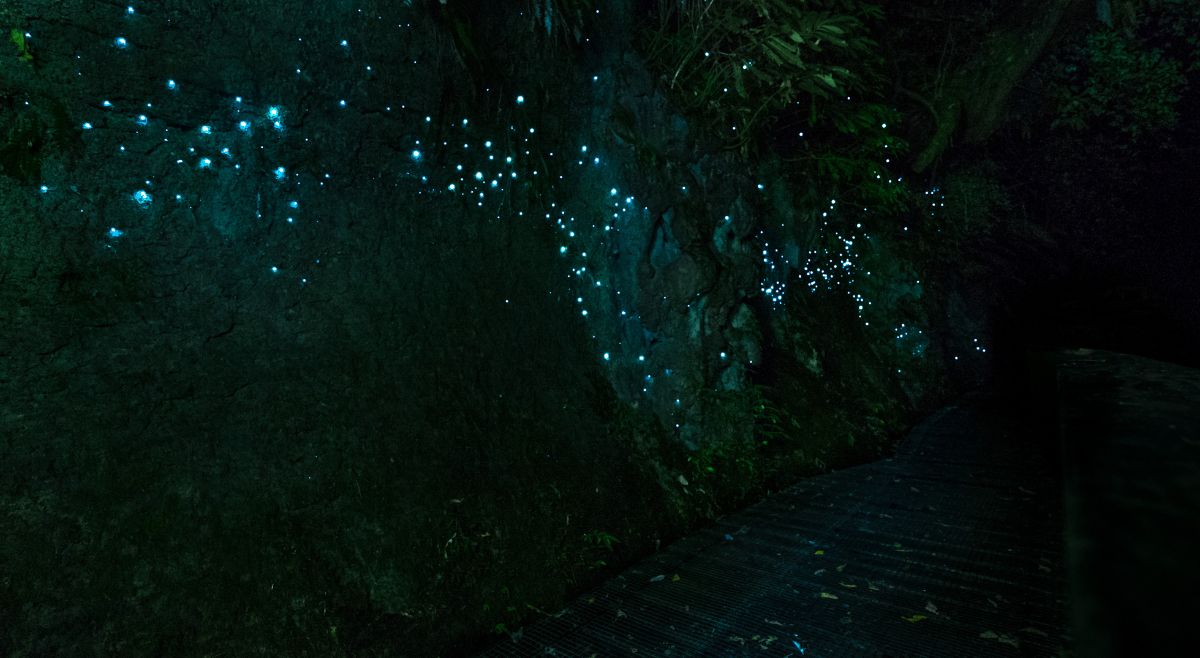
Waitomo Glowworm Caves (Image Credit: Canva)
5. The Wave (Arizona, USA)
The Wave in Arizona in the USA is a natural sandstone rock formation in the Coyote Buttes North area. It was formed by erosion of the Navajo sandstone, creating surreal red-orange wave-like curves.
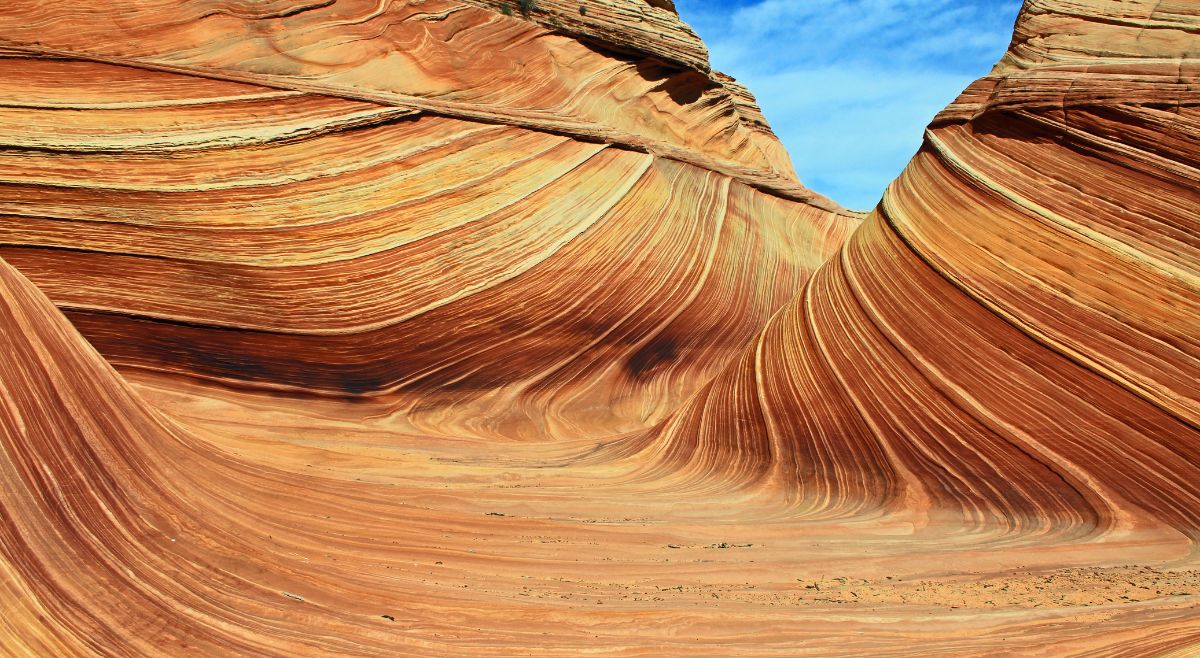
The Wave (Image Credit: Canva)
6. Socotra Island (Yemen)
The island of Socotra in Yemen is another wonder of nature recognised by UNESCO and is famous for its unique flora and fauna. Among the highlights of the island is the Dragon's Blood Tree, famous for its distinctive umbrella-shaped foliage. It boasts around a third of its vegetation as endemic.
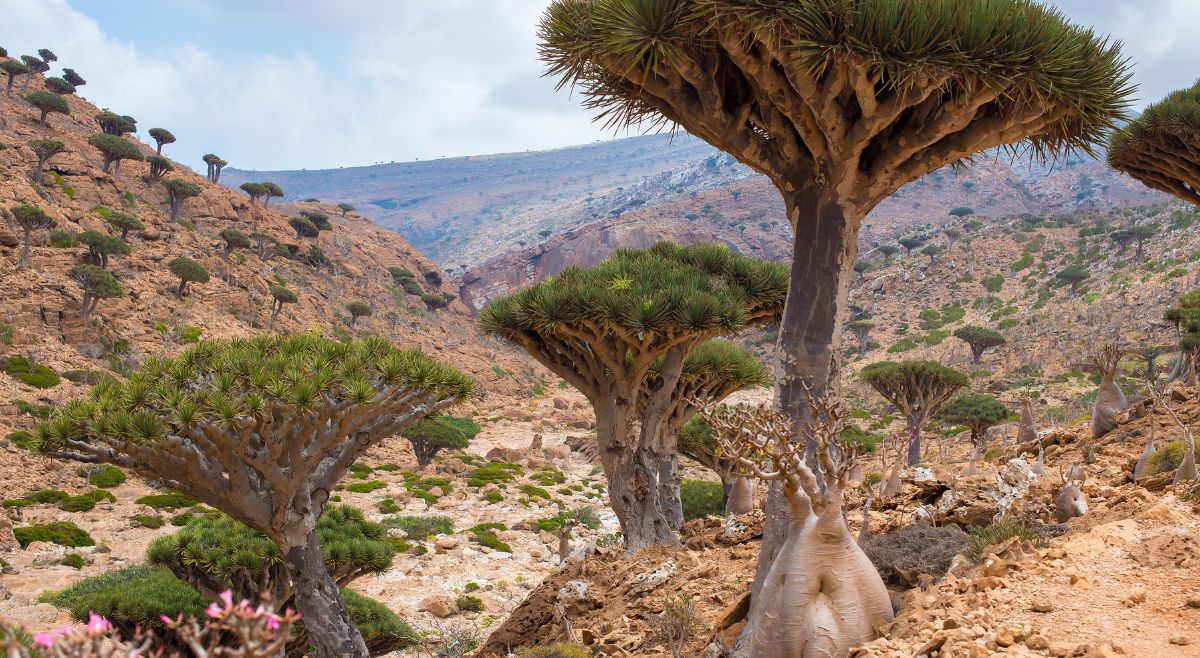
Socotra Island (Image Credit: Canva)
In addition, Socotra is often referred to as the “Galápagos of the Indian Ocean” due to its unique flora and fauna, which cannot be found anywhere else. The Socotra plants evolved under very hard conditions, and people often say that this place resembles an alien planet.
ALSO READ: Kiara Advani Shares Adorable Glimpse Of Daughter Saraayah, Sweet Travel Moment Goes Viral | Photo
Lastly, as seen from the examples provided above, all the natural wonders of the world seem to be absolutely unreal. Natural wonders are all about extremes, in the context of contrast, shape, colour, or light.
ALSO READ: Thailand Ends 60-Day Visa-Free Stay For Tourists From 93 Countries Including India; What Changes Now
Whether formed through the action of minerals or climate, each of the examples presented above demonstrates nature’s ability to create something so stunning that you start confusing reality and imagination.