

- By Ridam Sharma
- Tue, 02 Jun 2026 01:05 PM (IST)
- Source:JND
Psychological Facts about Gen Z Mental Health: Gen Z refers to those born between 1997 and 2012. The generation that comes after Millennials and before Generation Alpha. This new generation of youngsters is also known as digital natives, as they have witnessed the growth and rapid development of a digital world, through social media platforms and now through the growth of Artificial Intelligence. The one topic of concern for Generation Z has always been their mental well-being.
This new generation has always advocated mental health as more important than physical well-being. The generation that is known for breaking societal norms and shattering unfair means of prejudice and stereotypes is also a generation that significantly suffers from mental health issues.
10 Psychological Facts About Gen Z Mental Health
The new study by a coalition of UNICEF and private sector partners highlights how young people continue to face stigma and limited access to mental health services. Let’s take a look at 10 psychological facts about Gen Z mental health, as per the same report.
Recommended For You




1. News Creates Stress
Gen Z spends more time with news than with any other type of media. The majority consider themselves constantly connected to the news, all due to social platforms that have become more than a platform of posting and liking content. With every update, there seems to be something happening; 60 per cent of Gen Z admits to feeling overwhelmed by what is currently going on.
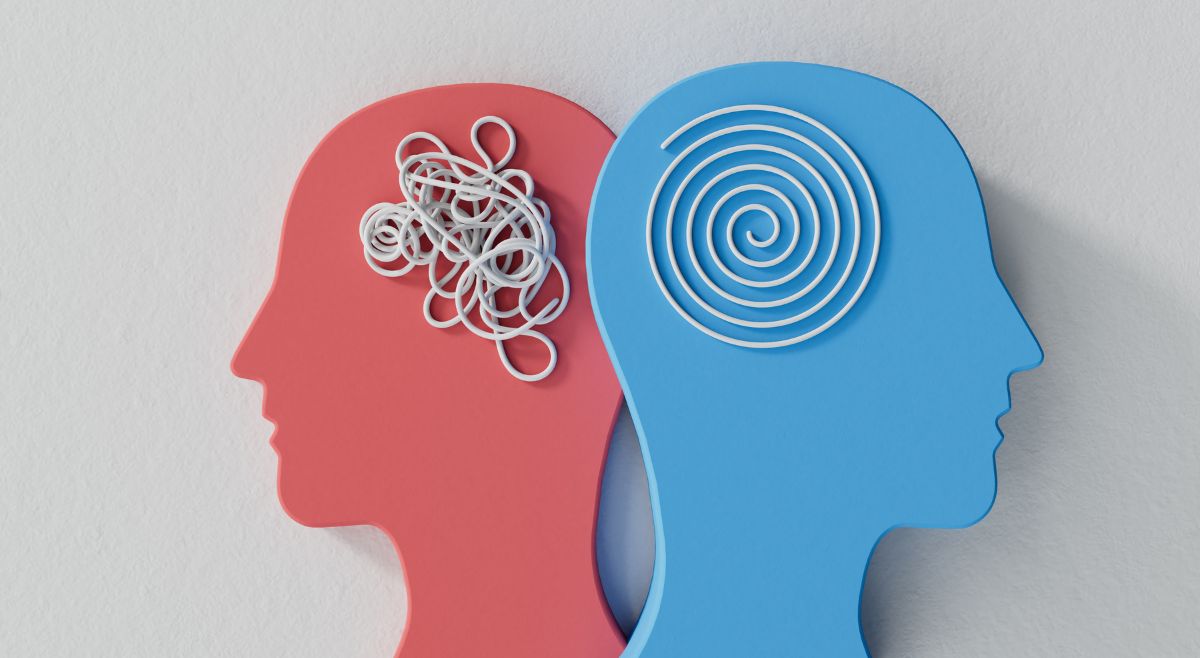
2. Too Much Information Creates Anxiety, Inability To Concentrate
Apart from causing anxiety, news media consumption leads to difficulties focusing and fragmented attention, causing one to struggle with depression due to information overload.
3. Stigma Against Speaking Out Continues
According to UNICEF data, about 40 per cent of members of Generation Z experience stigma against speaking about their mental wellness in school or the workplace. Therefore, many young adults hide their problems due to stigma instead of seeking help and thus preventing further problems.
4. Awareness Of Available Resources Is Poor
Approximately half of Gen Z respondents say that they don't know how to obtain help with their mental wellness. The lack of awareness of counselling services, helpline numbers or workplace programs prevents young adults from using available resources even if they are willing to do so.

5. Coping Strategies Are Poor Among Gen Z
Only 55 per cent of people with poor mental health feel confident regarding the effectiveness of their coping strategies. Therefore, nearly half of young adults may be unaware of whether they can cope effectively with their stresses and problems, leaving room for avoidance and other maladaptive behaviours.
6. Movements, Mindfulness, and Social Interaction Work Best
Activities related to movements (walking, physical activity), mindfulness and social interactions were ranked as most beneficial for mental wellness by Gen Zs. Such activities help decrease physiological tension, raise positive emotions and create a feeling of community.
7. Peer Pressure Is Good Sometimes:
Peer influence is powerful. When friends normalise help-seeking or share coping strategies, individuals are more likely to adopt them. In the same way, peers can also normalise unhealthy coping risk. So, be mindful.
ALSO READ: Gen Z's Money Problem: Spending More Than They Earn Globally; 4 Easy Steps To Fix It
8. Technology Is A Double-Edged Sword
Technology can provide support through mental-health apps, therapy sessions online, and various forums, while it can also cause stress through social-media pressure, constant comparing with others, and the spread of misinformation.

9. Hope Exists Despite The Challenges
Most importantly, according to the same UNICEF coalition report, 60 per cent of young people still hope and are ready to contribute their efforts to make the future better. This hope translates into activism and collective coping, including participating in climate strikes or mental-health campaigns in communities, indicating that despair is not always experienced by Gen Z.
10. Systemic Change Is Necessary
All these findings lead us to conclude that action should be taken at the systemic level. For instance, schools, workplaces, and government representatives need to lower the stigma and promote mental-health awareness and practices, including mental-health training, accessible counselling services, and flexible leave policies. Thus, creating an environment for healthful coping can become the norm.
ALSO READ: Lalit Modi Breaks Silence On Sushmita Sen's Gold Digger Tag: 'Was Like Kept Boyfriend'
Gen Z is caught between unprecedented exposure to tools and knowledge on one hand, and to sources of stress on the other hand. Understanding these 10 psychological facts will not just make it easier to react appropriately while respecting their vulnerabilities and unique abilities.