
- By Vaidika Thapa
- Wed, 13 May 2026 06:51 PM (IST)
- Source:JND
The ongoing conflict in West Asia has plunged the world into an energy crisis. Many countries are grappling with the impact of rising crude oil and gas prices along with disruptions in supply chains. In light of this situation, the Union Cabinet on Wednesday approved a Rs 37,500-crore incentive scheme to promote coal gasification projects. The move indicates that the government is actively pursuing a multi-pronged strategy to address the energy crisis.
Scheme To Boost Coal Gasification
Through the coal gasification project, the government aims to increase clean energy production and reduce India’s dependence on imported LNG, urea, and methanol. It will also help protect the country from global price changes and supply chain problems. According to an official statement, the scheme was approved under the leadership of Prime Minister Narendra Modi.
The scheme will support coal and lignite gasification projects across the country. During a press briefing, Union Minister Ashwini Vaishnaw said the government has set aside Rs 37,500 crore for this scheme, and it is expected to attract investments of around Rs 3 lakh crore. The plan aims to gasify 75 million tonnes of coal. “An outlay of Rs 37,500 crore has been kept for this scheme, and there will be an investment of around Rs 3,000 lakh crore in this, and the projects will be put up for gasifying 75 million tonnes of coal,” he said.
#WATCH | Delhi: Union Minister Ashwini Vaishnaw says, "An important decision of Coal Gasification has been taken. How to make ourselves aatmanibhar as per the gas requirement and the geopolitical situation. India has an abundant supply of coal. India has enough coal to match the… pic.twitter.com/QC4McILNQD
— ANI (@ANI) May 13, 2026
ALSO READ: PM Modi To Include Electric Vehicles In His Security Convoy Amid Fuel Shortage Speculations
Vaishnaw also highlighted that the country has 401 million tonnes of known coal reserves, which is enough for the next 200 years. He added, “We all know about the current geopolitical situation. So we have to take all the decisions to become Atma Nirbhar. In this context, a big decision on coal gasification was taken today.”
What Is Coal Gasification?
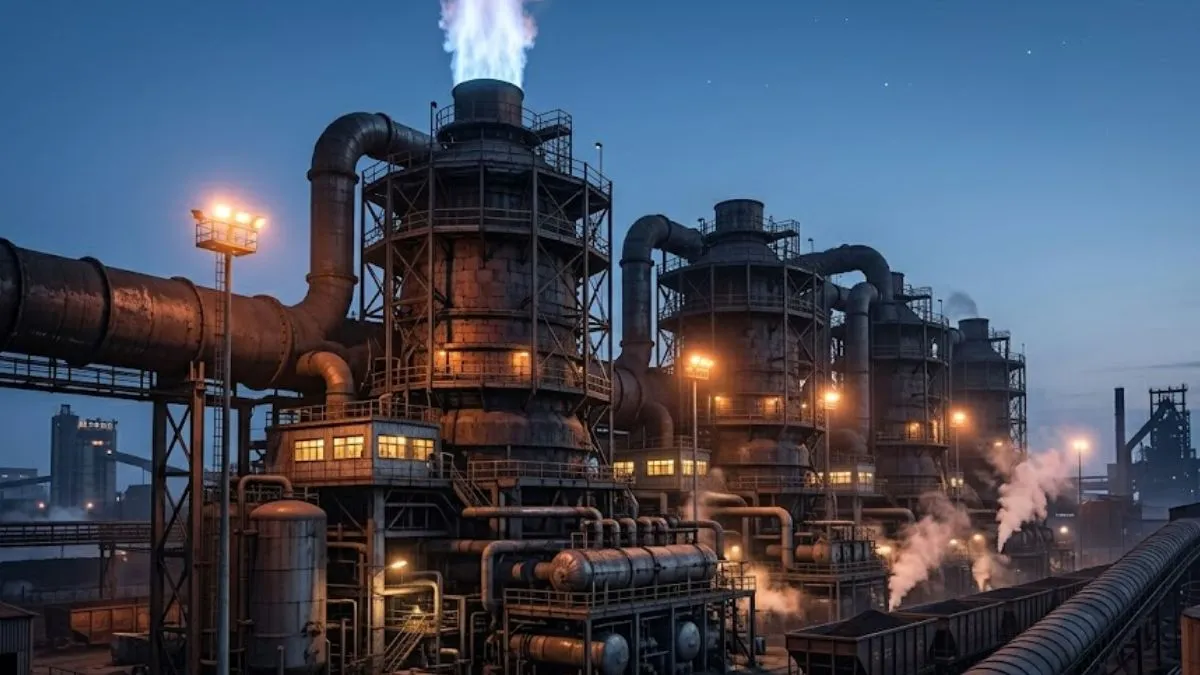
Coal gasification is a process where coal is converted into synthetic gas (syngas) through a chemical reaction instead of being burned directly. This gas can be used to produce electricity, fuel, chemicals, fertilisers, hydrogen, and methanol. Furthermore, this process helps reduce carbon emissions compared to traditional coal usage.
How It Can Help India In A Fuel Crisis?
Through this scheme, the government has targeted increasing coal gasification to 100 million tonnes by 2030, with the aim of reducing India’s dependence on imported products like LNG, ammonia, urea, and methanol. Currently, India imports more than 50 per cent of its LNG, almost all ammonia, and a large share of methanol. At a time when there is growing uncertainty over global oil supply, India is adopting ways to reduce the dependence on imports.
Under the plan, the government will provide financial support of up to 20 per cent of the cost of plant and machinery. Projects will be selected through a competitive bidding process, and funds will be released in four stages based on project progress.
The technology has proven successful in countries like China, which is currently the world’s largest user of coal gasification. Beijing uses this process to produce around 70 per cent of its methanol, over 90 per cent of its ammonia, and a significant share of its chemicals and fertilisers.
ALSO READ: Modi Cabinet Decisions: Nagpur International Airport Upgradation Approved By Govt; Check Details