
- By Raju Kumar
- Thu, 19 Mar 2026 05:18 PM (IST)
- Source:JND
US-Iran War: Israeli attacks on the South Pars Gas facilities in Iran appeared to be a turning point in the ongoing US-Israel war against Iran, which entered its 20th day, creating a global fuel crisis. The airstrike on the South Pars gas facilities has escalated a new phase in the war that threatens to worsen the crisis over global energy supplies.
Why South Pars Gas Facilities In Iran Matter
Israel and Iran had already hit energy facilities throughout the nearly three-week-old war, but Wednesday's attacks on South Pars, located in southwest Iran, the country's largest natural gas field and a central pillar of its energy system, triggered a fear of further attacks on the fuel facilities in the Gulf region. The South Pars Gas facilities account for roughly 75 per cent of Iran's natural gas production, while natural gas fuels about 85 per cent of the country's electricity grid. The field is widely regarded as the world's largest natural gas reserve and is shared between Iran and Qatar.
Why Has Trump Vowed No More Attacks By Israel On Iran Gas Field
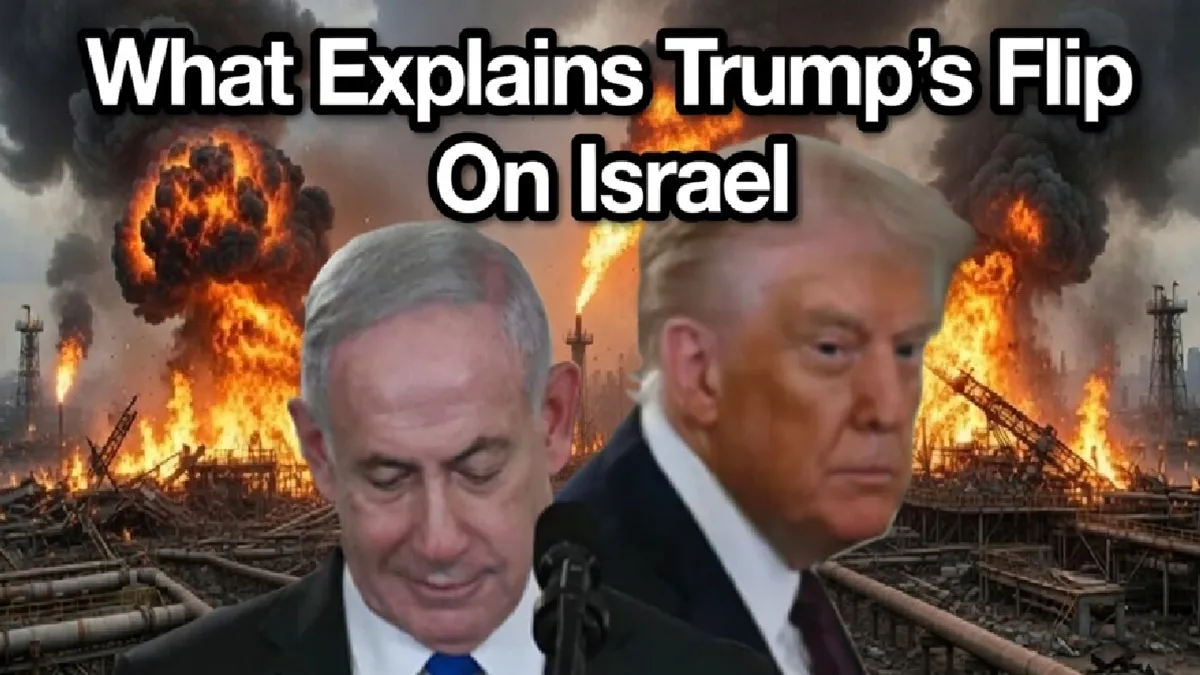
US President Donald Trump said an angry Israel "violently lashed out" and attacked Iran's major gas field, but ruled out further such attacks by Israel unless Iran retaliated. The attack on the huge South Pars gas field drove oil prices higher and prompted a threat by Iran to attack oil and gas targets across the Gulf, while it fired missiles at Qatar and Saudi Arabia. The escalation heightens the unprecedented disruption of global energy supplies that has raised the political stakes for Trump.
Trump, who is already in the crosshairs for his decision to join Israel in the war against Iran, does not want an additional global shortage of fuel, which occurred after Tehran choked the Strait of Hormuz, a strategic chokepoint between the Persian Gulf and the wider world that carries about 20 per cent of the global oil and liquefied-natural gas supply during normal times.
Affect On Market
Trump understands the language of trade. The continued attacks on the fuel facilities will lead the global market to collapse. On Thursday, European markets fell sharply as the latest escalation in the US and Israel's war with Iran sent oil prices soaring again and left top central banks grappling with when and how to handle the likely jump in inflation.
Attacks on Iran's South Pars gas field sent Brent prices shooting to USD 115 a barrel, consigning the FTSEurofirst 300 to a near 2 per cent early drop. Benchmark government bond yields - which set the global cost of borrowing - also rose as rate decisions from both the
European Central Bank and Bank of England loomed after the Bank of Japan and the US Federal Reserve both aired their concerns
about the conflict.
Iran Retaliates By Targeting Fuel Facilities
Qatar's state oil giant QatarEnergy reported "extensive damage" after Iranian missiles hit the Ras Laffan Industrial City that processes about a fifth of global as supply. Saudi Arabia said it intercepted and destroyed four ballistic missiles launched toward Riyadh on Wednesday and an attempted drone attack on a gas facility in its east.
Thus, the fear of a further deteriorating fuel supply situation compelled Trump to tone down his approach towards the war and assured that he would not allow Israel to target fuel facilities.
(With Agencies inputs)