
- By Kamakshi Bishnoi
- Tue, 07 Apr 2026 09:08 PM (IST)
- Source:JND
Iran established criteria that must be met before negotiations will start with the US concerning a long-term solution to the current war. The nation requested an end to all hostilities by both parties immediately; assurance that there will be no more hostilities in the future; and authority to collect transit tolls for vessels passing through the Strait of Hormuz. The toll amounts will vary based on the class/type of shipping vessel and the type of cargo being moved.
Meanwhile, US President Donald Trump issued a stark warning on Monday, saying “the entire country of Iran could be taken out in one night and that night might be tomorrow” if it failed to comply with his ultimatum to reopen the Strait of Hormuz.
ALSO READ: India Issues Advisory For Nationals In Iran, Urges Staying Indoors Amid Trump's Deadline
Iran Cuts Communication With US
According to the Tehran Times, Iran has recently announced to cease all diplomatic and indirect means to communicate with the US ahead of Trump’s deadline for reopening the Strait of Hormuz. All avenues for exchanging messages have been halted.
"Iran has closed all diplomatic and indirect channels of communication with the United States. All message exchanges have also been suspended," the outlet reported.
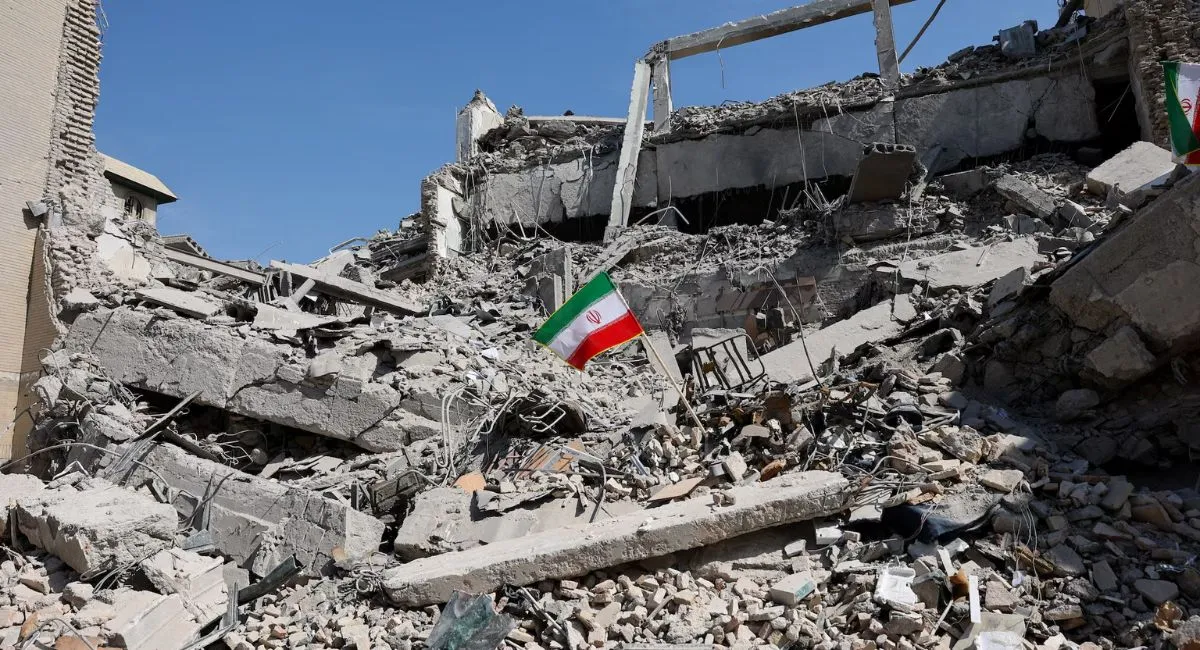
Even as both sides were reportedly reviewing ceasefire possibilities, fresh strikes were reported across Iran. Officials said at least two bridges, railway infrastructure and a major highway were damaged in a new wave of US-Israeli attacks targeting key installations. A bridge near the holy city of Qom, along with another carrying a railway line in Kashan, were among the sites hit.
Temporary Ceasefire Rejected
Earlier, Tehran rejected the idea of a temporary ceasefire. According to Reuters, a senior official stated that Iran is seeking compensation for the damage caused since the conflict began. Since February 28, the scope of strikes has expanded significantly, from leadership-linked locations to critical infrastructure across the country.
In the capital, early attacks targeted areas such as the Pasteur district and the Sa’dabad complex, followed by strikes on the IRIB headquarters and the Thar-Allah military command on March 1.
ALSO READ: US-Iran War Set To Escalate Further? Tehran Cuts All Channels With US As Deadline Nears
Energy infrastructure soon became a focus. On March 7 and 8, Israeli strikes hit oil depots in Shahran, Aqdasieh and Shahid Dolati, along with the Tehran refinery, sparking fires and triggering warnings of toxic “black rain.”
Civilian areas have also been affected. A strike on the Shajareh Tayyebeh school in Minab reportedly killed over 175 people, including more than 100 schoolgirls.
Transport networks were later targeted as well. The US targeted the Karaj B1 bridge on April 2, severing an important transport route between Tehran and Alborz, while also bombarding other areas that were used as ports, including Bandar Abbas, causing several fires to occur in those ports.