- By Ajeet Kumar
- Tue, 26 May 2026 08:31 AM (IST)
- Source:JND
- US military action during Iran talks weakens trust.
- Diplomacy and military pressure now run in parallel.
- Three scenarios: escalation, fragile deal, or dangerous spiral.
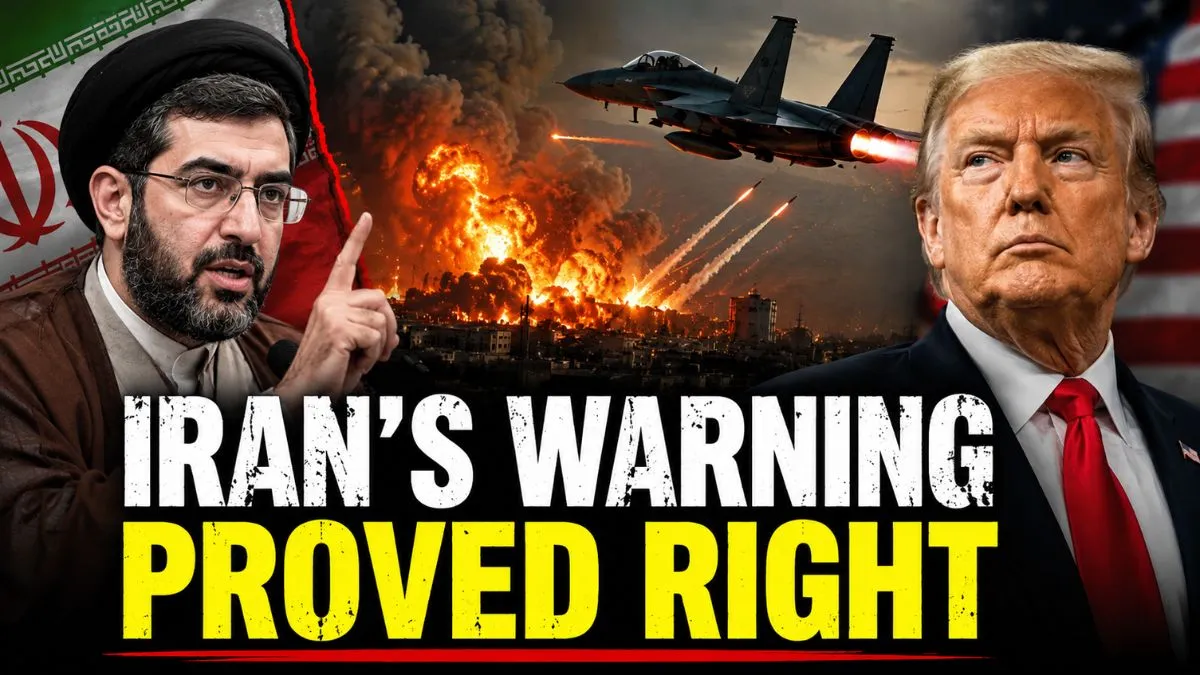
When Iran warned that the United States could still strike even while negotiations were underway, many dismissed it as diplomatic posturing. But fresh US military action during an active phase of talks has strengthened Tehran’s argument that diplomacy and military pressure are now running in parallel rather than separately.
Iran’s suspicion was rooted in recent history. Since the beginning of the this year crisis, Washington has repeatedly mixed negotiations with threats of force. Even while US President Donald Trump publicly signaled openness to a deal, he also warned that military action remained “on the table” if Tehran failed to comply with demands over uranium enrichment, regional security and maritime access in the Strait of Hormuz.
Attack during diplomacy
Tehran interpreted this dual-track approach as a warning sign. Iranian officials repeatedly argued that talks were fragile because American messaging was inconsistent, one side speaking diplomacy while the military maintained pressure in the Gulf. Iran’s Foreign Ministry recently said progress had been made on several negotiation points but stressed that no agreement was close, partly due to shifting US positions.
ALSO READ: 'World Will Get Some Good News': From Indian Soil, Marco Rubio Signals Big Breakthrough In Iran War
The latest US strikes, described by Washington as “self-defense” actions against Iranian threats near the Strait of Hormuz, may not signal a collapse of diplomacy, but they have undoubtedly weakened trust.
What Happens Next?
The world is now staring at three possible scenarios.
First, controlled escalation. The US and Iran may continue limited strikes while quietly keeping negotiations alive. This is currently the most likely path because neither side appears ready for a full-scale regional war.
Second, a fragile deal. If both sides compromise, especially on sanctions and nuclear restrictions, a temporary ceasefire framework could emerge, reopening Hormuz and calming oil markets.
Third, a dangerous spiral. One miscalculation in the Gulf could trigger a wider conflict involving Gulf states, Israel and global powers, sending oil prices soaring and disrupting global trade.
For the world, the biggest lesson is unsettling: in modern geopolitics, negotiations no longer guarantee peace, sometimes they unfold alongside preparations for war.
(With inputs from Reuters)
You may also like to watch