
- By Vaidika Thapa
- Wed, 08 Apr 2026 05:56 PM (IST)
- Source:JND
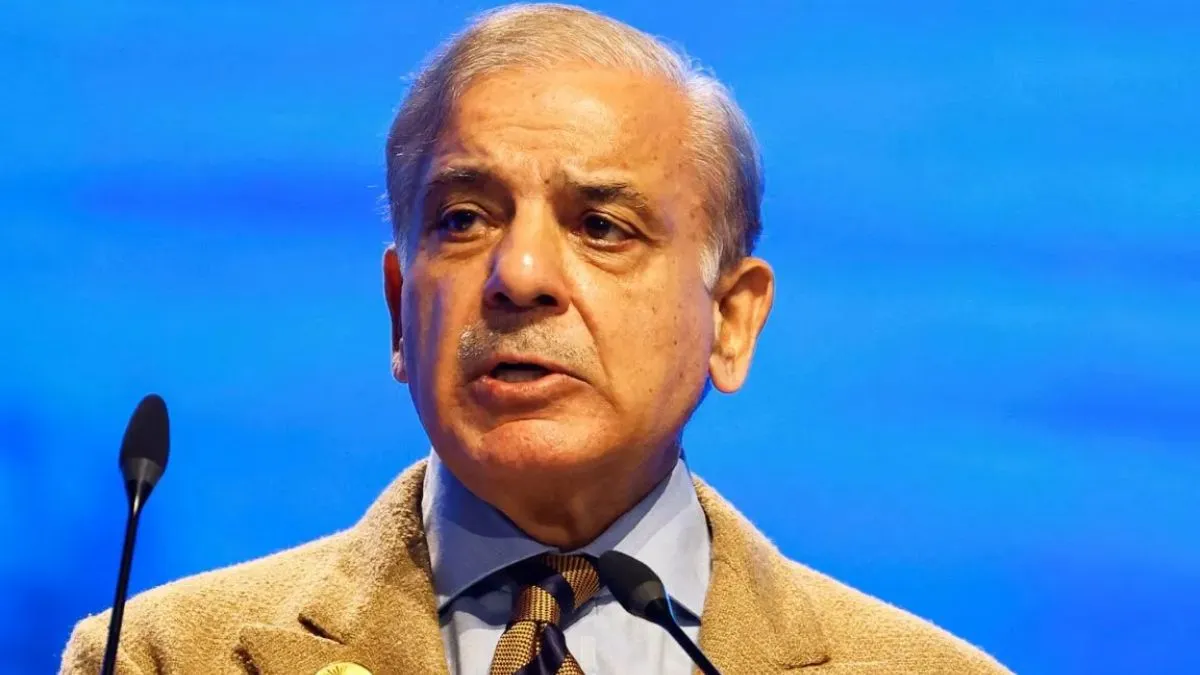
In a major diplomatic breakthrough, United States President Donald Trump on Tuesday announced a two-week ceasefire with Iran, agreeing to pause planned military strikes. The decision followed Trump’s conversation with Pakistan Prime Minister Shehbaz Sharif and Army Chief Asim Munir, who urged restraint. With this development, Pakistan has emerged as a key mediator in easing tensions and opening the door for talks.
In a post on Truth Social, Trump said he agreed to stop the attacks after speaking with the Pakistan PM. He also indicated that he is considering multiple peace proposals sent by Iran. He wrote, “Based on conversations with Prime Minister Shehbaz Sharif and Field Marshal Asim Munir, of Pakistan, and wherein they requested that I hold off the destructive force being sent tonight to Iran, and subject to the Islamic Republic of Iran agreeing to the COMPLETE, IMMEDIATE, and SAFE OPENING of the Strait of Hormuz, I agree to suspend the bombing and attack of Iran for a period of two weeks. This will be a double sided CEASEFIRE!”
How Pakistan Played A Big Role In Pausing Strikes?
Sharif also welcomed the decision, adding that he has invited Iran and the US delegation to meet in Islamabad and have further discussions. “I warmly welcome the sagacious gesture and extend deepest gratitude to the leadership of both the countries..And invite their delegations to Islamabad on Friday, 10th April 2026, to further negotiate for a conclusive agreement to settle all disputes.”
All these developments indicate that Pakistan effectively positioned itself as an important mediator between two sides. In the middle of the conflict, Sharif had earlier urged Trump to give diplomacy more time, saying, “To allow diplomacy to run its course, I earnestly request President Trump to extend the deadline for two weeks.” He had also urged Iran to reopen the Strait of Hormuz as a “goodwill gesture.”
ALSO READ: Iran War: Trump Suspends Bombing For Two Weeks; Tehran Demands 10-Point Proposal
Munir reportedly also held talks with US and Iranian officials to push for a ceasefire. According to reports, citing officials of both sides, there was constant communication between Washington and Tehran leaders. Meanwhile, Sharif has now expressed hope that these “Islamabad Talks” will lead to a final agreement and bring long-term peace and stability to the region.
Why Pakistan Stepped In As Mediator?
Despite its own economic and political challenges, Pakistan may have stepped in for many reasons including its diplomatic relation with the US, long borders with Iran and close ties with Saudi Arabia, a Gulf country which came under Tehran’s retaliatory attack during the conflict. Moreover, the country must also be concerned about energy supplies affected by the blockade of the Strait of Hormuz. Pakistan has been facing an energy crisis for the past two decades. Reports suggest that there is a big gap in energy supply and demand, which is increasing day by day.