
- By Ajeet Kumar
- Mon, 11 May 2026 01:46 PM (IST)
- Source:JND
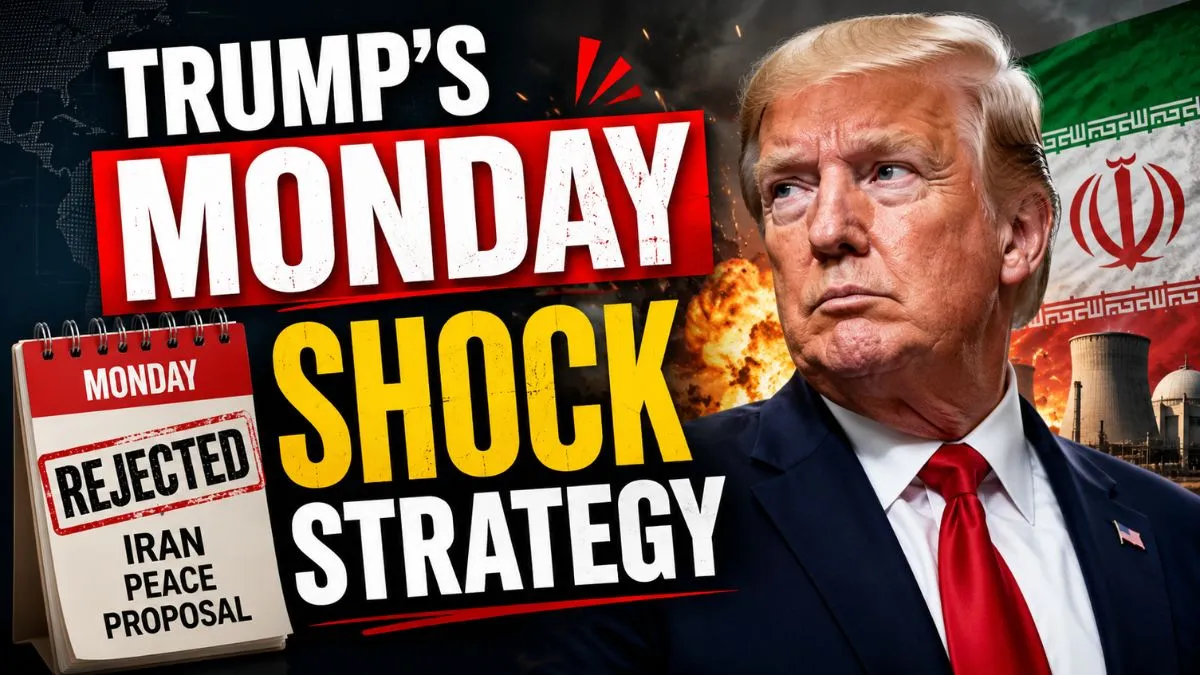
- Trump rejected Iran's peace proposal as "unacceptable."
- Oil prices surged following the US rejection.
- Monday rejections maximize global media impact.
US President Donald Trump has again chose Monday to reject Iran's response to a US peace proposal and called it "totally unacceptable". “I have just read the response from Iran’s so-called “Representatives.” I don’t like it — TOTALLY UNACCEPTABLE!” read the post of the US President on his social media platform, Truth Social. This sent oil prices surging higher on Monday amid concerns the 10-week-old conflict will drag on, keeping shipping through the Strait of Hormuz paralysed.
What are Iran’s demands?
Days after the US floated an offer in the hopes of reopening negotiations, Iran on Sunday released a response focused on ending the war on all fronts, especially Lebanon, where US ally Israel is fighting Iran-backed Hezbollah militants.
Tehran also included a demand for compensation for war damages and emphasised Iranian sovereignty over the Strait of Hormuz, Iranian state TV said. It also called on the US to end its naval blockade, guarantee no further attacks, lift sanctions and end a US ban on Iranian oil sales, the semi-official Tasnim news agency said.
Within hours, Trump dismissed Iran's proposal with a post on social media. "I don’t like it — TOTALLY UNACCEPTABLE," Trump wrote on Truth Social, without giving further detail. The US had proposed an end to fighting before starting talks on more contentious issues, including Iran's nuclear program.
Iran calls its demands legitimate
Iran's proposal to end the war with the US and reopen the Hormuz was legitimate and generous, Foreign Ministry Spokesperson Esmaeil Baghaei said on Monday, adding that the US continues to uphold unreasonable and one-sided demands."Our demand is legitimate: demanding an end to the war, lifting the (US) blockade and piracy, and releasing Iranian assets that have been unjustly frozen in banks due to U.S. pressure," Baghaei said.
"Safe passage through the Strait of Hormuz and establishing security in the region and Lebanon were other demands of Iran, which are considered a generous and responsible offer for regional security."
Oil prices jumped $3 a barrel
Oil prices jumped $3 a barrel on Monday following news of the continued stalemate that leaves the narrow Strait of Hormuz largely closed. Before the war the waterway carried one-fifth of the world's oil supply and has emerged as one of the central pressure points in the war.
ALSO READ: US And Iran Close To One-Page Deal To End War: What Does The Framework Include?
What's next?
It's not clear what fresh diplomatic or military steps may be ahead. Trump is expected to arrive in Beijing on Wednesday. With mounting pressure to draw a line under the war and the global energy crisis it has ignited, Iran is among the topics Trump and Chinese President Xi Jinping are set to discuss. Trump has been leaning on China to use its influence to push Tehran to make a deal with Washington.
Addressing whether combat operations against Iran were over, Trump said in remarks aired on Sunday: "They are defeated, but that doesn't mean they're done." Iran's President Masoud Pezeshkian said in a social media post that Iran would "never bow down to the enemy" and would "defend national interests with strength."
Why Monday becomes Trump’s favourite day to reject Iran peace offers
- Monday rejections create maximum global media impact as markets, diplomats, and newsrooms restart the week.
- Trump often uses Monday announcements to dominate the political narrative for the entire week.
- Rejecting Iran's proposals on Monday also pressures oil markets and signals immediate toughness to allies and rivals.
(With inputs from Reuters)