
- By Vaidika Thapa
- Tue, 17 Mar 2026 04:53 PM (IST)
- Source:JND
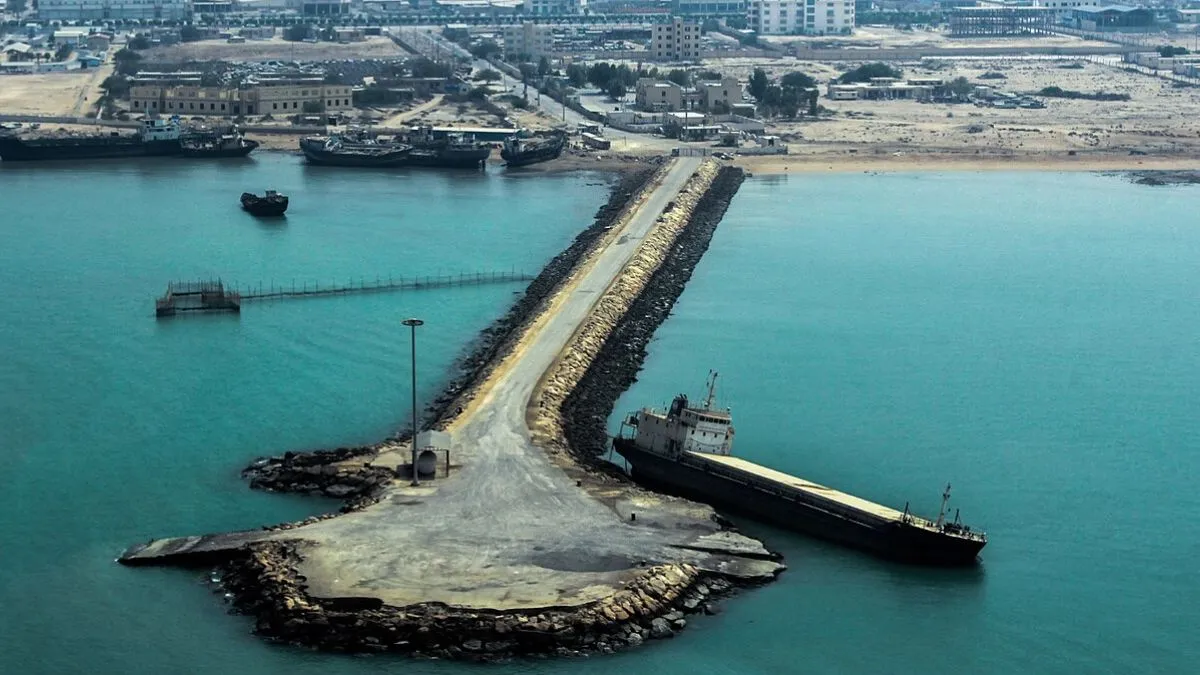
Qeshm Island, once known for its natural beauty and tourism, has now become a key focus in the ongoing conflict involving the United States, Israel and Iran. It came to light after a desalination plant on the island was hit by air strikes on March 7. This disrupted fresh water supply to several villages, raising concerns among the inhabitants of the island.
Iran's Foreign Minister Abbas Araghchi had accused the US of attacking a desalination plant on a Gulf island, saying it had set a precedent. "The US committed a blatant and desperate crime by attacking a freshwater desalination plant on Qeshm Island," he wrote on X.
Strategic Importance Of Qeshm Island
The island is located near the Strait of Hormuz, one of the world’s most important routes for oil shipments. Due to its size and position, Qeshm is seen as a strategic point that can influence movement through the strait. Qeshm island, which was once a tourist attraction and a free-hub is now being considered a military stronghold as tensions escalate in the Middle East.
ALSO READ: Why European Nations Refused To Join Trump's Desperate Plea To Secure Hormuz? Top Reasons Explained
According to reports, beneath the island lies a network of underground missile facilities linked to the Islamic Revolutionary Guard Corps (IRGC). These “missile cities” are believed to play a major role in Iran’s defence strategy, especially in controlling access to the strait during conflicts. Retired Lebanese Brigadier-General and military expert Hassan Jouni, told Al Jazeera that Qeshm houses "striking Iranian capabilities.” According to him, these vast networks are designed for one primary purpose, which is to “effectively control or close the Strait of Hormuz.”
Unique Environment Of Qeshm
The island serves as a strategic hub for Iran's naval and military operations in the Persian Gulf. This has drawn attention from the US and its allies, as military deployments in the region continue to grow. Despite the ongoing conflict, Qeshm remains home to thousands of people who rely on the sea for their livelihood. The island is known for its unique environment, which includes mangrove forests, Namakdan Salt Cave and geological sites that are protected.
It is an arrow-shaped island, measuring roughly 1,500 square kilometres and is separated from the Iranian mainland by the Clarence Strait (Khuran). According to the 2011 census, the island comprises 59 towns and villages with a population of 117,774. However, as tensions between Iran, the US, and Israel continue, its cultural and natural significance is being overshadowed by strategic importance.