
- By Ajeet Kumar
- Sun, 10 May 2026 01:06 PM (IST)
- Source:JND
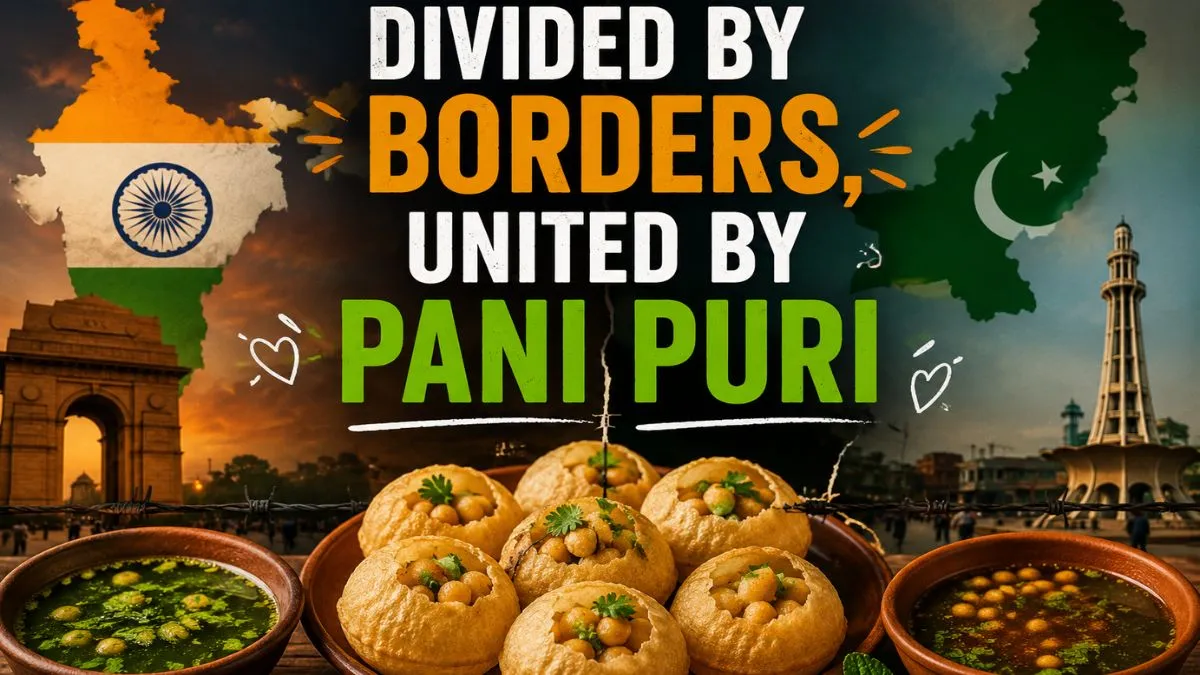
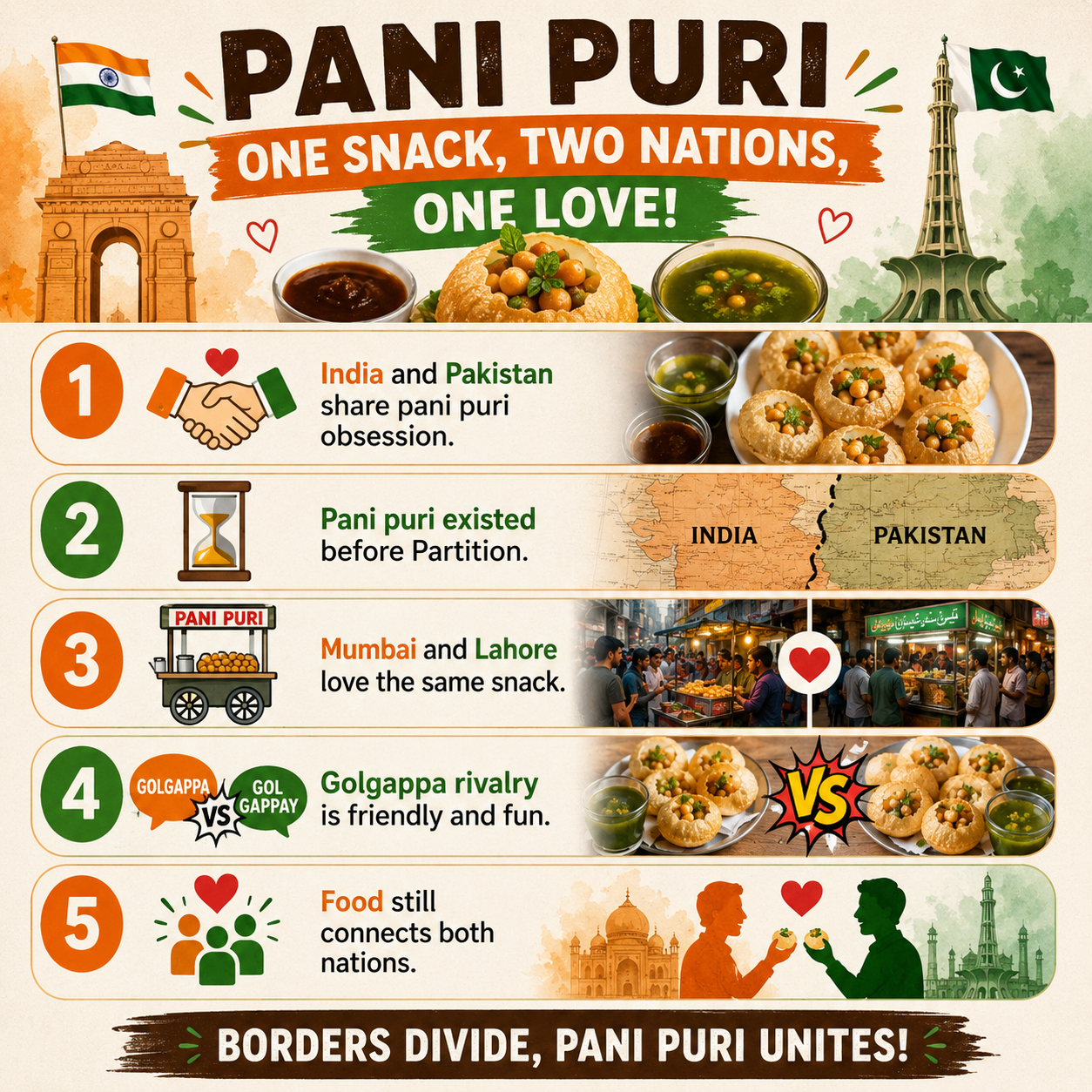
- India and Pakistan share a deep pani puri obsession.
- Street snack transcends political borders, fostering connection.
- Pani puri's history predates Partition, evolving regionally.
For two countries divided by borders, politics, wars, and decades of rivalry, India and Pakistan still share one unstoppable obsession, the humble "pani puri". Whether it is called golgappa in Delhi, puchka in Kolkata, or gol gappay in Lahore and Karachi, the crispy, spicy street snack remains perhaps the most delicious reminder that the subcontinent’s cultural roots still run deep.
Walk through the crowded lanes of Mumbai or the bustling food streets of Lahore, and the scene feels strangely familiar. A vendor stands behind a steel cart, fingers moving at lightning speed as he cracks tiny puris, stuffs them with potatoes or chickpeas, dips them into tangy mint water, and serves them one after another to impatient customers.
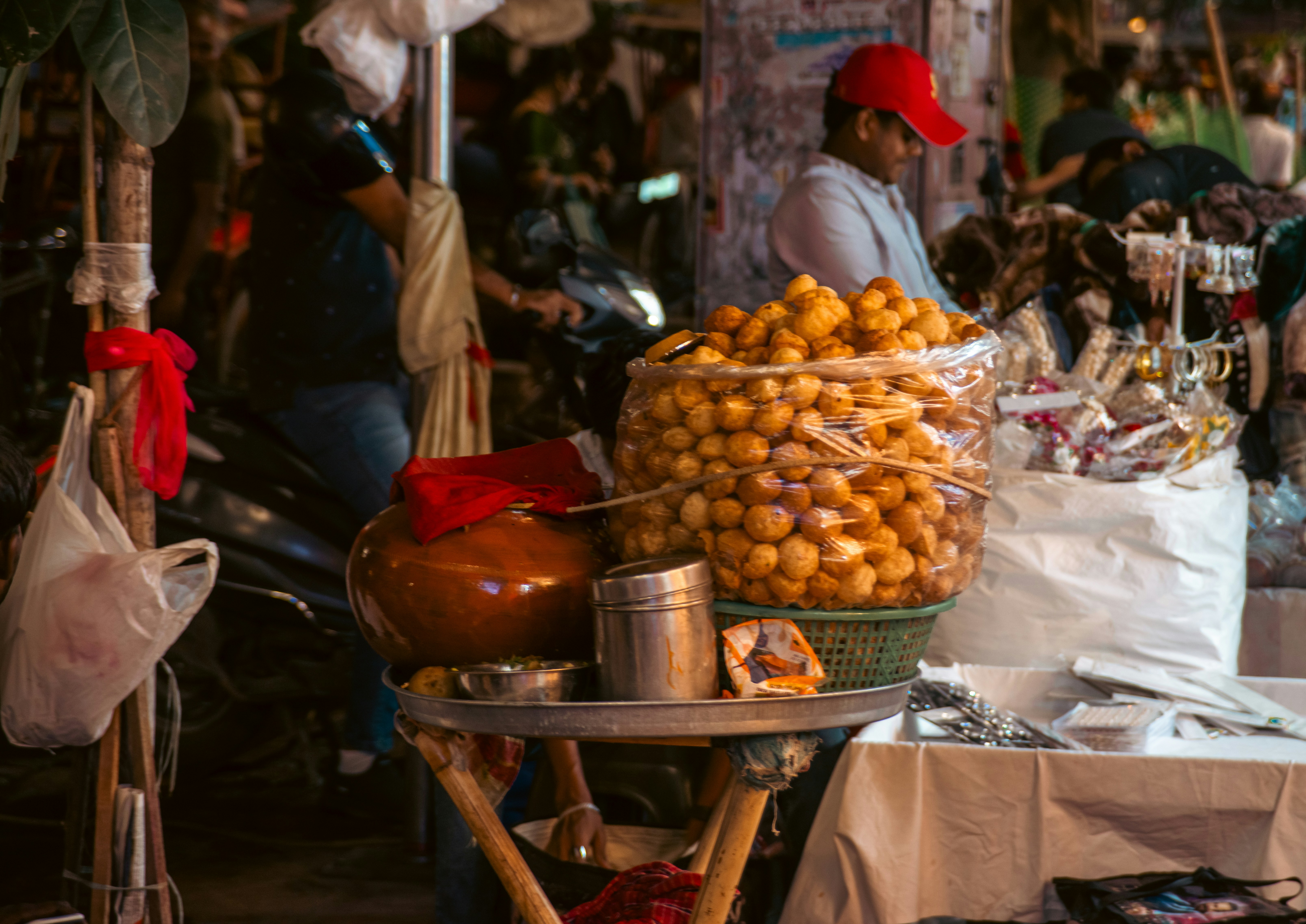
(Credit: Unsplash)
"Thoda aur teekha"
Around him, people compete to see who can eat the most without crying from the spice. For a few minutes, national identities disappear, replaced by watery eyes, laughter, and requests for “thoda aur teekha.”
How two different countries have same obsession for snacks
The snack’s history itself predates Partition. Food historians trace pani puri’s origins to ancient northern India, long before India and Pakistan became separate nations in 1947. After Partition, recipes travelled with migrating families, evolving differently on each side of the border.
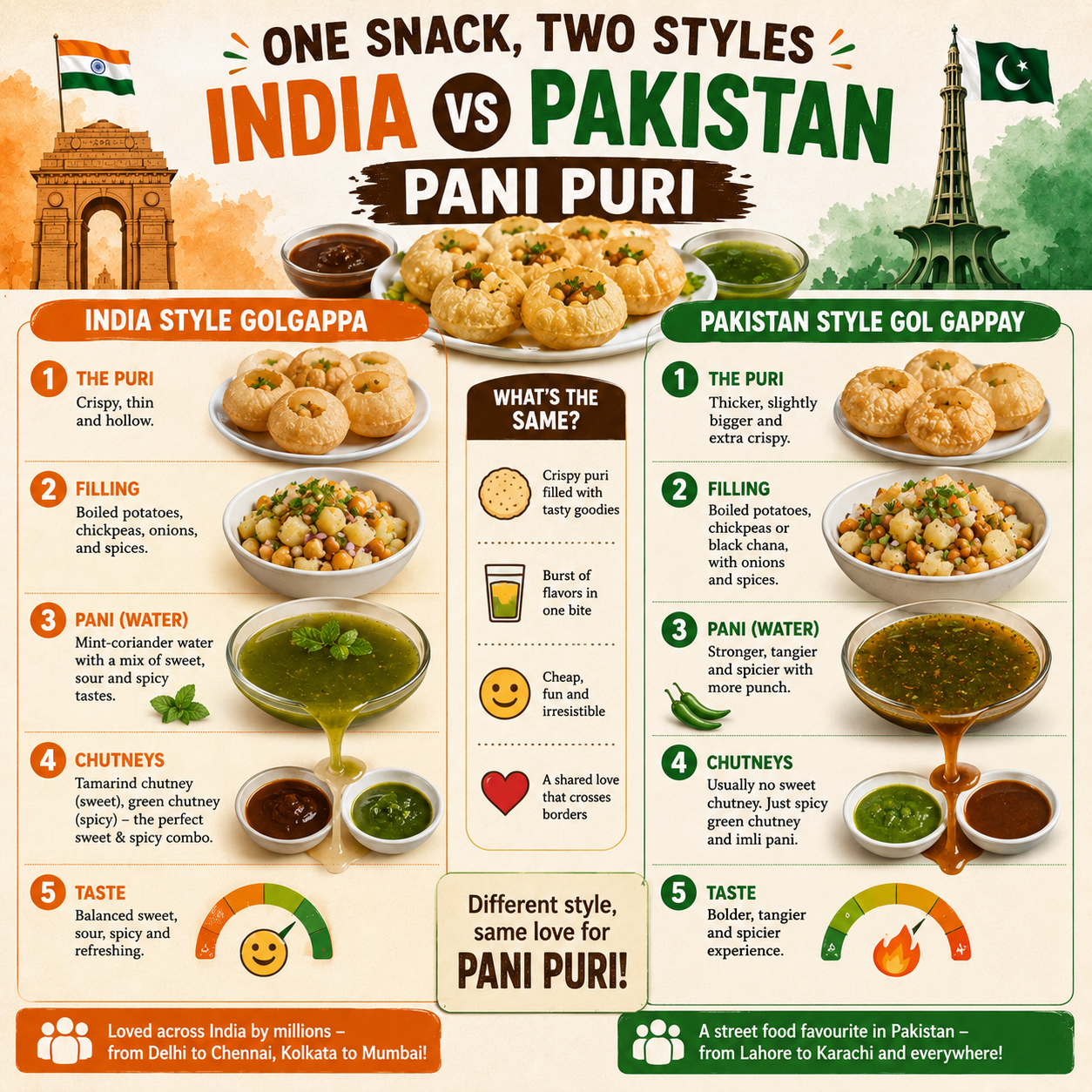
In India, some regions added sweet tamarind chutney, while in Pakistan, vendors often experimented with stronger spices and tangier fillings. Yet the soul of the dish remained unchanged, crunchy, messy, cheap, and addictive.
India vs Pakistan: Which country wins the street food's taste?
Social media has only strengthened this unlikely culinary connection. Videos comparing Indian golgappas and Pakistani gol gappay regularly go viral, with users from both countries arguing passionately over which version tastes better. But beneath the playful rivalry lies a rare sense of familiarity. In a region where almost everything becomes political, pani puri manages to stay joyfully personal.
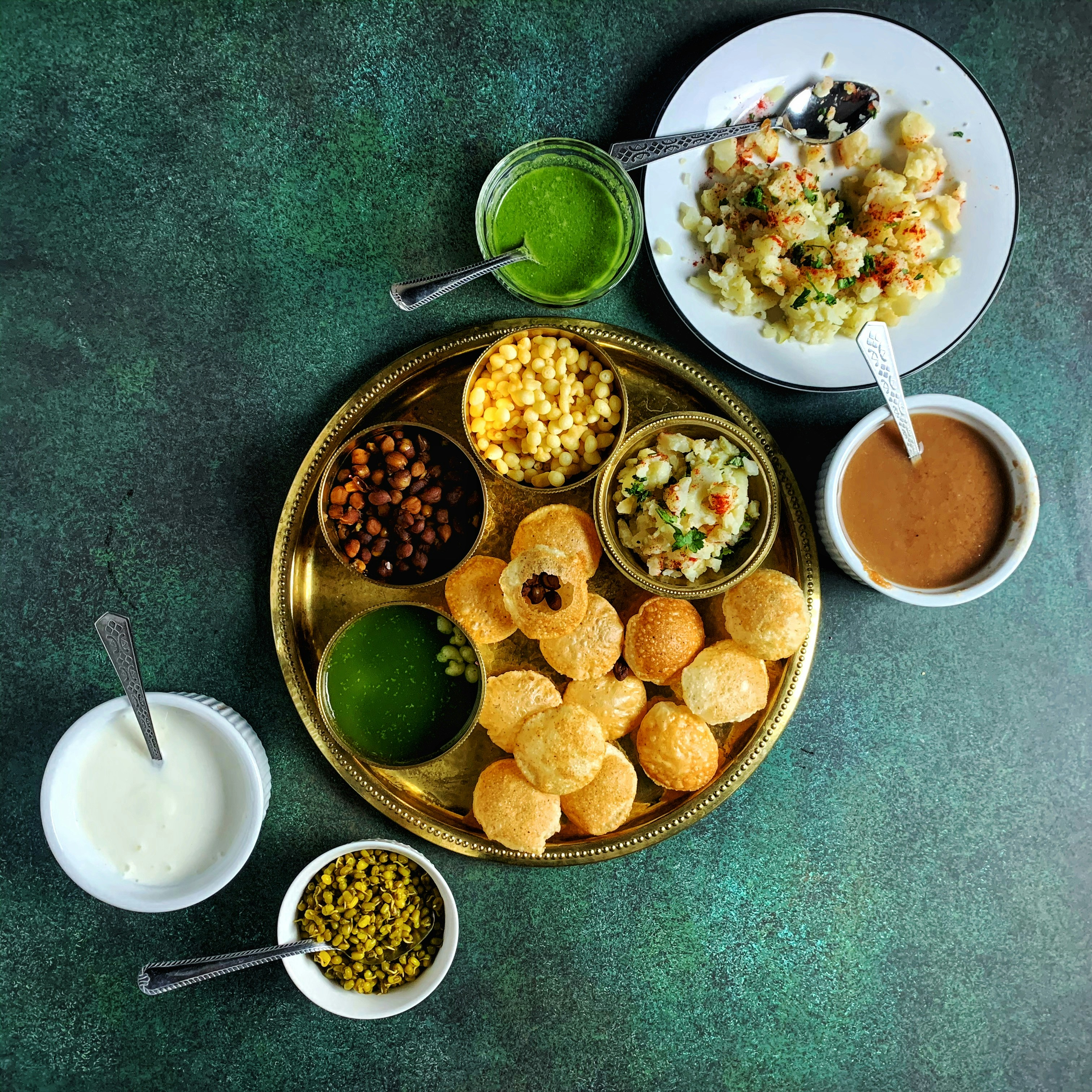
(CREDIT: UNSPLASH)
Street food experts often say shared cuisine reveals more about people than diplomacy ever can. India and Pakistan may disagree on borders, cricket matches, and geopolitics, but both nations understand the universal thrill of standing beside a roadside cart waiting for that perfectly spicy bite.
Perhaps that is the biggest irony of South Asia-- while governments build walls, pani puri quietly continues to build connections, one crunchy puri at a time.
You may also like to watch