
- By Raju Kumar
- Tue, 31 Mar 2026 10:16 PM (IST)
- Source:JND
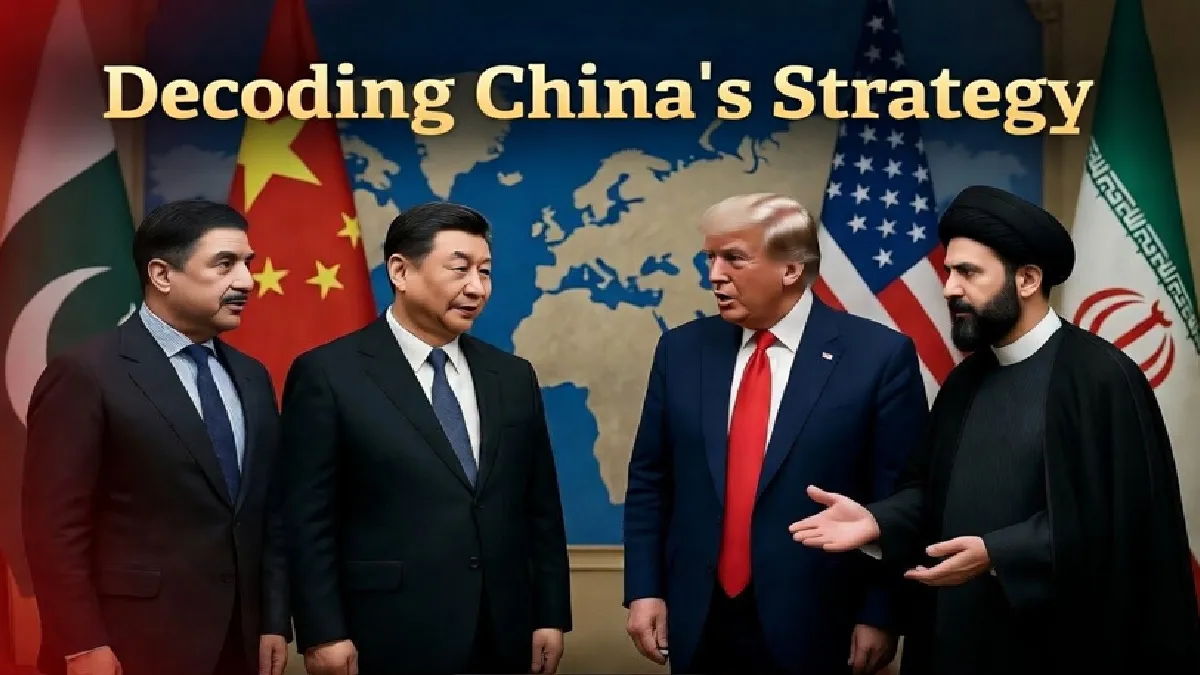
US-Iran War: Even after one month of the US-Israel war against Iran, no headway has been achieved for the ending the armed conflict. Pakistan, which appeared as a peace broker, attempted to rope in China to bring the warring sides to the dialogue table. Pakistan Foreign Minister Mohammad Ishaq Dar arrived in Beijing. He met his counterpart, Wang Yi. Dar's trip to Beijing comes after Pakistan hosted talks with Turkey, Egypt and Saudi Arabia on Sunday and Trump's warning to "obliterate" Iran's oil wells and power plants if it does not open the Strait of Hormuz.
China-Pakistan's Five-Point Initiative
After the meeting, they called for an immediate ceasefire in the Gulf and the wider Middle East, urging the swift launch of peace talks and the restoration of normal navigation in the Strait of Hormuz.
"Dialogue and diplomacy are the only feasible ways to resolve conflicts. China and Pakistan support the parties concerned in initiating negotiations, and all sides should commit to resolving disputes through peaceful means," China and Pakistan said in a five-point initiative put forward during the meeting.
Here Are Other Highlights Of Initiatives:
- The sovereignty, territorial integrity, national independence and security of Iran and Gulf countries should be safeguarded.
- The protection of civilians, civilian infrastructure and peaceful nuclear facilities.
- The safety of waterways must be ensured, including that of ships and crews stranded in and around the Strait of Hormuz.
- All parties to "arrange for civil and commercial vessels to pass through safely as soon as possible and restore normal navigation in the strait at an early date.
Is China Ready To Mediate?
China, which adopted a strategic silence amid US aggression in the Middle East, has now shown some willingness to coordinate and support mediation efforts, but it is not positioning itself as the primary or direct mediator.
"China is willing to work with Pakistan to overcome difficulties, remove obstacles, bring the fighting to an end as soon as possible, create opportunities for peace and open the window for peace talks," Wang said, according to a statement from China's Foreign Ministry.
China's Strategy On The US-Iran War?
China, Iran's biggest oil trade importer, surprisingly has shown a moderate approach, calling for de-escalation of the tension in the region. Beijing's strategy is calculated restraint and pragmatic opportunism. Beijing has issued diplomatic condemnations, calling US-Israeli strikes a violation of international law and urging an immediate ceasefire. However, it has avoided any direct military involvement or major material support for Iran. China's core priorities remain protecting its economic interests.
(With Reuters Inputs)