
- By Ajeet Kumar
- Tue, 17 Mar 2026 08:38 AM (IST)
- Source:JND
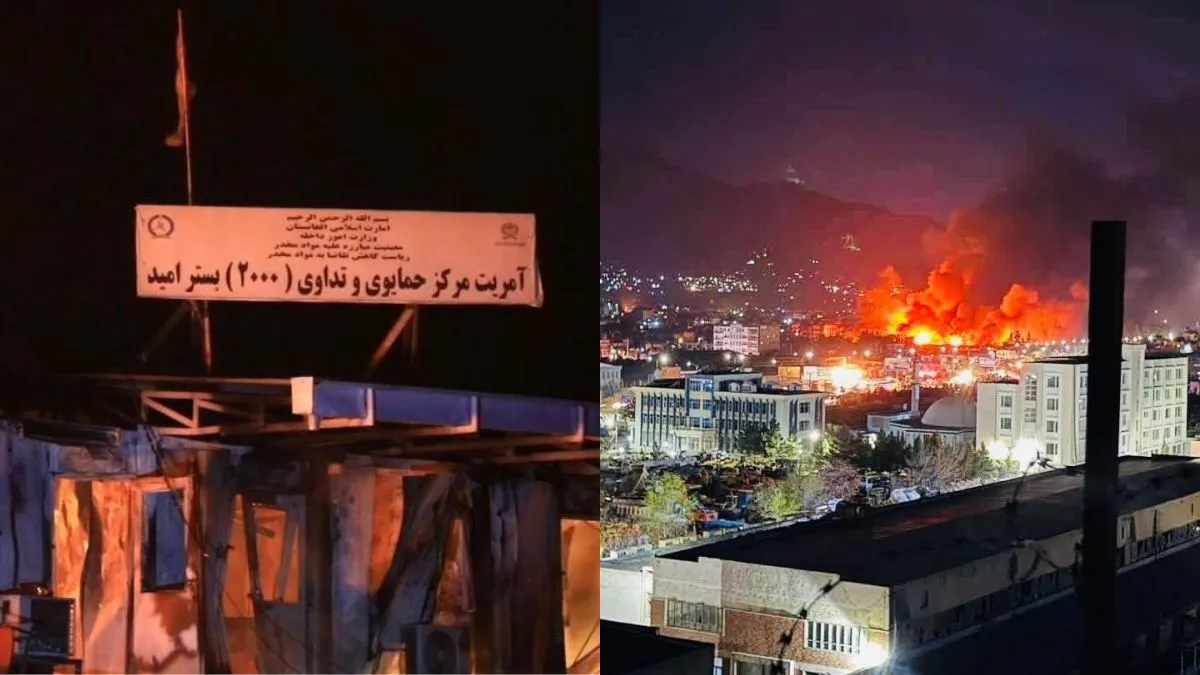
- Afghanistan alleges Pakistan targeted Kabul drug hospital, 400 dead.
- Pakistan denies, says strikes hit TTP military sites.
- Escalation due to TTP attacks, cross-border terrorism claims.
Afghanistan on Monday accused Pakistan's military of targeting a Kabul hospital that treats drug users in airstrikes, with the country's Health Ministry spokesman saying more than 400 people had been killed. The latest strike came after four people were killed in an alleged Taliban attack on Pakistan borders. Pakistan dismissed the accusation, saying the strikes, which were also conducted in eastern Afghanistan - did not hit any civilian sites. This is not the first time that the two neighbouring countries have been involved in deadly airstrikes, but neither of them is accepting targeting civilians.
Pakistan insists the strikes hit military installations, ammunition storage, and terrorist infrastructure in Kabul and Nangarhar, not the hospital, dismissing Afghan claims as propaganda, though Taliban reports cite massive civilian casualties at the drug treatment facility.
What Afghanistan claims
Afghanistan's deputy government spokesman said early Tuesday that the death toll from an airstrike by Pakistan that hit a hospital treating drug users in the Afghan capital, Kabul, has increased to 400. In a post on X, Hamdullah Fitrat said the strike on Monday night had destroyed large sections of the hospital. He said the death toll so far stood at 400, while a further 250 people had been reported injured. Fitrat said rescue teams were trying to control the fire at the building and recover the bodies of the victims.
The Pakistani military regime carried out an airstrike at approximately 9:00 PM this evening on the Omid Addiction Treatment Hospital, a 2,000-bed facility dedicated to the treatment of drug addiction. As a result of the attack, large sections of the hospital have been destroyed,…
— Hamdullah Fitratحمدالله فطرت (@FitratHamd) March 16, 2026
Afghanistan's government spokesman, Zabiullah Mujahid, also posted the video interview. Local television stations posted footage showing firefighters struggling to extinguish flames among the ruins of a building.
This is not Gaza or Iran, it’s Afghanistan.
— Globe Observer (@_GlobeObserver) March 16, 2026
Pakistan carried out a airstrike on a rehab hospital in Kabul, killing over 200 people and injuring around 170, says fghan Health Ministry. pic.twitter.com/xMrcU9MGjN
Pakistan refutes Taliban's claim
Pakistani Prime Minister Shehbaz Sharif's spokesman, Mosharraf Zaidi, dismissed the allegations as baseless, saying no hospital was targeted in Kabul. In a post on X, Pakistan's Ministry of Information said the strikes "precisely targeted military installations and terrorist support infrastructure, including technical equipment storage and ammunition storage of Afghan Taliban" and Afghanistan-based Pakistani militants in Kabul and Nangarhar, saying the facilities were being used against innocent Pakistani civilians.
It said Pakistan's targeting was "precise and carefully undertaken to ensure no collateral damage is inflicted." The ministry said Mujahid's claim was "false and misleading" and aimed at stirring sentiment and cover what it described as "illegitimate support for cross-border terrorism."
Why are Pakistan and Afghanistan fighting despite being neighbours?
Retaliation against TTP attacks: Pakistan blames the Tehreek-e-Taliban (TTP) or Pakistani Taliban for a surge in deadly attacks inside Pakistan, viewing the Kabul strike as part of ongoing operations to hit TTP-linked facilities.
ALSO READ: Pakistan Blast: Family Of 5 Killed In Massive Explosion In Region Close To Afghanistan Border
TTP safe havens in Afghanistan: Islamabad accuses the Afghan Taliban government of sheltering TTP leaders, fighters, and support infrastructure on Afghan soil, allowing cross-border attacks; strikes target these alleged hideouts and "terrorist support" sites.
Escalation in ongoing border conflict: This fits into the Afghanistan–Pakistan conflict that began in late February with Pakistani airstrikes on TTP and ISIS-K camps, followed by retaliatory Afghan actions; recent strikes, including Kabul, aim to degrade militant capabilities amid failed diplomacy.
Pressure to counter internal security threats: Facing rising militant violence blamed on Afghanistan-based groups, Pakistan's military conducts "intelligence-based" operations to prevent further attacks on its soil, soldiers, and civilians.
(With inputs from agency)