
- By Priyanka Koul
- Fri, 08 May 2026 01:43 PM (IST)
- Source:JND
After weeks of rising tensions and blockades involving Iran and the United States in the Strait of Hormuz, the narrow but crucial waterway has become main issue in the ongoing west asia conflict. While the US has begun escorting ships through the strategic passage, a larger battle over global energy trade and economic influence appears to be unfolding in the background that could reshape global energy trade and challenge America’s financial dominance.
According to The Conversation, beyond the ongoing struggle between Iran and the US over control of the global flow of oil, gas, helium and fertilisers from the region, another major development has added to the uncertainty. The United Arab Emirates, a key US ally, has reportedly withdrawn from OPEC in what is being described as a major setback for the oil cartel.
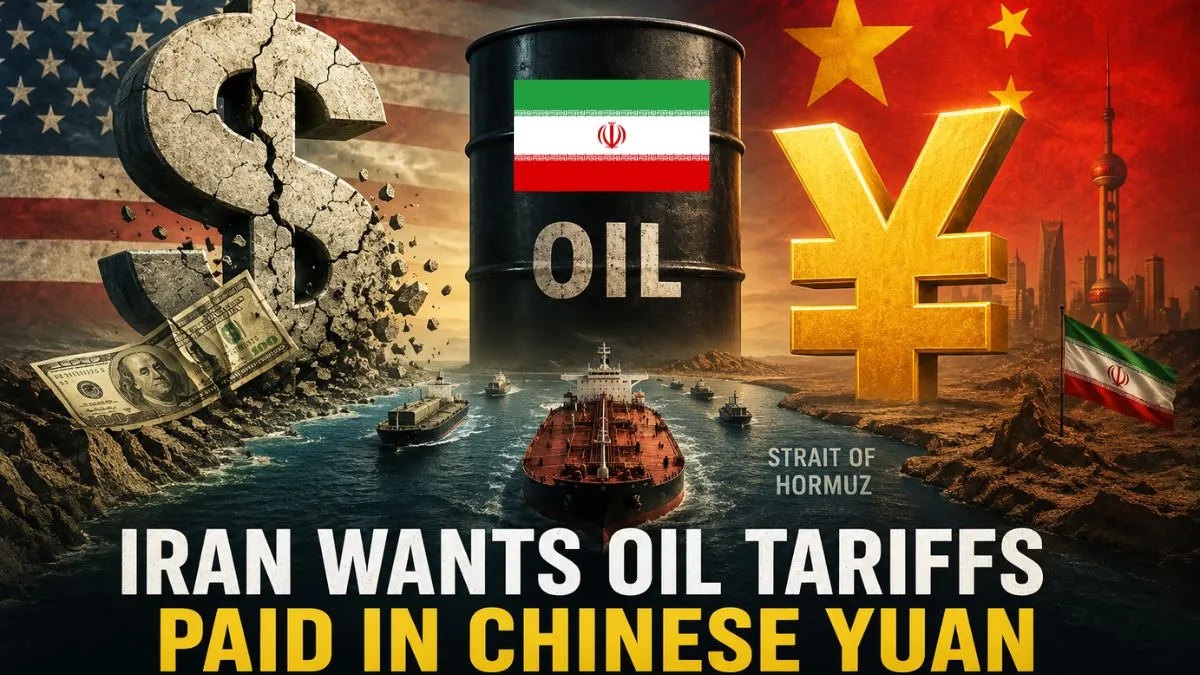
At the same time, Iran has announced plans to impose tariffs in the Strait of Hormuz as reparations for damage caused during the conflict. If implemented, these tariffs could reportedly generate between USD 40 billion and USD 50 billion annually for Tehran, potentially helping the country offset the impact of long-standing US sanctions.
What makes the move even more significant is Iran’s reported decision to accept payments in Chinese yuan instead of US dollars. Experts believe this could deepen Iran’s economic ties with China and potentially alter both regional and global power dynamics.
Reports suggest that some vessels travelling to China, India and Japan have already made such payments, while the Iranian Parliament is working to formalise the mechanism. Iran has also reportedly started accepting payments in cryptocurrency.
ALSO READ: Tamil Nadu Deadlock: What Happens If 107 TVK MLAs Resign? Role Of Speaker And EC Explained
What Is Petrodollar System?
The petrodollar system refers to the global practice of pricing and trading oil in US dollars. The arrangement dates back to the 1970s, when the US reportedly secured an agreement with Saudi Arabia to price oil exclusively in dollars in exchange for military assistance. Over time, the system spread across OPEC nations and became the backbone of the global oil trade, strengthening the US dollar’s position as the world’s primary reserve currency.
Oil-producing nations accumulated massive dollar reserves, much of which was later invested back into US securities, stocks and sovereign wealth funds. This system has long helped Washington maintain significant financial influence globally while also supporting lower US borrowing costs.
However, experts caution against assuming that Iran’s move will immediately lead to global “de-dollarisation”. The US dollar remains deeply entrenched in international trade and finance. Still, the growing use of alternative currencies like the yuan in energy deals could signal the beginning of a gradual shift towards a more multipolar global economy.
You May Also Like To Watch
Overall, yuan-denominated Iranian tariffs could become another sign of an emerging multipolar world order, where US dominance is no longer guaranteed. Analysts say such a shift may provide countries with greater strategic flexibility, but could also bring increased geopolitical and economic uncertainty.