
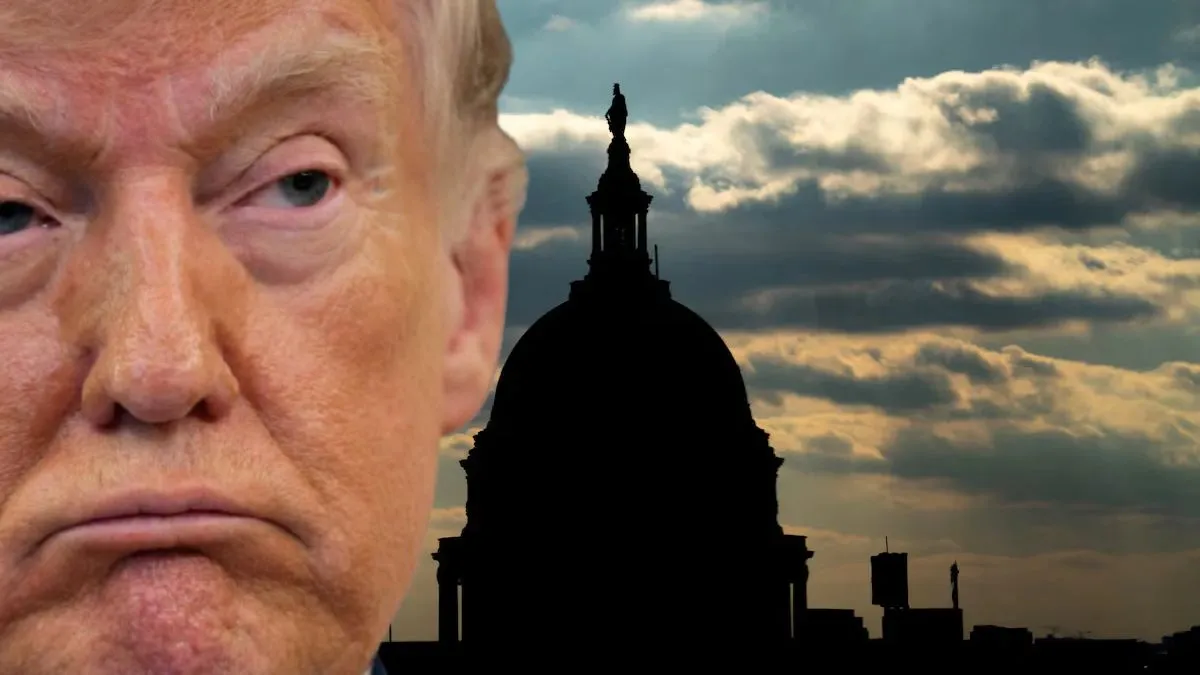
- Elections on November 3 to decide Congress control.
- Impacts Trump's legislative agenda and federal spending.
- Key issues include economy, healthcare, and immigration.
The United States will hold its midterm elections on November 3, with voters set to decide which party controls Congress for the remaining two years of President Donald Trump’s term. The outcome could significantly influence the president’s legislative agenda, federal spending and ability to implement domestic policies.
Although Trump’s name will not appear on the ballot, the elections are widely viewed as a test of his administration’s performance. Around 210 million registered voters are expected to play a role in determining the political direction of the country.
What Is At Stake In The 2026 Midterm Elections?
Voters will elect all 435 members of the House of Representatives and contest 35 of the Senate’s 100 seats. Gubernatorial elections will also take place in 36 states, alongside contests for state legislatures and local offices.
Recommended For You
Republicans currently control both chambers of Congress. Democrats need to gain three seats in the House and four in the Senate to secure majorities in both chambers.
ALSO READ: Beyond Trump: How Much Does US Congress Matter To India-America Ties
The balance of power is significant because Congress is responsible for passing federal legislation, approving government spending and conducting oversight of the executive branch. A shift in control could reshape the relationship between the White House and lawmakers.
Why the House And Senate Matter
The House of Representatives has 435 voting members, each elected for a two-year term. The entire chamber is therefore contested during every midterm election. The Senate has 100 members who serve six-year terms, with only a portion of its seats contested in each election cycle. This year, 35 Senate seats are up for election, including special elections in Florida and Ohio.
A Democratic majority in the House could give the party greater authority to investigate the Trump administration and block legislation. Control of the Senate would also allow Democrats to influence the confirmation of presidential nominees, including federal judges and senior government officials.
ALSO READ: Trump Once Slammed Early Voting, Now Casts Ballot In Florida Ahead Of November 3 Midterms
However, winning both chambers would not give Democrats complete control of the government. Trump would remain president and retain the power to veto legislation, while overriding a veto would require a two-thirds majority in both chambers.
Senate Races To Watch
Several closely contested Senate races could determine which party controls the upper chamber. In Georgia, Democratic Senator Jon Ossoff is facing Republican challenger Mike Collins. Michigan’s open Senate seat features Democrat Abdul El-Sayed against Republican Mike Rogers, while Democrat Chris Pappas is competing against Republican John Sununu in New Hampshire.
Other closely watched contests include Maine, North Carolina, Ohio, Alaska and Iowa. Texas and Kansas have also attracted attention as Democrats look for additional opportunities to gain seats.
The Senate contest is particularly important for both parties because even a narrow majority could influence legislation, judicial appointments and the administration’s broader policy agenda.
Cost Of Living, Healthcare And Immigration Among Key Issues
Economic concerns are expected to play a major role in shaping voter decisions. Rising fuel prices, housing costs and healthcare expenses have placed pressure on household budgets, making affordability a central election issue.
ALSO READ: US Midterm Elections 2026: Georgia To Ohio, Key Governor Races That Could Reshape The Political Map
Other important topics include reproductive rights, immigration and the state of American democracy. The US-Israel war on Iran and the expansion of artificial intelligence and data centres have also raised questions about national security, employment and energy costs.
What Do Polls Say About Voter Preferences?
A Pew Research Center survey conducted from September 28 to October 4 found that 44 per cent of registered voters supported the Democratic candidate in their congressional district, compared with 36 per cent backing the Republican candidate. Another 5 per cent preferred a different candidate, while 15 per cent remained undecided.
The survey also highlighted differences across demographic groups. Men were evenly divided between the two parties, with 42 per cent supporting each. Women showed greater support for Democrats, at 45 per cent, compared with 31 per cent for Republicans.
These figures reflect voter preferences at the time of the survey and do not guarantee the final election outcome.
What Happens If Republicans Lose Control Of Congress?
If Democrats win the House, they could block Republican-backed legislation and launch investigations into the Trump administration. The chamber also has the constitutional authority to initiate impeachment proceedings against a president.
A Democratic-controlled Senate could reject presidential nominees and obstruct legislation supported by the White House. It would also gain greater influence over federal judicial appointments, which can have long-term consequences because federal judges generally serve for life.
However, neither outcome would automatically allow Democrats to enact their entire policy agenda. Legislative proposals must pass both chambers, and the president retains veto powers. Senate rules also require 60 votes to end debate on most legislation, although certain budget measures can pass through procedures requiring only a simple majority.
Why The 2026 Midterms Matter
The November 3 elections will determine more than the composition of Congress. They will shape the political environment in which Trump governs during the final two years of his current term.
The results could influence federal spending, immigration policy, healthcare legislation, judicial appointments and congressional investigations. State and local elections will also determine leadership and policy priorities beyond Washington.
With control of both chambers at stake, the election will provide a significant indication of voter sentiment toward the administration while determining how much legislative power each party holds until the next presidential election.
(With inputs from Reuters)