
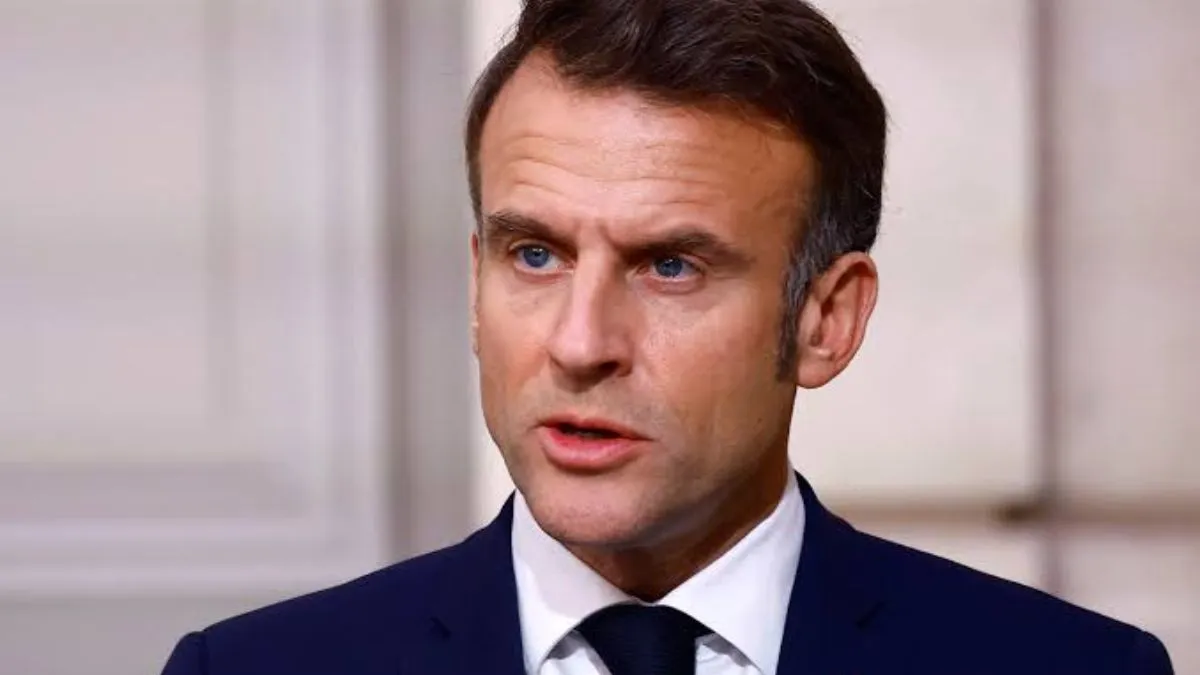
- Macron criticized foreign leaders for exploiting France's unrest.
- He slammed Trump's "Muslim city" comments as stupid.
- Warned about AI-generated images influencing public opinion.
French President Emmanuel Macron has criticised foreign leaders for blaming immigration and Islamist groups for the recent unrest in France, accusing them of exploiting the country's crisis for political gain. The remark comes as US President Donald Trump claimed that Paris could soon become a "Muslim city".
Macron described the remarks as “unacceptable and stupid” and rejected claims that France had been overwhelmed by migrants and Islamists. He also warned that artificial intelligence (AI)-generated images depicting events that never occurred in France were being circulated to influence public opinion.
The comments came after violent clashes, looting and destruction broke out in several French cities on October 17, overshadowing demonstrations over the rising cost of living, education funding and public services. The unrest has intensified pressure on Macron's government as it prepares for further protests.
Recommended For You
ALSO READ: France Protests: Indian Embassy In Paris Issues Advisory For Citizens, Asks Them To Avoid Gatherings
What Did Macron Say About Trump And Other Leaders?
Speaking to reporters in Doha, Qatar, on Wednesday, Macron accused foreign leaders of using the unrest in France to advance their own political agendas.
“There was foreign manipulation of information which led to comments that are as unacceptable as they are stupid, from many people, including foreign leaders,” Macron said.
Macron also raised concerns about the circulation of AI-generated images showing scenes that, he said, had never occurred in France.
“We’ve seen AI-generated images depicting scenes that never actually happened in France. We’ve had people claiming that we were invaded by hordes of migrants and Islamists, which is completely false,” he said.
Without naming individual leaders in his remarks, Macron said some politicians campaigning for upcoming elections were repeating misleading narratives about France to serve their own interests.
“When I see leaders who are in the middle of election campaigns, whether in the region or on the other side of the Atlantic ... they’re using our country for their own political campaigns. And we don’t need that,” he added.
What Did Donald Trump Say About The France Unrest?
Amid the ongoing protests in France, US President Donald Trump slammed French President Emmanuel Macron over his immigration policies. The US president claimed that the situation would have been better if Macron had closed the borders in the past. He also claimed that Paris could soon become a "Muslim city", adding that he had suggested the French president close the borders and tighten immigration policies.
While talking to the media, Trump stated that Macron "committed a mistake" by not closing the borders, adding that his administration "allowed everyone" to enter France. "Paris is going to be a Muslim city very soon, and that wasn't the deal...Emmanuel should've closed his borders a long time ago. I told him to do it," Trump said.
What Did Benjamin Netanyahu Say?
Israeli Prime Minister Benjamin Netanyahu has also weighed in on the unrest. He described the situation in France as an “invasion of extremist Islam”, according to French-language channel i24News.
Macron's criticism of foreign leaders appeared to extend beyond Trump, with his remarks also drawing attention to comments made by Netanyahu amid political campaigning in Israel.
The French president rejected claims that the country had been invaded by migrants and Islamists, arguing that misleading information was distorting the picture of what had happened.
What Happened During The Protests In France?
The current wave of unrest started with student protests over conditions in public high schools before growing into a wider movement against the cost of living, economic pressure and cuts to public services. The student actions began in September. Young people complained about teacher shortages, overcrowded classrooms, run-down school buildings and a lack of basic resources. The protests quickly spread to schools across the country and won support from teachers, unions and other groups.
As the marches grew, broader issues came to the surface. Many people say rising prices are affecting household budgets while public services struggle to keep up.
Anger at government spending priorities has also fuelled the protests. Demonstrators want more money put into education and essential services instead of policies they believe hit ordinary people hardest.
You May Also Like To Watch: