
- By Ajeet Kumar
- Thu, 04 Jun 2026 03:36 PM (IST)
- Source:JND
- New World Screwworm confirmed in Texas calf, impacting cattle.
- Parasite can infect warm-blooded animals and potentially humans.
- Outbreak could lead to increased beef prices and rancher challenges.
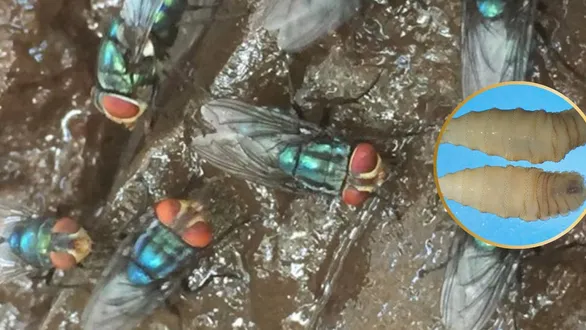
After Hantavirus and Ebola, a new World screwworm, a devastating parasite that eats cattle and other wild animals alive, has started spreading. This time, the report of the virus attack came from the US. According to a report by news agency Reuters, these viruses travelled north from Central America to Mexico before being confirmed in a Texas calf on Wednesday.
Experts stressed that creeping past biological barriers kept the pest contained for decades. Washington has halted cattle imports from Mexico for the past year, citing the spread of the insect further into Mexico.
With the US cattle herd already at a multi-decade low, the closure elevated record-high beef prices by keeping more calves out of the US supply chain. The first confirmed case in the US during the latest outbreak represents a serious challenge for ranchers and could cause beef prices to rise further.
What is New World Screwworm?
Screwworms are parasitic flies whose females lay eggs in wounds on any warm-blooded animal. Livestock and wild animals are usually the victims. Once the eggs hatch, hundreds of screwworm larvae use their sharp mouths to burrow through living flesh - feeding, enlarging the wound and eventually killing their host if left untreated.
When screwworms infect a cow, a tiny scrape, a recent brand, or a healing ear tag can quickly become a gaping wound, carpeted with wriggling maggots that put the entire herd at risk of infestation.
Screwworms were eradicated from the US in the 1960s when researchers began releasing massive numbers of sterilized male screwworm flies that mate with wild female screwworms to produce infertile eggs.
According to the Centres for Disease Control and Prevention, symptoms can include
-Feeling maggots (larvae) move or seeing maggots within a skin wound or sore, or in the ears, nose, eyes, or mouth.
- Painful skin wounds or sores that worsen within a few days.
- A foul-smelling odour from the site of the infestation.
-Bleeding from open sores.
Bacteria can also infect wounds where NWS maggots are present and may cause infection that can lead to symptoms like fever or chills.
Are humans at risk?
Screwworms will even feed on humans if they can, said Dr Timothy Goldsmith, a veterinary medicine professor at the University of Minnesota. Homeless people would be especially vulnerable to infestation because they sleep outside and have less access to hygiene products and medical care, Goldsmith said
Last year, the US Department of Agriculture announced it would invest USD 21 million to convert a fruit fly factory in Mexico to produce sterile screwworms.
ALSO READ: Ebola Outbreak Kills Over 80 In Congo: Should India Be Concerned?
Prevention of screwworm
Preventing breaks in the skin and avoiding NWS flies is key to protecting yourself in areas where the flies are present.
-Keep open wounds clean and covered, no matter how small or location on the body.
- Sleep indoors with closed windows or screened open windows. If you are outside, sleep under a bed net or inside a screened tent.
-Protect your skin and prevent insect bites by
-Using an EPA-registered insect repellent.
- Treating clothing and gear with products containing 0.5% permethrin.
- Wearing loose-fitting, long-sleeved shirts and pants, hats, and socks to limit access to your body by NWS flies and biting insects.
(With inputs from Reuters)
You may also like to watch