
- By Ajeet Kumar
- Sun, 17 May 2026 08:36 AM (IST)
- Source:JND
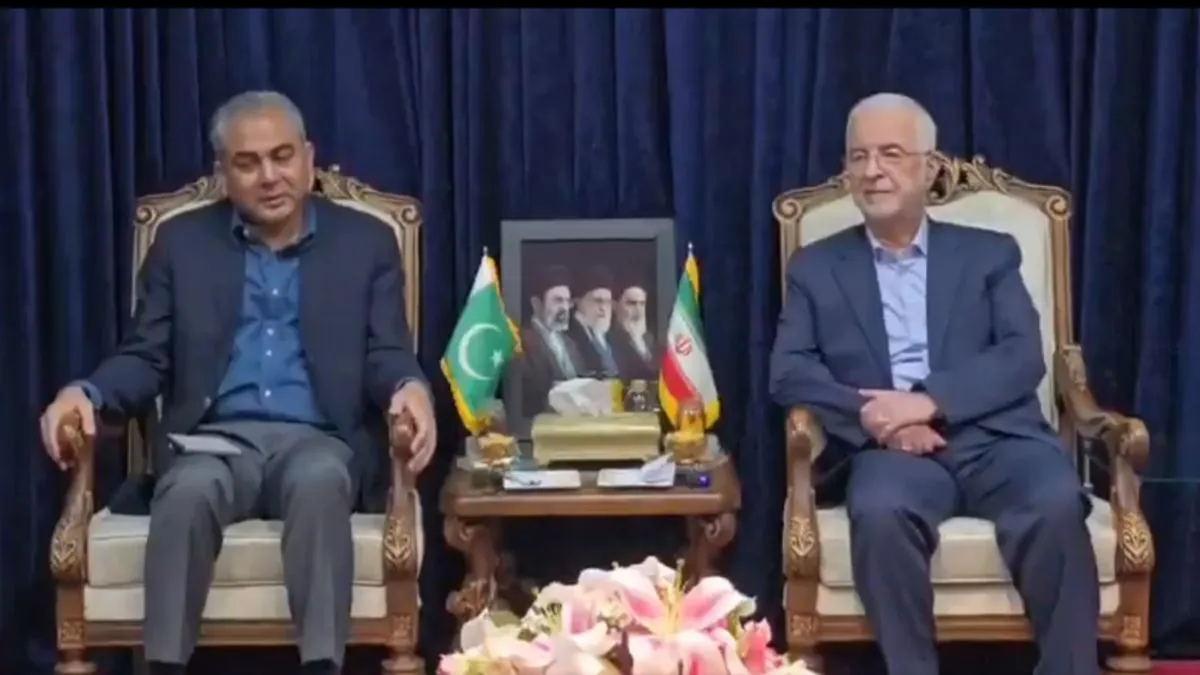
- Mohsin Naqvi visits Tehran for US-Iran peace mission.
- Pakistan aims to revive stalled US-Iran negotiations.
- Focus on interim agreement amid Strait of Hormuz tensions.
After apparently deciding that one round of diplomacy drama wasn’t enough, Pakistan’s Interior Minister Mohsin Naqvi landed in Tehran on Saturday on a fresh “peace mission”, this time hoping to facilitate stalled US-Iran talks after earlier efforts in Islamabad struggled to produce any visible breakthrough.
Pakistan has been mediating talks between Washington and Tehran amid tensions that have disrupted shipping through the Strait of Hormuz and rattled global energy markets.
Iran-US Peace talks
The first round of US-Iran talks held on April 11 and 12 failed to produce a breakthrough, prompting a flurry of diplomatic efforts by host Pakistan to cool tensions and revive hopes for another round of dialogue. However, as of now, neither side has shown interest in meeting in person in Islamabad. Now, Pakistan has been trying to revive talks again.
According to Iranian media, Naqvi arrived for a two-day visit as part of Pakistan’s “ongoing efforts to facilitate talks and promote regional peace,” a description that sounded ambitious given the fragile ceasefire and diplomatic deadlock already frustrating Washington and Tehran.
State-linked Iranian outlet Tasnim reported that the visit aims to revive momentum in negotiations that remain stuck, despite repeated signals from all sides about wanting de-escalation. Whether Tehran sees Islamabad as a game-changing mediator or simply another visitor carrying diplomatic optimism remains to be seen.
Pakistani sources told Al Arabiya that Interior Minister Mohsin Naqvi’s visit to Tehran is focused on securing a specific framework for a potential agreement between Iran and the United States.
According to the sources, Washington has sought responses to key concerns raised during the negotiations, while discussions have reportedly seen progress on issues linked to the Strait of Hormuz, a strategically vital global oil route.
The sources further indicated that both sides increasingly see an interim agreement as the most practical path forward, suggesting there may be little room for an alternative amid stalled negotiations and a fragile regional ceasefire.
With previous engagement efforts yielding more headlines than results, Pakistan now appears to be trying the classic foreign policy strategy: if at first you don’t succeed, book another flight.
Earlier last month, Pakistan Prime Minister Shehbaz Sharif and Chief of Defence Forces Field Marshal Asim Munir visited Tehran. That too did not yield any positive results.
(With inputs from agencies)
You may also like to watch