

- By Ajeet Kumar
- Mon, 22 Jun 2026 04:09 PM (IST)
- Source:JND
- Keir Starmer resigns as UK Prime Minister after Labour pressure.
- Sixth UK leader in decade to step down prematurely.
- Brexit largely fueled rapid succession of British PMs.
UK Prime Minister Keir Starmer became the sixth leader to step down before completing a five-year tenure. Starmer, who had been facing immense pressure from his own Labour Party, said in an emotional speech, “Labour no longer believes I am the right person to lead the party.” However, for Britain, this was not a new phenomenon.
Britain's political musical chair
Over the past 10 years, the country has witnessed six different leaders. Several recent prime ministers, such as Rishi Sunak, Boris Johnson, and Theresa May, failed to complete a full term. In fact, Liz Truss held the post for only 50 days.
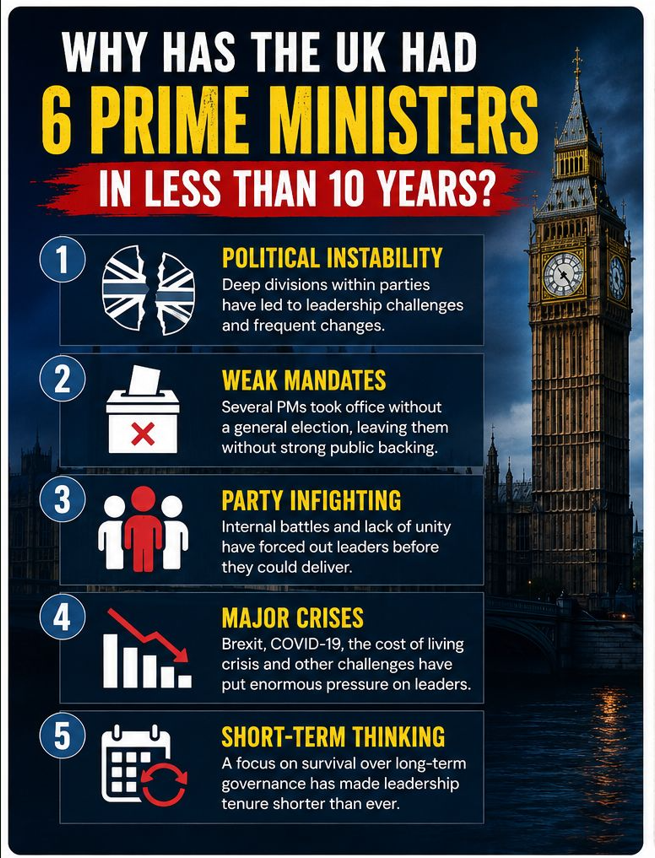
Historically, this was not always the case. In the past, prominent leaders like Winston Churchill, Margaret Thatcher, and Tony Blair lived at Downing Street for many years. However, over the last decade, British leadership has changed in rapid succession.
How a Prime Minister is chosen in UK
Like India, voters do not vote directly for the prime minister in the UK. Instead, they vote for local Members of Parliament (MPs). The leader of the political party that wins the most seats in Parliament usually becomes the prime minister.
A political party can replace its leader at any time if its members lose confidence in them. If a prime minister resigns or is forced out, their party stays in power and chooses a new leader without a full national election. National general elections must happen at least every five years, but the government can call one earlier.
Brexit: A turning point in UK politics
This rapid change of leaders largely started with “Brexit” in 2016, when British voters decided to leave the European Union (EU). Prime Minister David Cameron campaigned to stay in the EU, so he resigned when the vote passed. Brexit deeply divided the country and changed British politics. Since then, the country has witnessed massive economic blows. Experts often opine the step was among the most serious blunders in the history of the UK.
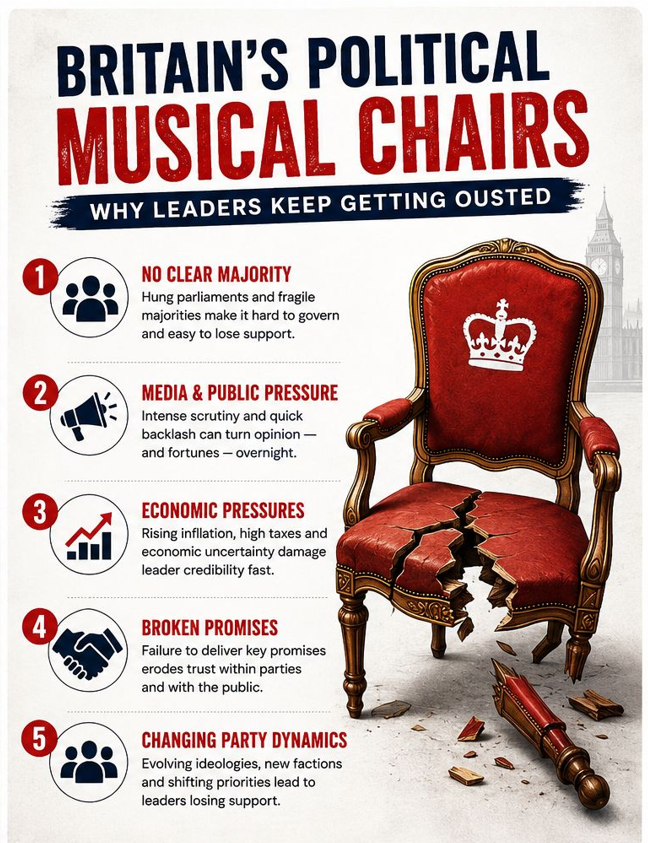
UK PM who had short tenures
After Cameron, a series of Conservative prime ministers struggled to manage the country:
Theresa May: She stepped down in 2019 because she could not get Parliament to agree on a Brexit plan.
Boris Johnson: He won a major election but was forced to resign in 2022 after breaking his own COVID-19 lockdown rules.
Liz Truss: Served for just 50 days. Her tenure was the shortest time in British history after her economic plans caused financial panic in the country.
Rishi Sunak: Indian-origin leader governed for about two years but struggled to fix a severe cost-of-living crisis.
The fall of labour leader
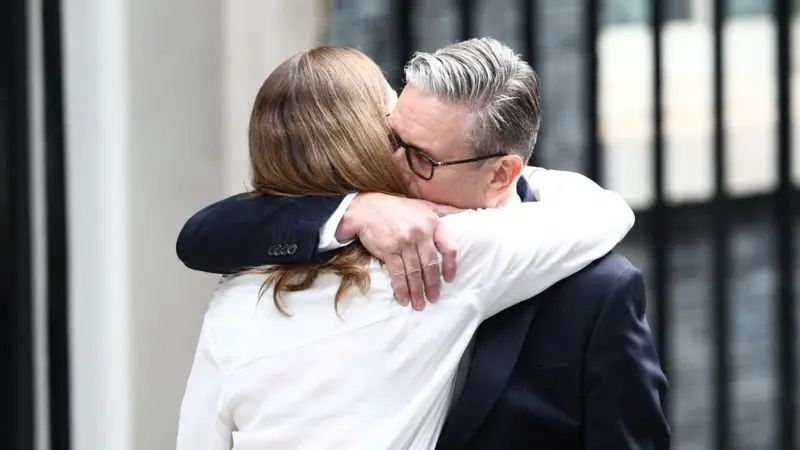
(Keir starmer with his wife after announcing his resignation | CREDIT: REUTERS)
In July 2024, voters chose a change, and the opposition Labour Party won a landslide election. Keir Starmer became the new prime minister. However, less than two years later, his government has faced severe pressure and political scandals, threatening his position as leader. Amid a series of wild experiences and rebellion inside the Labour Party, Starmer announced his resignation today. Now, the country will witness its seventh PM, with chances of Andy Burnham are high.
(With inputs from agency)