
- By Raju Kumar
- Mon, 20 Apr 2026 09:35 PM (IST)
- Source:JND
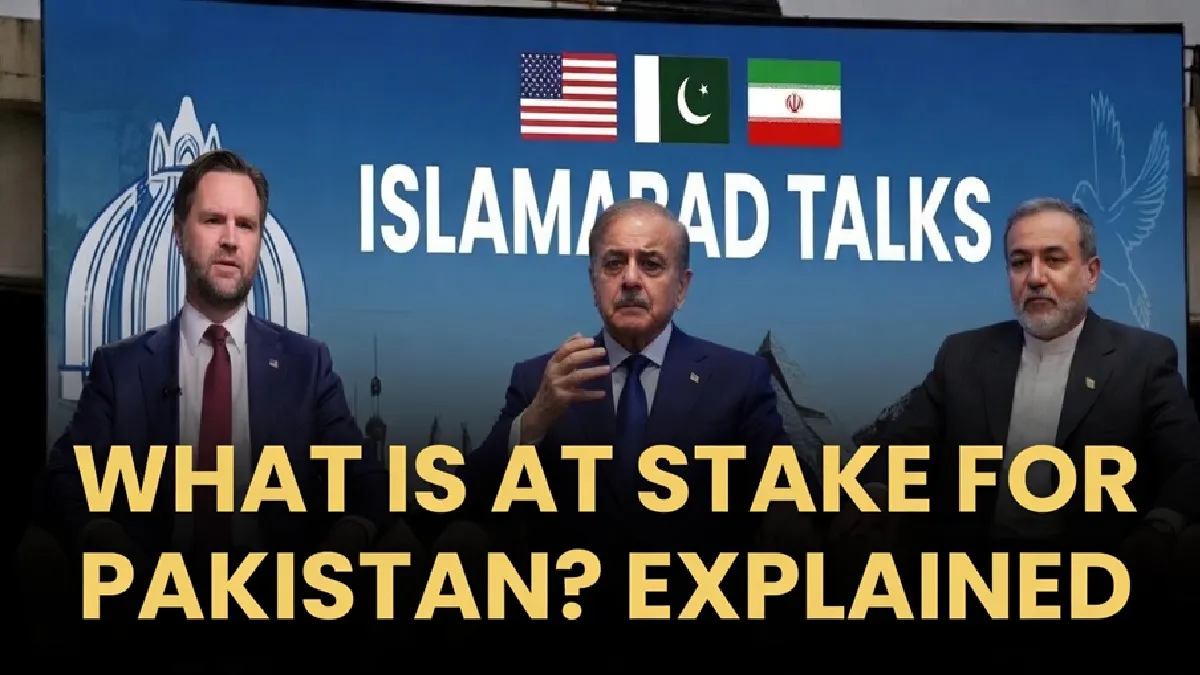
Islamabad US-Iran Talks 2.0: All eyes are on Islamabad as the stage is set for the second round of peace talks between the warring sides - the US and Iran. US President Donald Trump confirmed the participation of Vice President JD Vance-led US delegation. Notably, he went one step ahead, saying that he is willing to have direct talks with Iranian leaders. However, Pakistan's initiative to hold the second round of peace talks looks like a fiasco in the making as Iran has not yet confirmed its participation. In fact, it rejected the reports that it would attend the talks a few hours ago.
The US and Iran held rare direct talks in Pakistan on April 11 and 12 in Islamabad aimed at ending their conflict, but the talks concluded without any agreement.
Iran's Stand Casts A Cloud Over Islamabad Talks 2.0
Iran has deepened the suspense over its participation. Tehran said the US' 'excessive demands' and 'ceasefire breach' blocked the peace process.
Al Jazeera reported, citing the IRNA news agency, which criticised what it described as "Washington's excessive demands, unrealistic expectations, constant shifts in stance, repeated contradictions, and the ongoing naval blockade, which it considers a breach of the ceasefire".
What Is Way Out For Pakistan?
Pakistan, which is allegedly following Trump's script, is doing an optic deplomatic activism. It laid a red carpet for the US delegation without confirmation from the other side. However, Pakistan Prime Minister Shehbaz Sharif held a telephone conversation with Iranian President Masoud Pezeshkian on Sunday.
Quiz
On Sunday, Pakistan's Deputy Prime Minister Ishaq Dar spoke with Iranian Foreign Minister Abbas Araghchi over the telephone and discussed the current situation in the region. Both leaders agreed to remain in close contact and also concurred on a phone call between the Iranian President and the Pakistani Prime Minister later Sunday.
What Is At Stake For Pakistan?
After the failed first round of talks, Pakistan re-launched its diplomatic efforts to facilitate another round of talks for a possible agreement to end the war, which created global fuel havoc. Starting April 15, Prime Minister Sharif visited Saudi Arabia, Qatar and Turkiye, while Chief of Defence Forces Field Marshal Asim Munir spent three days in Iran to create a consensus on contentious issues.
It is apparent that Pakistan is making efforts, but it is its own interest which is a driving force in the entire initiatives. Pakistan's fragile economy cannot bear another round of fuel price hike. Recent crude oil price hikes created an emergency-like situation across Pakistan. The resumption of war means a scarcity of fuel in Pakistan, which it cannot afford at all. Another factor is its image in the Gulf countries. Pakistan claims to be a key ally of the crude oil-exporting countries, and it has already taken huge loans from them, including Qatar and Saudi Arabia. If the crisis continues, these nations may demand their money back. The story is the same with the US as well. America holds significant influence over the IMF (International Monetary Fund) and the World Bank, which are the big source of debt for Pakistan's economy, upon which it survives. Also Pakistan shares over 900 km border with Iran. Any escalation could destabilise Balochistan and trigger refugee crises or militancy in Pakistan. The Shehbaz government boasts beyond its capacity. Now, it looks like it is trapped, because on the domestic front, the Sharif government is also facing criticism for not supporting a Muslim nation, Iran.
(With Agencies inputs)