
- By Shubham Bajpai
- Mon, 09 Mar 2026 11:01 PM (IST)
- Source:JND
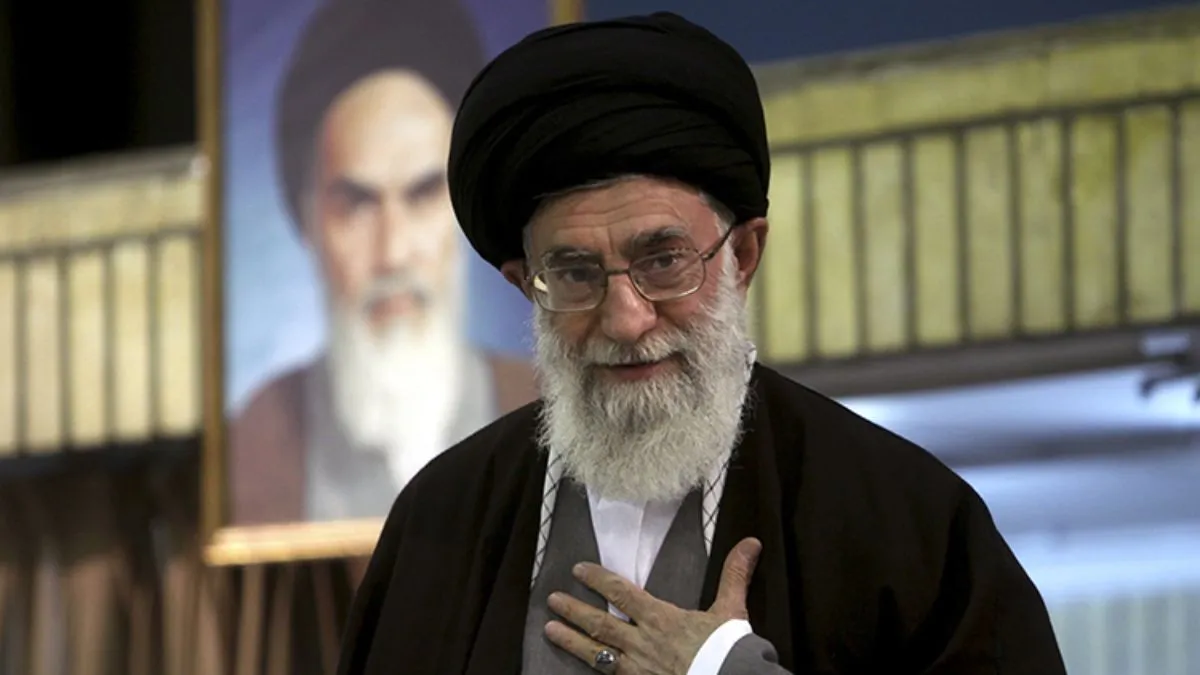
The United States has intercepted an encrypted message which is considered as an "operational trigger" by Iran to activate sleeper cells abroad after its earlier Supreme Leader Ayatollah Ali Khamenei was killed in joint US-Israel strikes on February 28.
According to an ABC News report, citing a federal alert sent to law enforcement agencies, the coded message was sent out after Khamenei was killed and appeared to carry instructions for "covert operatives or sleeper assets".
The alert warned that the signal could "be intended to activate or provide instructions to prepositioned sleeper assets operating outside the originating country".
In its warning to the law enforcement agencies, the US has said that the intelligence had detected a broadcast station that has been repeatedly transmitting a message to multiple countries outside Iran.
ALSO READ: ‘One Phone Call’: Former UAE Envoy Says PM Modi Could End Iran-Israel Conflict
"While the exact contents of these transmissions cannot currently be determined, the sudden appearance of a new station with international rebroadcast characteristics warrants heightened situational awareness," the federal memo said.
As a precautionary measure, the memo has asked law enforcement to increase monitoring of suspicious radio frequencies.
The report suggested that the intercepted transmission was encrypted and seemed to be sent for "clandestine recipients" with the encryption key to read the signal.
The message, without the use of the internet or cellular networks, was intended to impart instructions to "covert operatives or sleeper assets."
The federal alert is alarming; there was "no operational threat tied to a specific location," based on the signal. On February 28, the United States and Israel launched joint strikes against Iran, under what the Pentagon named 'Operation Epic Fury'.
Khamenei's death dealt a big blow to Tehran, which launched retaliatory strikes, not just against Israel or US bases in the Middle East, but also targeted key infrastructure in the UAE, Qatar, Oman, Kuwait, Saudi Arabia, and Iraq.
The latest confrontation led to an escalatory spiral that opened the widest conflict theatre in the Middle East in the last few decades.