
- By Akansha Pandey
- Thu, 09 Apr 2026 08:49 PM (IST)
- Source:JND
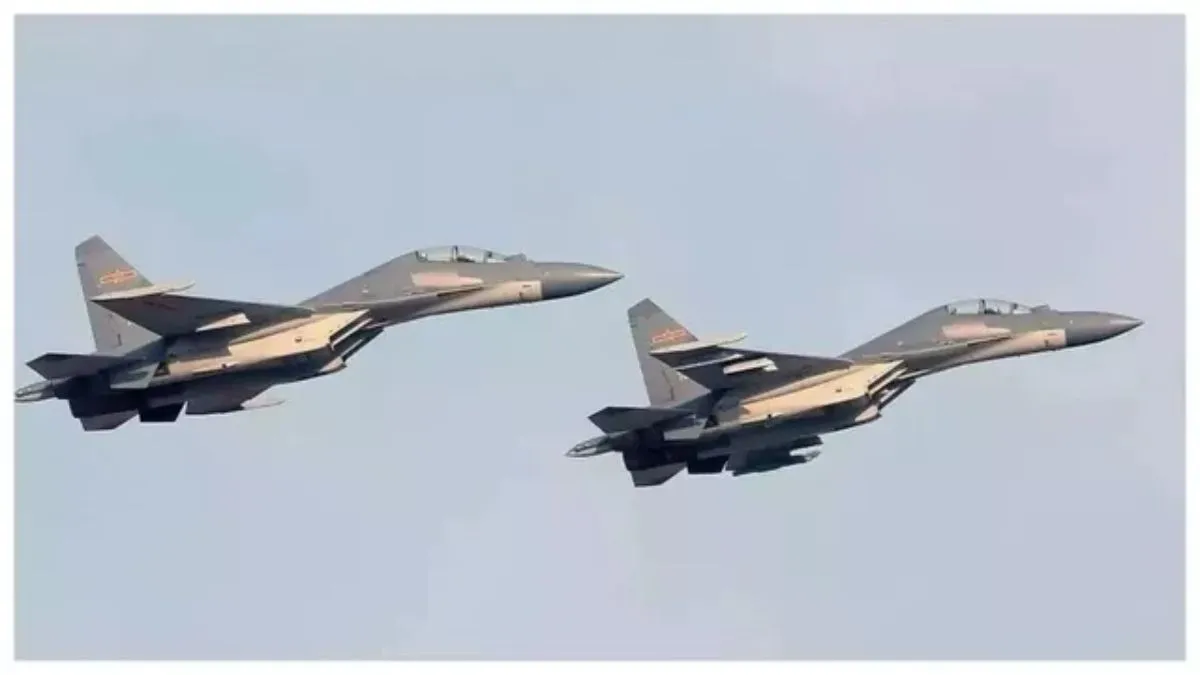
In a sudden and highly unusual move, China has closed a vast portion of its airspace near Shanghai to civil aviation for a period of 40 days. According to a Notice to Airmen (NOTAM) highlighted by the US Federal Aviation Administration (FAA), the restriction was implemented without an official explanation, sparking intense speculation regarding undisclosed military activities.
The ban, which took effect on March 27, is scheduled to remain in place until May 6. Experts find the lack of transparency, the scale of the closure, and its duration to be exceptionally rare.
Over 73,000 Square Kilometers Affected
The restricted zone covers a staggering 73,000 square kilometers, nearly twice the size of Taiwan's main island. This area spans across the Yellow Sea and the East China Sea, specifically:
- Two zones located in the Yellow Sea.
- Three zones extending into the East China Sea between China and Japan.
While a narrow 100-kilometer air corridor remains open for flights to Shanghai from the Yellow Sea side, the rest of the area is off-limits to commercial traffic. Notably, these restrictions apply to civil aircraft but do not explicitly bar military jets, helicopters, or drones.
Unannounced Military Drills Or Missile Tests?
While NOTAMs are typically issued for events like scheduled military exercises, fires or natural disasters, this instance is different. No military maneuvers have been formally announced, and unlike standard notices, no maximum altitude limits were set, suggesting a total reservation of the space.
Expert Insights:
Benjamin Blandin (Maritime Security Expert): Told AFP that a restriction of this nature serves almost no purpose other than military operations, potentially involving missile tests or aerial combat drills.
Xavier Tytelman (Aviation Consultant): Noted that the absence of altitude limits is "outside the norm," implying the government is reserving the entire vertical space for its exclusive use.
Strategic Concerns And Regional Tensions
Taiwan's Institute for National Defense and Security Research (INDSR) has expressed deep concern, noting that such extensive bans are usually announced months in advance to allow commercial flights to plan routes above the restricted altitude.
Political Implications
US Engagement: A senior Taiwanese security official suggested China might be exploiting US focus on the Middle East conflict to intensify its presence and "harassment" in the Indo-Pacific.
"Salami Slicing" Strategy: Analysts believe this is part of a long-term "access denial" strategy, where China gradually encroaches upon the maritime and land borders of its neighbors, a tactic often referred to as "salami slicing."
While the immediate impact on commercial flight schedules remains manageable, the move has significantly heightened anxiety in Japan, South Korea and the United States, further straining regional stability.