
- By Ajeet Kumar
- Tue, 17 Mar 2026 02:54 PM (IST)
- Source:JND
- Jet fuel prices doubled, causing widespread flight disruptions.
- Crude oil surge leads to higher gas and LPG costs.
- Increased shipping costs drive up grocery bills globally.
It's been three weeks since the US and Israel jointly launched a massive attack on Iran, with an aim of toppling the "hard-liner" regime and preventing Tehran from acquiring nuclear weapons-- a claim which has been contested by the Iranian authorities multiple times. In fact, US intelligence reports have claimed the US administration hasn’t found any evidence to back their nuclear assertions, but the price of the ongoing conflict has ravaged the lives of almost every citizen in the world.
People far from the battlefield are already suffering through higher travel costs, fuel bills, and creeping inflation. The pain is real and spreading fast.
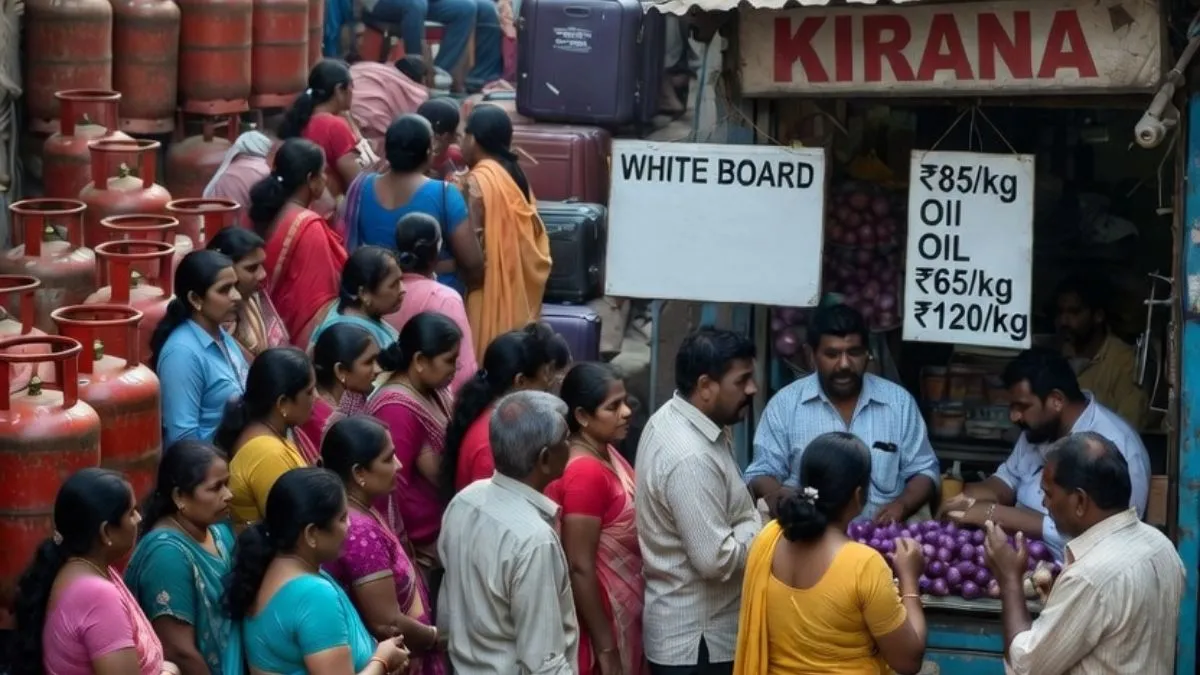
The war is not limited to only the sky-travelling sector, facing the disruption, but this time the impact has reached almost every household in the Asian countries, which are primarily dependent on energy import. For Indians, from booking cooking gas to actually delivering it to their doorsteps has become a difficult task. Although the government has clarified that there is no shortage of LPG cylinders, desperate citizens flocked to gas stations to collect their deliveries.
How everyday people are already feeling it-- from flights and fuel to groceries, bills, and more.
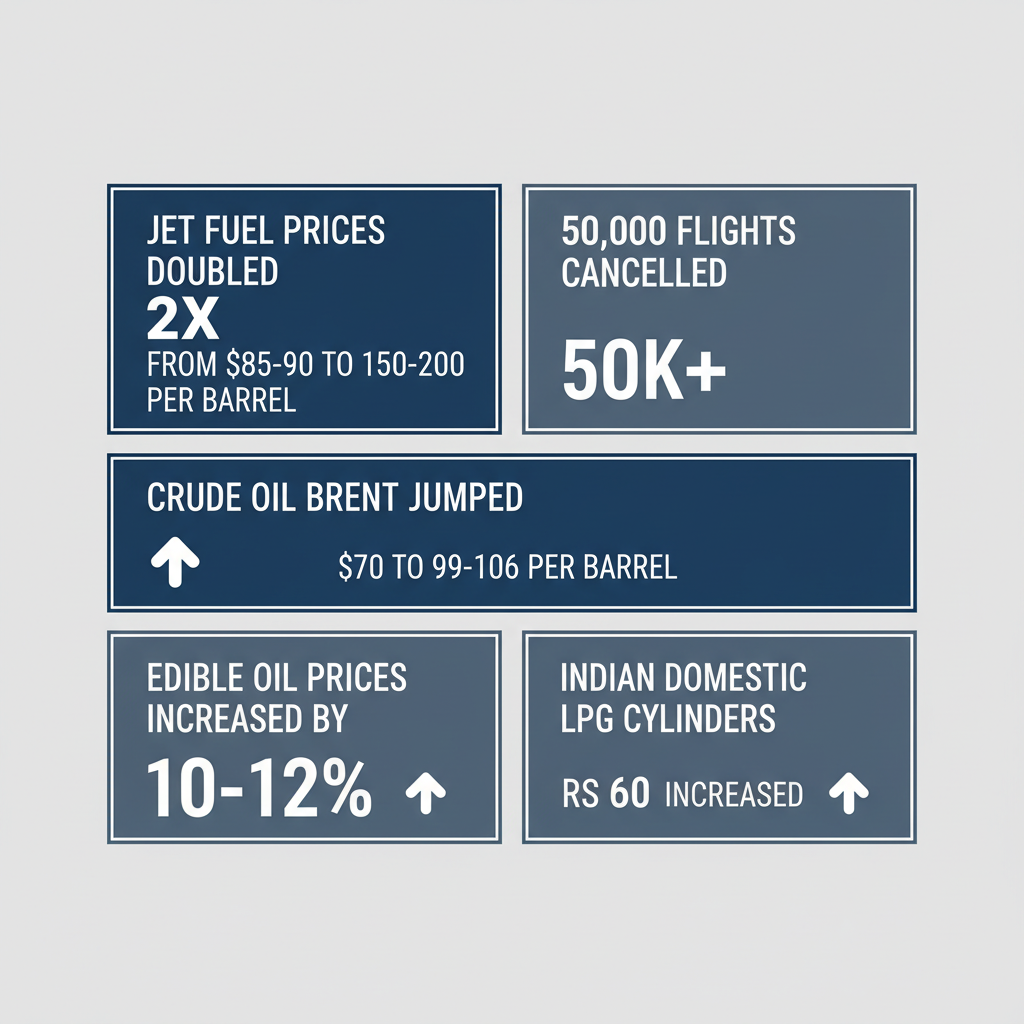
Flight disruptions: Jet fuel prices have roughly doubled from nearly USD 85–90 per barrel before the war to USD 150–200 in many places. Airlines are passing these costs on quickly. Nearly 50,000 flights have been cancelled since late February, mostly in the Gulf region, with airspace closures in the UAE and Qatar, forcing long reroutes.
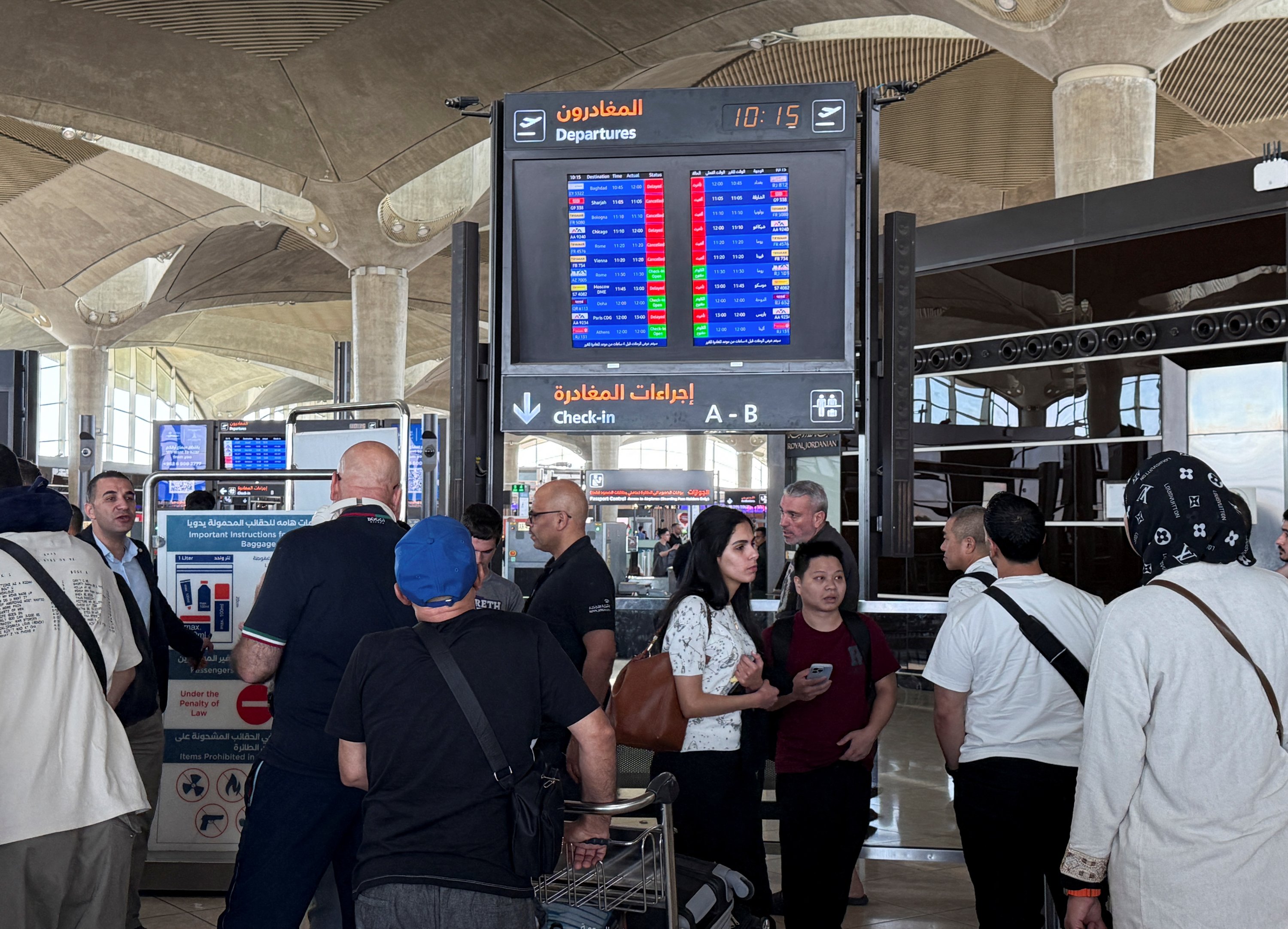
(CREDIT: REUTERS)
Gas and oil costs: Crude oil, Brent, jumped from nearly USD 70 per barrel pre-war to peaks above USD 110–120, now hovering around USD 99–106. In India, the government has increased the cost of domestic cylinders by Rs 60. It has promised not to increase the prices of diesel and petrol until the crude prices reach USD 130, but it would be a tight rope for the government too to manage the volatility if the Iran war stretches for longer.
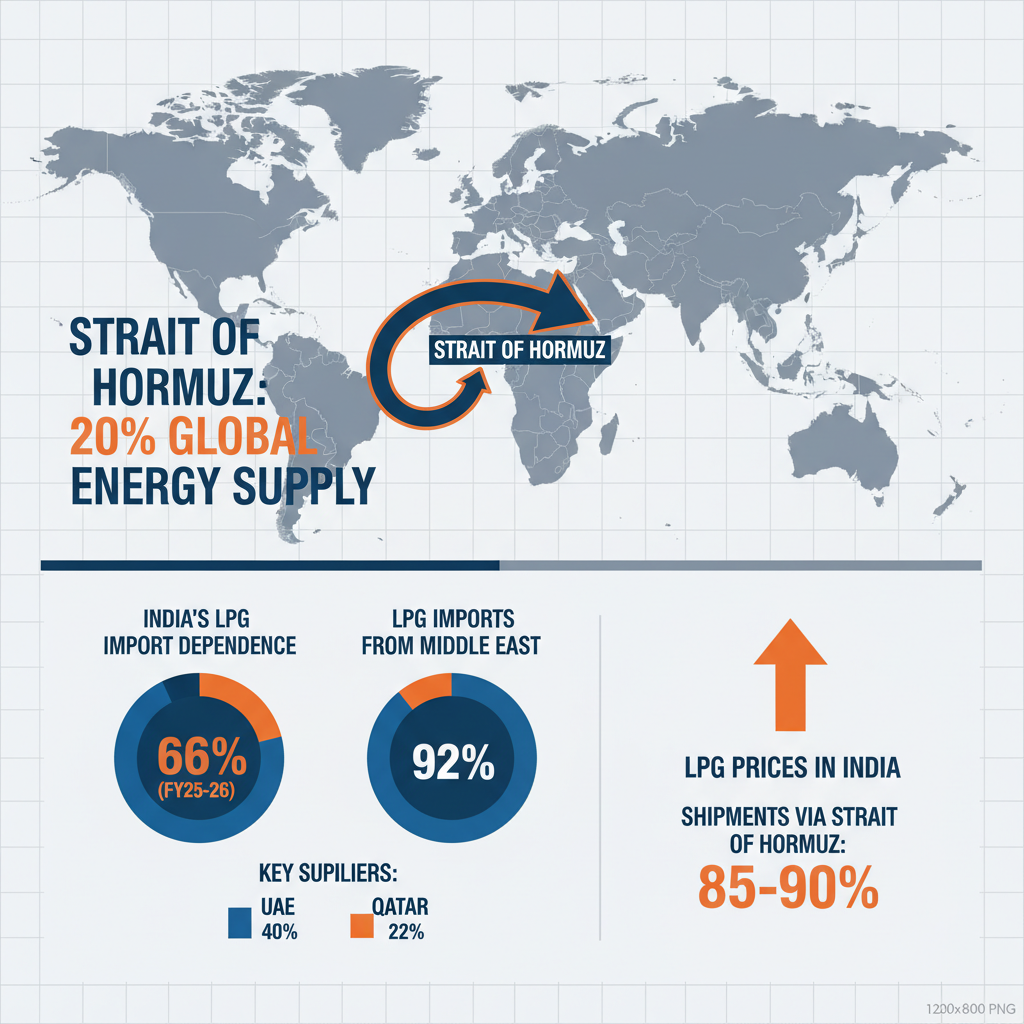
(India's LPG supply)
Grocery bills increased: Higher fuel and insurance costs for ships have driven up global container rates. Edible oil prices have already increased by 10-12 per cent in the past two weeks. Goods from Asia and the Middle East, such as electronics, clothes, toys, and car parts, are getting more expensive to import.
ALSO READ: LPG Cylinder Shortage: How India Can Avoid Future Fuel Crisis?
Stock markets and savings: Global stocks dropped after the first strikes; retirement accounts and investments took a hit for millions of people.
Tourism and jobs: Hotels, cruises, and local travel businesses in the Gulf and beyond are losing revenue. Some airlines and related industries are already cutting routes or staff.