
- By Kamakshi Bishnoi
- Mon, 01 Jun 2026 05:53 PM (IST)
- Source:JND
- Iran restored 50 of 69 damaged missile tunnel entrances.
- Retains long-range missile attack capability despite strikes.
- Underground bases offer strong protection for missile stock.
Iran has reportedly recovered access to much of its underground missile infrastructure and could be in a position to launch long-range missiles at Israel and other countries in the Middle East if hostilities resume.
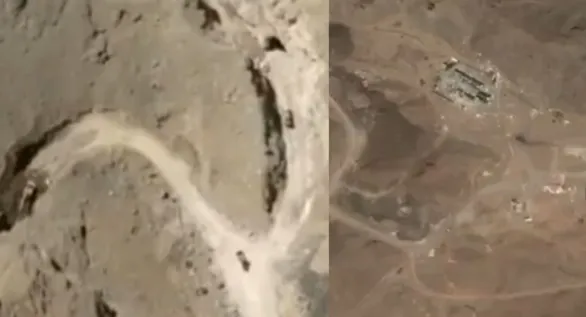
Satellite imagery analysed by CNN shows that despite weeks of US and Israeli strikes targeting roads and tunnel entrances leading to missile bases, Iran has managed to restore many of these sites using basic equipment such as bulldozers and dump trucks. Reports indicate that around 50 of the 69 tunnel entrances damaged during attacks on 18 underground missile facilities have already been reopened.
Iran is poised to fire far more long-range missiles at Israel and other Middle Eastern nations after rapidly digging out its buried arsenals – an effort that highlights the limits to US bombing strategy, experts said. https://t.co/Rny1xTfFKl pic.twitter.com/STJFMe6L2O
— CNN (@CNN) May 31, 2026
ALSO READ: India, Australia Advance Defense Ties; Pledge Deeper Interoperability And Quad Cooperation
Destroying Iran's Missile Network Remains Difficult
Experts say the developments demonstrate that Iran's missile capabilities cannot be eliminated simply by blocking tunnel entrances. Although Iran and the United States have reportedly reached a tentative understanding regarding the Strait of Hormuz, significant work remains before any agreement is finalised.
“Iran is in a position to continue launching missiles so long as they have launchers and crews, even if production has halted," said Sam Lair, a research associate at the James Martin Centre for Nonproliferation Studies, who analyses Iran's missile capabilities.
He added, "There's nothing to prevent the launchers from being armed with the ample stockpile of missiles that the Iranians still have."
Iran Continues Excavation And Restoration Efforts
During the conflict, Iranian teams worked under constant threat to clear blocked tunnel entrances, while US and Israeli forces repeatedly targeted excavation equipment. Despite these challenges, Tehran continued launching missiles throughout the war, though at a much slower rate. Since the ceasefire more than seven weeks ago, efforts to restore the facilities have accelerated significantly.
According to CNN's analysis, Iran has now reopened 50 of the 69 tunnel entrances struck during attacks on its underground missile network. The country has also repaired roads and infrastructure damaged during the campaign. Satellite images show that most bomb craters have been filled, while some damaged roads have been fully rebuilt.
Underground Bases Provide Strong Protection
Iran has been constructing its web of underground missile bases for about 20 years. Deep beneath mountains and rocks hundreds of metres down, the underground bases make the missiles and their launchers invisible from the air, which observers have said is likely to be the main reason why air raids by the US and Israel only damaged tunnel entrances and surface-level facilities, not their missile stock.
They believe Iran still has about 1,000 missiles in underground bases. Being buried underground with many metres of rock and soil on top of them, they say most, if not all, the Iranian missiles have survived months of attacks. Past bombardments on tunnel entrances have already failed to inflict too much damage on the missiles buried deep within facilities.
As Iran continues to reopen tunnels and repair their launch structures, experts warn that the extent of its missile arsenal may not be fully recognised and that the future sustainability of missile defences is under serious doubt. This concern comes after reports of depleting missile interceptors in the region. Although the US and Israel have managed to disrupt their network for the time being, Iran's quick recovery demonstrates a real struggle in disabling Iran's subterranean missile network.
You May Also Like To Watch: