
- By Raju Kumar
- Sat, 14 Mar 2026 12:50 PM (IST)
- Source:JND
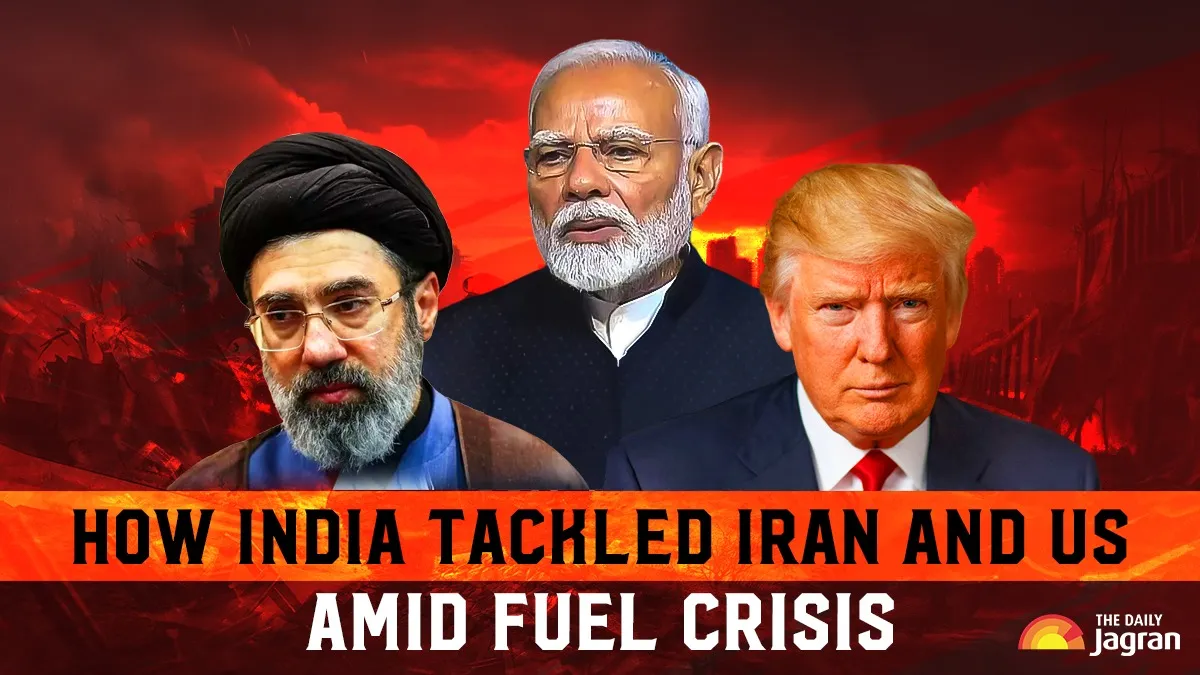
Fuel Crisis: India is set to get major relief amid the ongoing fuel crisis as Iran has assured New Delhi that it will allow Indian-flagged tankers to transit through the Strait of Hormuz, a conduit for 40% of the South Asian nation's crude imports. A crude oil tanker carrying Saudi Arabian oil is expected to arrive in India on Saturday after successfully transiting the Strait of Hormuz, marking a big diplomatic victory for India. Also, one of the 28 Indian-flagged vessels stranded in the Strait of Hormuz during the ongoing hostilities in the region has since sailed away safely. The development came after India brought some changes in its strategies to deal with three allies - the US, Israel and Iran - who are engaged in the war. Initially, it looks like India tilts its policies towards Western powers amid a trade tariff row, but now it has resorted to a balanced approach to get the passage of Indian-flagged tankers and ensure the safety of Indian sailors on stuck ships.
Why India Resorted To A 'Balanced Approach'
Relations with the United States, Israel, and Iran are strategically important for India as New Delhi shares trade and cultural ties with them. India's dilemma was that all Gulf countries, including Iran and the US, are its friends, and the lives of millions of Indians and fuel trade could have been endangered had New Delhi taken sides with any of the warring sides.
How India Approached The Middle East War
India reiterates that New Delhi holds an independent foreign policy, asserting a diplomatic solution to the ongoing Middle East crisis. India avoided any statement or action that may reflect supporting any of the warring sides. Prime Minister Narendra Modi spoke to Israeli counterpart Benjamin Netanyahu on March 2, 2026, expressing concerns over civilian safety and urging an early end to hostilities. He also held a telephonic conversation with Iranian President Masoud Pezeshkian and expressed India's concern.
ALSO READ: Trump Says US Bombed Kharg Island Amid Middle East Conflict; Why Is It Called Iran's 'Crown Jewel'?
How India Tackled US-Israel
Initially, India refrained from reacting to the US-Israel aggression against Iran, resorting to a 'wait and watch' strategy. India's official response, primarily through the Ministry of External Affairs, has been measured and neutral, expressing "deep concern" over developments in the Middle East. It was New Delhi's back-channel diplomacy that earned a 30-day waiver from the US sanctions over Russian oil, which provided much-needed relief to India. Foreign Minister S Jaishankar remained in touch with his Israeli and American counterparts over the safety of around one crore people and fuel supply.
How India Dealt With Iran
After initial hiccups, India officially condoled the death of Iranian Supreme Leader Ayatollah Ali Khamenei on March 5, 2026, 6 days after his death, following his killing in a joint US-Israeli strike on February 28. Foreign Secretary Vikram Misri signed the condolence book at the Iranian Embassy in New Delhi, signalling India's moral support for the people of Iran. PM Modi and Foreign Minister S Jaishankar spoke to the Iranian leadership, displaying New Delhi's 'neutrality' towards the war. As India cleared its stand, citing deep ties with Iran, Tehran too showed the same warmth, reportedly ensuring the safety of Indian ships in the Strait of Hormuz.
India's Strategy With Other US Allies
PM Modi resorted to high-level diplomatic outreach, speaking with leaders from eight countries - Oman, Qatar, Kuwait, UAE, Saudi Arabia, Jordan, Bahrain, and Israel - within 48 hours after the war began in the Middle East region. Around one crore Indians live in the Gulf countries, and their safety was the first concern of PM Modi. New Delhi also urged oil trade partners to continue their exports to avoid a fuel shortage in India.
(With Agencies inputs)